PHOTO
At his inauguration ceremony at the Kololo Ceremonial Grounds on Tuesday, President Yoweri Kaguta Museveni set out an ambitious economic vision centred on wealth creation, industrialisation, and a new era of 'no more sleep' for Ugandans.
Addressing regional leaders, government officials and thousands of supporters who had gathered at the grounds or were watching on television, Museveni said that Uganda had entered a decisive phase in which citizens must take advantage of peace, infrastructure and government programmes to create wealth and jobs. He said that the foundations laid by the ruling National Resistance Movement (NRM) since 1986 had transformed the country and opened up opportunities for economic growth.
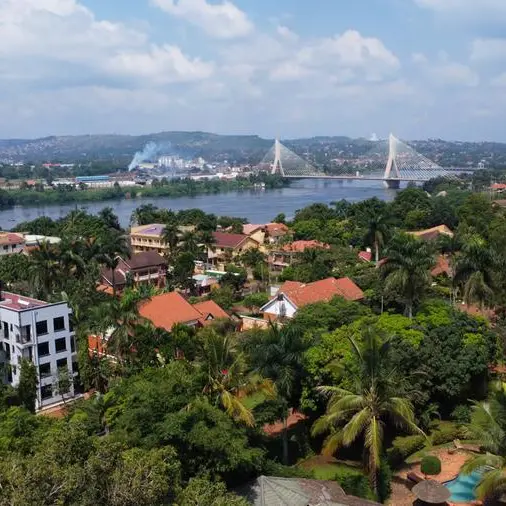
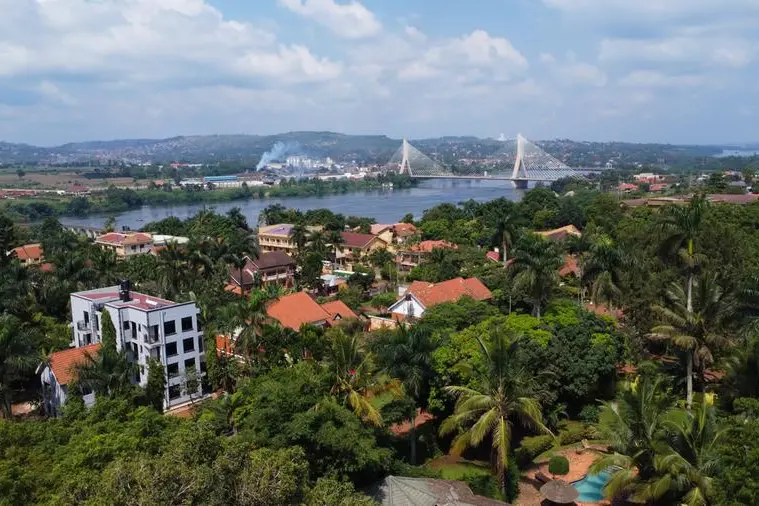
Using a screen, the President showed the expansion of real estate around Kampala and Entebbe as evidence of economic progress under the NRM government, contrasting Uganda’s current urban landscape with that of 1986. He credited this transformation to sustained peace, infrastructure development, and improved service delivery.
Museveni listed what he described as the ‘matafaari’, or building blocks, that the NRM had added to Uganda over the last four decades. These included national peace, roads, electricity, piped water, schools, health facilities, telecommunications, and access to regional markets through blocs such as the East African Community, COMESA, and the African Continental Free Trade Area. Mr Museveni said that he wants to establish a political federation within the East African regional bloc, citing the success of the US as being partly due to its large internal market.
The previous day, Uganda and the Democratic Republic of Congo (DRC) had discussed plans to eliminate visa requirements for their citizens and deepen cooperation in trade and infrastructure, following talks between Presidents Yoweri Museveni and Félix Tshisekedi at State House Entebbe. The two leaders said they directed officials to accelerate discussions aimed at scrapping visa requirements between the two countries within the next three months, which will further open DRC to Ugandan products. The trade between the two countries now stand at $1 billion, largely driven by Uganda's manufactured goods and infrastructure projects, making DRC Uganda's largest export market in the region.
According to Museveni, Uganda’s 40 million acres of arable land could generate millions of jobs if used for intensive commercial agriculture. He added that Uganda’s economy was gradually shifting from subsistence to commercial participation, noting that households participating in the money economy had increased from 32 percent in 2013 to 67 percent today through interventions such as Operation Wealth Creation and the Parish Development Model.
He used the occasion to criticise African countries for exporting raw materials instead of processed products, describing the practice as a “strategic blunder” that denies the continent jobs and revenue. Using gold exports as an example, he argued that refining minerals locally would dramatically increase earnings and stimulate industrial growth.
As Mr Museveni begins another five-year term at the helm of Uganda, he faces a mountain of issues that he has tried to address with little or no success in the last 40 years. The country, with a very young population, standing at nearly 80 per cent according to the 2024 population census, is struggling to balance the economic transformation plans with mounting expectations of jobs and service delivery.
Many of the young people who had been mobilised to attend the event at Kololo were full of hope and expectation. They said that they hoped the president would focus on fighting corruption, a vice that costs the country more than $3 billion every year. As he has always said, the president promised to fight corruption in this new term.
It has been 20 years since commercial oil was first discovered in western Uganda's Albertine region, raising hopes of an economic boom for the country. With billions of dollars already invested in the sector, the government is under pressure to ensure that the oil and gas industry creates jobs and improves infrastructure, providing broader economic benefits for ordinary Ugandans.
Energy Minister Ruth Nankabirwa recently said government remains focused on ensuring production begins as soon as possible.“We are now in the final stages of preparing for first oil,” she said.
“The infrastructure is progressing well and Uganda is determined to become a key energy player in the region.”The first oil was expected at the beginning of July 2026, in just about six weeks, but officials point to about October with none committal on the exact time.
Mr Museveni says once the oil comes, it will bring in the money.“Our first oil is not just about exporting crude,” Museveni said at a recent energy sector meeting in Kampala. “It is about using our resources to transform Uganda from a peasant society into a modern and prosperous economy.”Away from oil, Uganda’s economy has shown resilience in recent years, but youth unemployment, rising public debt and the high cost of living remain major concerns.
Analysts say that inasmuch as Museveni intensifies his long-standing push for wealth creation programmes targeting households, including the Parish Development Model, Emyooga and commercial agriculture initiatives, the real challenge lies in implementation, accountability and ensuring that funds reach intended beneficiaries.
The government is also under pressure to complete major projects, including the Standard Gauge Railway, road networks, electricity expansion and industrial parks aimed at boosting regional trade and manufacturing competitiveness. Uganda’s road network has expanded significantly over the last four decades, but the country still faces a major gap between the roads it has and the roads needed to support trade, urbanisation, agriculture and a fast-growing population.
Having been in power for 40 years and now taking the mantle for the next five years, Mr Museveni faces the daunting task of political reconciliation, governance reforms and managing succession questions within the ruling National Resistance Movement, where debate continues over the party’s future leadership and generational transition. While the President has consistently dismissed speculation over retirement, political observers say that the issue is likely to be more prominent in this term. How he reacts to the continued speculation over his son, Gen Muhoozi Kainerugaba, succeeding him will determine the country’s political transition.
In his speech, he paid glowing tribute to public service delivery, but hospitals continue to face shortages of medicines and personnel, while schools are struggling with overcrowding and inadequate funding despite gains under Universal Primary and Secondary Education programmes.
For many Ugandans, the expectations are simple: jobs, stable incomes, better roads, reliable electricity, quality healthcare and improved governance. If Museveni’s new term delivers on those expectations, it will shape not only his legacy but also Uganda’s political and economic direction for years to come.
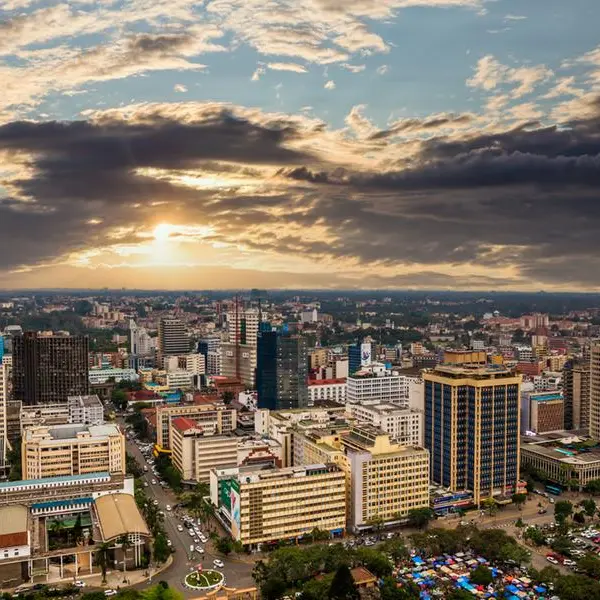
Diplomatic headacheMr. Museveni’s inauguration coincided with the Africa Forward Summit taking place in Nairobi, Kenya. The summit, co-hosted by the governments of Kenya and France, drew more than 30 heads of state and government, over 1,500 business leaders, financiers, innovators and civil society representatives.
As the first France-Africa summit to be hosted in an English-speaking African country since the inaugural gathering in 1973, the event left several leaders balancing between attending Museveni’s inauguration and participating in the Nairobi summit. Some leaders, including DR Congo’s Felix Tshisekedi and Burundi’s Évariste Ndayishimiye, departed the inauguration before its conclusion to travel to Nairobi.
Despite a guest list of more than 40 invited leaders, there were some who were always expected to attend Museveni’s swearing-in regardless of other commitments in Nairobi. For South Sudan’s Salva Kiir Mayardit, Museveni remains a key guarantor of security and stability in Juba, with the UPDF having deployed in the country on more than two occasions and remaining on standby to preserve the status quo. The same applies to Somalia’s Hassan Sheikh Mohamud, whose country has hosted Ugandan troops for nearly two decades as the largest force in the regional peacekeeping efforts.
Mr Ndayishimiye, whom the President invited to speak on behalf of the visiting leaders, praised Museveni for intervening when Burundi was in crisis and helping restore stability in the country.
With Tshisekedi, several memoranda of understanding and cooperation agreements were signed during the visit in areas including trade, ICT, tourism, transport, public administration and export promotion. Tshisekedi praised Museveni, while the Ugandan leader said the visit had reinforced the “shared destiny” of Uganda and the DRC within the East African Community and the wider Great Lakes region.
Museveni’s 10-point agenda for his new term1. Delivery of first oil promise2. Succession plan and stable transition3. Youth unemployment/ job creation4. Managing debt and improving government efficiency5. Fighting corruption6. Infrastructural development and public service7. Poverty reduction8. National unity9. Economic transformation10. Regional integration
© Copyright 2026 Nation Media Group. All Rights Reserved. Provided by SyndiGate Media Inc. (Syndigate.info).