PHOTO
A renewed surge in customer demand propelled Nigeria’s private sector to its strongest growth performance in nine months in May, offering fresh evidence that economic activity is gathering momentum despite persistent inflationary pressures and elevated fuel costs.
The latest Stanbic IBTC Bank Nigeria Purchasing Managers’ Index (PMI), compiled by S&P Global, rose sharply to 54.1 in May from 52.4 in April, marking the fourth consecutive month of improvement in business conditions and the highest reading since August 2025.
The expansion was driven largely by a strong acceleration in new orders and output, with businesses reporting improving customer demand, increased market activity and the introduction of new products. New orders grew at the fastest pace in nine months, while output expanded at its quickest rate in seven months, signalling strengthening confidence across key sectors of the economy.
The report showed that growth was broad-based, with all four major sectors surveyed recording higher output levels during the month.
The stronger demand environment encouraged firms to increase purchasing activity and build inventories in anticipation of future sales. Companies also reported improved supplier performance, aided by better road conditions, prompt payments and stronger relationships with vendors, resulting in faster delivery times and more efficient supply chains.
However, while business activity strengthened, employment growth remained modest. Companies continued to add staff, extending a year-long streak of job creation, but hiring failed to match the pace of expansion in output and new business.
Industry operators also faced lingering operational challenges, including customer payment delays, shortages of materials and intermittent power disruptions, all of which contributed to a further increase in backlogs of work.
Despite the encouraging growth momentum, inflationary pressures remained a key concern. The survey indicated that rising fuel prices, exacerbated by geopolitical tensions in the Middle East, continued to push up input costs across the economy.
Although purchase costs increased sharply during the month, the pace of inflation eased to a three-month low, providing some relief to businesses struggling with elevated operating expenses. Companies also reported higher transportation-related costs, prompting some firms to increase employee compensation to cushion the impact of rising living expenses.
Output prices similarly rose at a slower pace compared with previous months, with inflation easing to its lowest level since February. Manufacturers and agricultural firms recorded some of the strongest increases in selling prices as businesses sought to pass higher operating costs on to consumers.
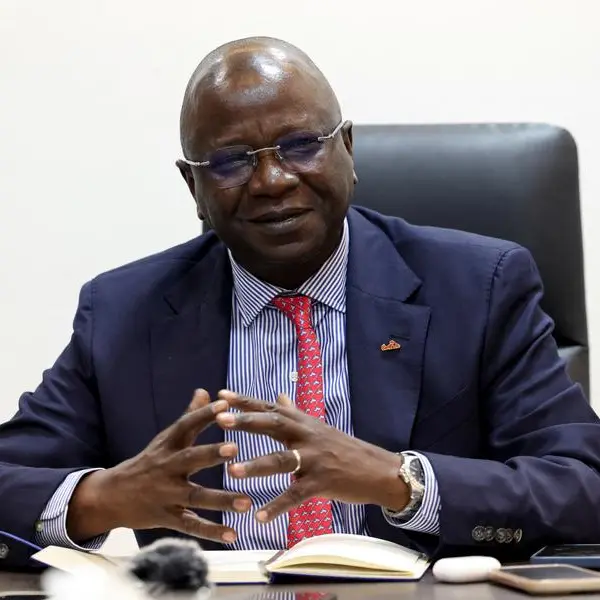
Commenting on the report, Muyiwa Oni, Head of Equity Research, West Africa at Stanbic IBTC Bank, said the latest PMI reading reflects improving economic conditions and aligns with stronger growth trends seen in the broader economy.
According to Oni, the PMI’s indication of economic activity suggested that first-quarter growth would remain robust, although official figures from the National Bureau of Statistics showed the economy expanded by 3.89 per cent year-on-year in the first quarter, slightly below Stanbic IBTC’s implied estimate of 3.99 per cent.
He noted that the gap was largely attributable to weaker-than-expected performance in the non-oil economy, while growth in the oil sector moderated significantly compared with the previous quarter.
Key sectors driving economic expansion included agriculture, manufacturing, construction, information and communication technology, trade, finance and insurance, underscoring the resilience of Nigeria’s productive sectors despite macroeconomic headwinds.
Looking ahead, businesses remained optimistic about future activity levels, supported by plans to expand operations, open new branches, launch new products and increase marketing efforts. However, confidence weakened to its lowest level in a year, suggesting that firms remain cautious about the outlook amid ongoing cost pressures and global uncertainties.
For investors and policymakers, the latest PMI data provides another indication that economic reforms and improving market conditions are gradually supporting business activity. Nevertheless, sustaining the recovery may depend on easing inflationary pressures, improving energy costs and strengthening consumer purchasing power in the months ahead.
Copyright © 2026 Nigerian Tribune Provided by SyndiGate Media Inc. (Syndigate.info).