PHOTO
Several African currencies have weakened against the United States dollar in the first quarter of 2026, reflecting a mix of global pressures and domestic economic challenges.
Contents
- Libyan dinar (Libya) – down 17.21%
- Ghanaian cedi (Ghana) – down 10.28%
- Tanzanian shilling (Tanzania) – down 5.80%
- Zambian kwacha (Zambia) – down 5.49%
- West African CFA franc (UEMOA bloc) – down 2.89%
- Egyptian pound (Egypt) – down 2.57%
- Congolese franc (DR Congo) – down 1.80%
- Moroccan dirham (Morocco) – down 1.79%
- Mauritian rupee (Mauritius) – down 1.06%
- Central African CFA franc (CEMAC bloc) – down 0.60%
- What is driving the trend?
Despite pockets of resilience across the continent, many currencies continue to struggle under the weight of inflation, low foreign exchange reserves, and structural imbalances.
The continued strength of the US dollar has further intensified depreciation pressures, particularly for import-dependent economies.
The currency performance data is based on foreign exchange market analysis and figures compiled by TUKO.co.ke.
Below is a breakdown of the 10 worst-performing African currencies between January 1 and April 23, 2026, with insights into the factors driving their decline.
Libyan dinar (Libya) – down 17.21%
The Libyan dinar recorded the steepest decline despite Libya’s oil wealth. Prolonged political instability, competing governments, and weak monetary coordination have made the currency highly vulnerable. Limited foreign reserves have also exposed it to speculative pressures.
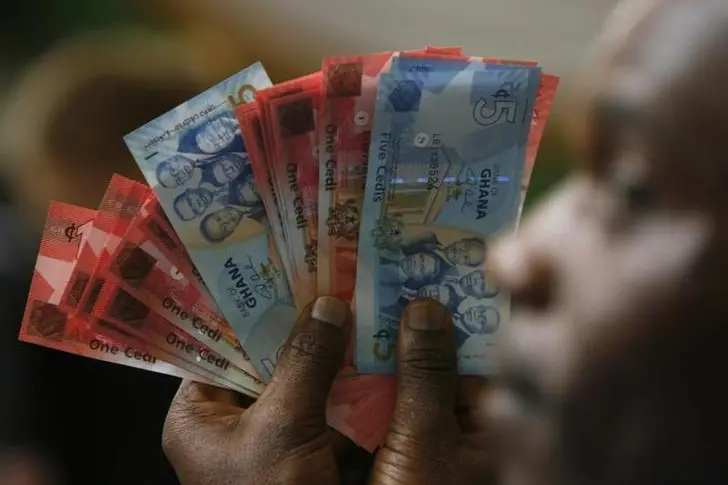
Ghanaian cedi (Ghana) – down 10.28%
The cedi remains under strain despite ongoing economic reforms, including an IMF-backed programme.
High inflation, rising debt obligations, and insufficient foreign exchange reserves have continued to weaken investor confidence.
Tanzanian shilling (Tanzania) – down 5.80%
The Tanzanian shilling has come under pressure due to increased demand for US dollars, especially for imports such as fuel. Rising global oil prices have worsened the situation, increasing the country’s import bill.
Zambian kwacha (Zambia) – down 5.49%
Once among the best-performing currencies earlier in 2026, the kwacha has reversed course. Zambia’s heavy reliance on copper exports makes its currency sensitive to global commodity price shifts and tightening external financing conditions.
West African CFA franc (UEMOA bloc) – down 2.89%
Although relatively stable compared to others, the CFA franc has still depreciated. Its performance reflects broader regional economic pressures, including inflation and external shocks affecting member countries.
Egyptian pound (Egypt) – down 2.57%
The Egyptian pound continues to face pressure from high inflation and foreign currency shortages. Ongoing economic reforms have yet to fully stabilise the currency amid rising import costs.
Congolese franc (DR Congo) – down 1.80%
The franc’s decline is linked to economic instability and reliance on imports. Weak industrial capacity and external shocks have contributed to steady depreciation.
Moroccan dirham (Morocco) – down 1.79%
Morocco’s currency has shown relative resilience but is still affected by higher energy import costs and global economic headwinds, which have increased demand for foreign currency.
Mauritian rupee (Mauritius) – down 1.06%
The rupee’s depreciation reflects pressures from import dependence and fluctuations in tourism revenues, a key source of foreign exchange for the island nation.
Central African CFA franc (CEMAC bloc) – down 0.60%
The CEMAC CFA franc recorded the mildest decline on the list. However, it still faces challenges linked to external shocks, including oil price volatility and regional fiscal pressures.
What is driving the trend?
Economists attribute the widespread depreciation to both global and local factors. Rising geopolitical tensions, particularly those affecting oil supply routes, have increased global crude prices. Since oil is priced in US dollars, countries must source more dollars to meet import needs, weakening their local currencies.
At the domestic level, issues such as high inflation, low reserves, and delayed economic reforms have amplified the impact. For many African countries, the result has been rising inflation, increased debt servicing costs, and reduced purchasing power for citizens.
Copyright © 2026 Nigerian Tribune Provided by SyndiGate Media Inc. (Syndigate.info).