PHOTO
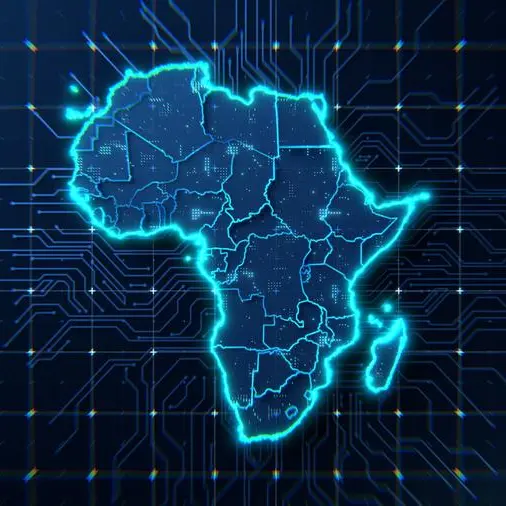
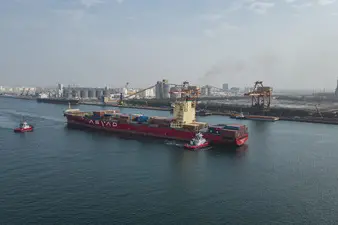
Several African countries, including Ghana, South Africa and Kenya, are increasingly turning to Nigeria’s Dangote Refinery as fuel supplies from the Middle East tighten amid disruptions linked to the ongoing Israel–US–Iran threats to the Strait of Hormuz.
According to Bloomberg, the supply crunch has left many African nations scrambling for alternatives, having long relied on major refineries in the Persian Gulf for refined petroleum products.
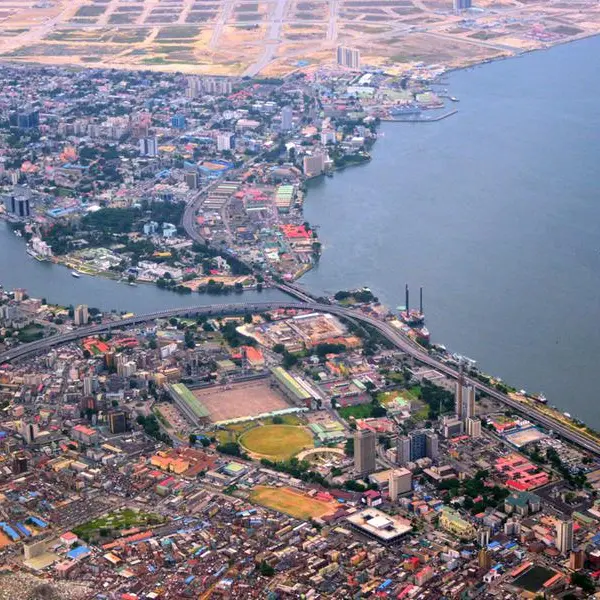
At the centre of the shift is Africa’s richest man, Aliko Dangote, whose 650,000-barrel-per-day refinery located on the outskirts of Lagos is emerging as a critical lifeline for the continent.
The $20 billion facility, which began operations in 2024 after years of delays and cost overruns, has been ramping up production and is already witnessing a surge in demand from across Africa as governments seek to avert looming energy shortages.
Industry sources say the refinery is attracting strong interest from multiple countries, with some already initiating talks to secure long-term supply agreements.
The crisis highlights Africa’s long-standing dependence on imported refined fuel—even among oil-producing nations. Until recently, Nigeria exported crude oil abroad for refining and re-imported finished products at significantly higher costs.
While the Dangote Refinery has helped reverse that trend, domestic demand in Nigeria still accounts for roughly three-quarters of its output, leaving limited volumes available for export to other African markets.
Analysts caution that the plant alone cannot fully bridge the continent’s fuel deficit, particularly as many countries lack sufficient strategic reserves to cushion prolonged disruptions.
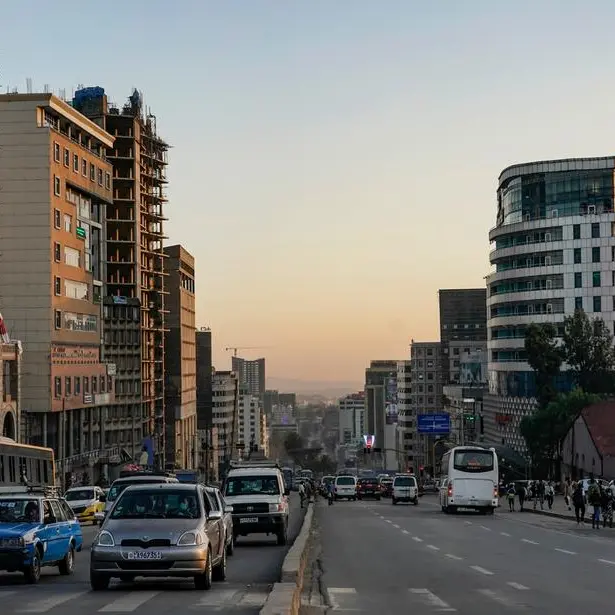
Governments are already rolling out contingency measures. Ethiopia has urged citizens to conserve fuel and prioritise public transport, while major firms in South Africa are taking steps to secure supplies for critical operations.
The scramble for fuel is expected to intensify competition among African buyers, a development likely to boost revenues for Dangote’s refinery.
Speaking with The Economist, Dangote said the current situation is driven less by pricing and more by availability, warning that supply constraints may persist as geopolitical tensions continue to disrupt global energy flows.
“Right now it is not about pricing, it’s about availability. I think the situation will continue for a while,” he said.
With Africa’s fuel import dependence growing over the years, the evolving crisis is accelerating a shift toward regional refining solutions—with Nigeria’s mega refinery at the forefront.
Notably, no African country is a member of the International Energy Agency, which requires members to maintain at least 90 days of net oil import reserves—a benchmark that underscores the continent’s vulnerability to global supply shocks.
Copyright © 2026 Nigerian Tribune Provided by SyndiGate Media Inc. (Syndigate.info).