PHOTO
Key State officials in Kenya’s energy sector were arrested in a late-night operation linked to a widening probe into fuel imports, supply disruptions and quality concerns within the petroleum supply chain.
Those arrested include Energy Principal Secretary Mohamed Liban, Kenya Pipeline Company (KPC) Managing Director Joe Sang, Energy and Petroleum Regulatory Authority (Epra) Director-General Daniel Kiptoo and Petroleum Director Joseph Wafula.
The four were picked up by Directorate of Criminal Investigations (DCI) officers and detained at different police stations before being transferred to DCI headquarters along Kiambu Road on Friday afternoon. More officials are being sought as part of a broader probe into suspected interference in the fuel supply chain.
Multiple police sources indicate the officials are facing charges under the Economic Crimes Act, including failure to maintain proper records, stocks and reserves of petroleum products. Investigators believe that the handling of a key fuel consignment disrupted supply and contributed to shortages that were initially attributed to the Iran crisis.
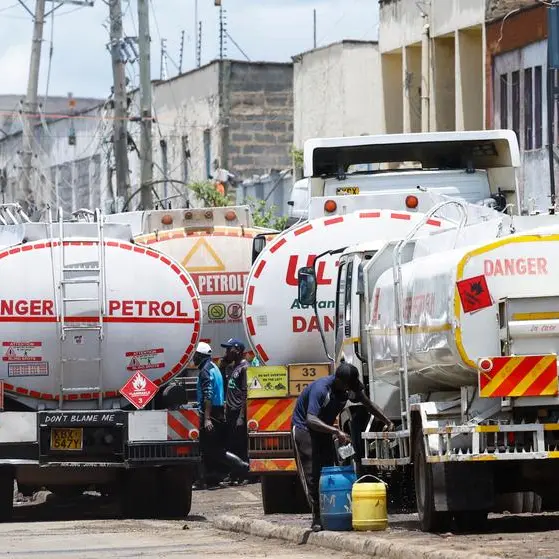
At the centre of the probe is a controversial fuel consignment imported under the government-to-government (G-to-G) arrangement that was flagged over quality concerns. Authorities are investigating claims that the shipment contained elevated sulphur levels that do not meet Kenya’s standards, raising questions about its suitability for use.
The anomaly was reportedly detected by a KPC quality assurance manager, who halted distribution after tests and escalated the matter to senior officials. The decision triggered internal disagreements over whether the product should be released into the market before the case was referred to investigators.
The arrests have also been linked to the importation of petrol outside the G-to-G framework by two local oil firms – One Petroleum and Oryx – which each shipped in 60 tonnes of petrol last month. Industry sources said one of the cargoes attracted a premium of $290 (Sh37,691.3) per tonne, more than three times the $84 (Sh10,917.48) charged under the G-to-G deal.
Approval processKPC owns the country’s fuel storage and transport network, while fuel imports must be cleared by Epra and the Ministry of Energy and Petroleum, placing the arrested officials at the centre of the approval process.
It remains unclear why Energy Cabinet Secretary Opiyo Wandayi has not been arrested or summoned, despite overseeing the sector and the agencies involved.
The developments come amid rising concerns over fuel supply stability in Kenya, which relies heavily on imports from Gulf oil majors – Saudi Aramco, Emirates National Oil Company (Enoc) and Abu Dhabi National Oil Company (Adnoc) – under the G-to-G deal. The arrangement, extended to 2027/28, has been central to stabilising supply and easing pressure on foreign exchange demand, despite scrutiny over its procurement and pricing.
Under the deal, the Gulf suppliers nominate local firms to import fuel on behalf of the country, with Gulf Energy handling more than 80 percent of petrol imports and part of the diesel supply.
Speaking before the Senate earlier this week, Energy Cabinet Secretary Opiyo Wandayi said the three international suppliers are free to source fuel from outside the war-affected Middle East.
Economic pressureInvestigators are also examining whether the handling of fuel stocks and the disputed consignment contributed to an artificial shortage, as the country grapples with geopolitical tensions that threaten to push up global oil prices.
President William Ruto has acknowledged growing economic pressure linked to conflict in the Middle East, saying the government is monitoring developments and working with agencies to manage potential spillover effects.
The government plans to deploy Sh17 billion from the petroleum stabilisation fund to cushion consumers over the next three months, alongside possible tax adjustments.
Epra is expected to announce new fuel prices for the period between April 15 and May 14, with consumers bracing for increases even if subsidies are applied.
© Copyright 2026 Nation Media Group. All Rights Reserved. Provided by SyndiGate Media Inc. (Syndigate.info).