PHOTO
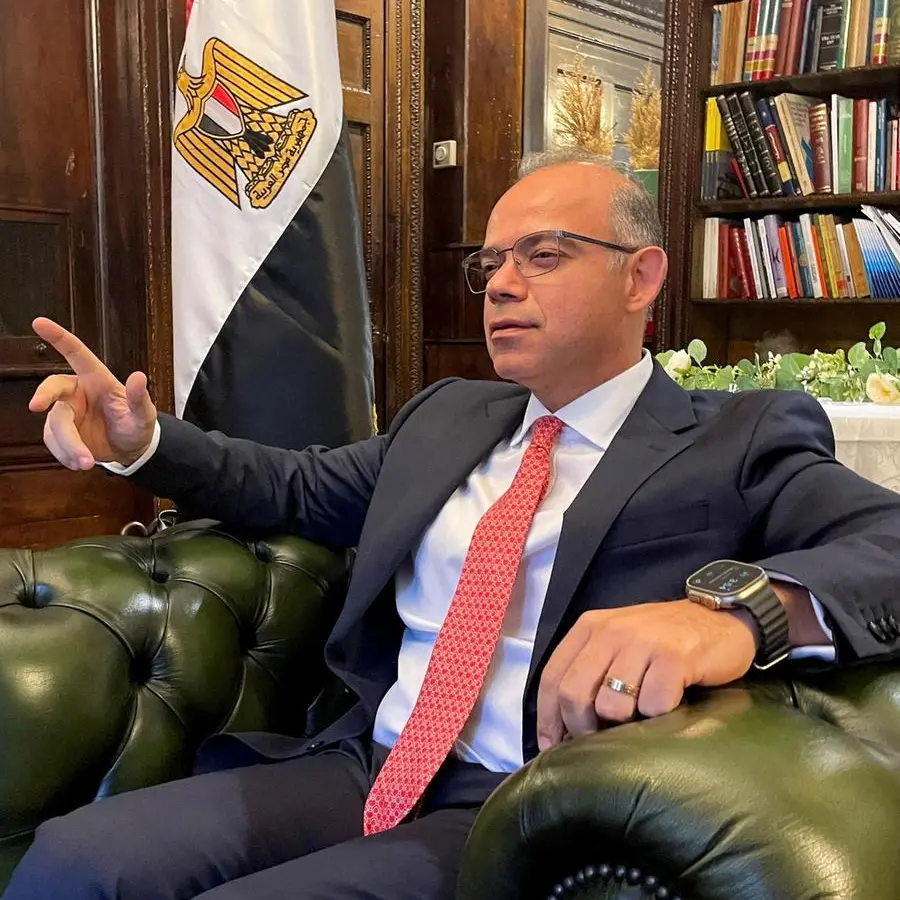
Arab Finance: Minister of Petroleum and Mineral Resources, Karim Badawi, and Shaikh Nawaf Saud Al-Sabah, Vice Chairman and CEO of Kuwait Petroleum Corporation (KPC), discussed opportunities to expand cooperation and increase Kuwaiti investments in Egypt's petroleum and natural gas sector during a meeting held on the sidelines of the minister's visit to the US, as per a statement.
The discussions focused on strengthening the strategic partnership between Egypt and Kuwait across the energy value chain, including oil and gas exploration, production, technology, innovation, and digital transformation.
Badawi highlighted the longstanding ties between the two countries and described the Egyptian-Kuwaiti partnership in the energy sector as a successful model of Arab cooperation that supports sustainable development and shared economic interests.
During the meeting, the minister outlined investment opportunities available in Egypt's petroleum sector, particularly in oil and gas exploration, development, and production activities in the Mediterranean Sea, the Red Sea, and the Western Desert. He called for greater participation by KPC and its subsidiaries in Egypt's ongoing investment and expansion programs aimed at increasing production and maximizing the value of natural resources.
The two sides also explored opportunities to leverage KPC's expertise in supporting major regional energy projects, particularly in the Eastern Mediterranean, to strengthen connectivity between Arab and regional energy markets and support energy security and sustainable supplies.
Badawi reaffirmed Egypt's ambition to strengthen its position as a regional energy hub, citing the country's strategic location, advanced infrastructure, and extensive regional and international partnerships. He noted that cooperation with Arab partners remains central to achieving this objective.
The meeting additionally addressed collaboration in technology, innovation, and digital transformation, including the exchange of expertise in reservoir management, exploration, and production. Both sides agreed to explore the use of artificial intelligence applications to improve operational efficiency, increase production rates, and maximize returns from oil and gas assets.
At the conclusion of the meeting, both parties reaffirmed their commitment to expanding cooperation and opening new avenues for partnership and investment that support development efforts and regional energy security.
Separately, Badawi participated in the 10th Global Energy Forum in Washington, D.C., organized by the Atlantic Council in cooperation with the US Department of Energy.
During a panel discussion titled "Energy, Diplomacy, and Regional Stability in the Middle East," the minister outlined Egypt's strategy to maximize the value of its energy and mineral resources through partnerships with international and regional energy companies, including Chevron, ExxonMobil, Eni, bp, Shell, Apache, ADNOC, Arqus, and Dragon Oil.
Badawi said the ministry is continuing efforts to create an attractive investment environment while reviewing financial and contractual frameworks to accelerate field development and increase oil and gas production. He added that Egypt is intensifying exploration and drilling activities, particularly in areas close to existing infrastructure, to reduce costs and shorten the time required to bring discoveries into production.
The minister also highlighted the importance of Egypt's energy infrastructure in supporting regional and global energy security, pointing to the strategic role of SUMED's Red Sea facilities, which include storage terminals, pipelines linking the Red Sea and Mediterranean Sea, and petroleum handling facilities that facilitate the movement and re-export of crude oil to international markets.
In the natural gas sector, Badawi underscored the significance of Egypt's liquefied natural gas export terminals in Idku and Damietta, describing them as key assets that support gas trade and distribution across the Eastern Mediterranean.
He also pointed to Egypt's energy cooperation with Cyprus, particularly plans to connect gas discoveries such as the Aphrodite and Kronos fields to Egypt's processing and liquefaction infrastructure for export to European markets or supply to the domestic market. According to Badawi, the model accelerates resource development, supports regional energy security, and reinforces Egypt's role as a regional hub for energy trade and distribution.
Beyond hydrocarbons, the minister highlighted mining as a strategic growth sector, citing Egypt's reserves of gold, phosphate, silica, kaolin, and critical minerals needed for clean energy and advanced technology industries. He revealed that Egypt is preparing to launch its first comprehensive aerial mineral survey in more than four decades as part of efforts to attract investment and expand the sector's contribution to gross domestic product (GDP).
Badawi also reiterated Egypt's target of increasing the share of renewable energy in its energy mix to 42%, supported by the country's solar, wind, and nuclear energy resources. He said the strategy aims to reduce reliance on conventional fuels while directing natural gas toward higher-value industrial and manufacturing uses.
The Global Energy Forum, attended by ministers, policymakers, investors, and executives from major international energy companies, is examining the future of the global energy agenda, geopolitical and economic shifts in the sector, supply chain resilience, innovation, and the growing role of artificial intelligence in energy systems.