PHOTO
For many Nigerians living abroad, the desire to invest back home goes beyond profit. It is often tied to family responsibilities, long term security, and the hope of building something solid in a country they still call home.
Contents
- 1. Real estate and property development
- 2. Government bonds and treasury instruments
- 3. Stocks and the Nigerian capital market
- 4. Agriculture and agro processing
- 5. Small and medium scale enterprises
- 6. Technology and start up ventures
- 7. Cooperative societies and structured investment groups
- Important considerations before investing
Whether it is sending money to support relatives, contributing to community projects, or planning for retirement in Nigeria, members of the diaspora play a significant role in the country’s economy.
In fact, remittances from Nigerians overseas run into billions of dollars yearly, supporting households and strengthening foreign exchange inflows.
However, beyond remittances, structured investment has become an important conversation. Many Nigerians abroad are asking practical questions. Where can I put my money safely? How do I reduce risk? What sectors offer real growth? What legal steps should I follow before committing funds? With the right information and proper due diligence, diaspora Nigerians can take advantage of several investment opportunities across different sectors of the economy.
Here are some of the major investment options available.
1. Real estate and property development
Real estate remains one of the most popular investment choices for Nigerians abroad. Many see property ownership as a stable and visible asset that can generate rental income or appreciate in value over time.
Cities such as Lagos, Abuja, Port Harcourt, Ibadan, and emerging urban centres continue to experience housing demand driven by population growth and urban migration.
Diaspora investors can purchase land, residential apartments, commercial buildings, or participate in property development projects. Some choose to build homes for personal use in future, while others invest purely for rental returns.
However, due diligence is critical. It is important to verify land titles, confirm proper documentation, and work with reputable developers or legal professionals. Engaging a property lawyer and conducting proper background checks can prevent costly disputes.
2. Government bonds and treasury instruments
For those who prefer lower risk options, Federal Government bonds and treasury bills provide structured and regulated investment opportunities. These instruments allow individuals to lend money to the government for a fixed period in exchange for interest payments.
Government bonds typically offer medium to long term returns, while treasury bills are shorter term. Diaspora Nigerians can access some of these investments through Nigerian banks, licensed brokers, or authorised financial institutions.
Although returns may not be as high as private ventures, government securities are generally considered more stable compared to many informal investment schemes.
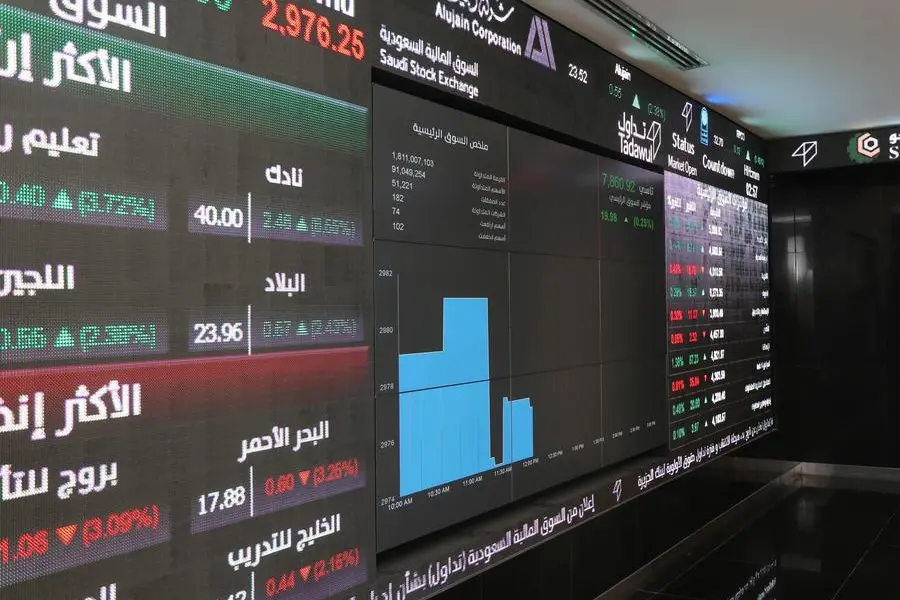
3. Stocks and the Nigerian capital market
The Nigerian Exchange offers another avenue for diaspora investment. By purchasing shares in publicly listed companies, investors can participate in sectors such as banking, telecommunications, manufacturing, agriculture, and consumer goods.
Investing in stocks requires research and patience. Share prices can fluctuate, and returns depend on company performance and broader economic conditions.
Working with licensed stockbrokers and understanding market trends can help reduce unnecessary risk.
Some investors also explore exchange traded funds and mutual funds, which pool funds together and are managed by professionals. These options may offer diversification without requiring constant monitoring.
4. Agriculture and agro processing
Agriculture remains a backbone of Nigeria’s economy. Diaspora Nigerians have increasingly shown interest in farming, livestock production, fishery, poultry, and agro processing ventures.
This sector presents opportunities in crop cultivation, palm oil production, rice milling, cassava processing, poultry farming, and export of agricultural produce. With proper management and access to reliable local partners, agriculture can generate steady returns.
However, this sector requires hands on supervision or trustworthy management. Investors must assess location, climate conditions, storage facilities, market access, and logistics before committing funds.
5. Small and medium scale enterprises
Many diaspora Nigerians choose to invest in small and medium enterprises operated by family members or trusted associates. This may include retail businesses, hospitality ventures, fashion brands, technology services, or transportation businesses.
While these businesses can grow quickly and deliver good returns, they also carry higher risk. Poor management, lack of accountability, and weak financial structures often lead to losses. Clear agreements, regular reporting, and defined ownership structures are necessary for sustainability.
Some diaspora investors also choose to become silent partners in established businesses rather than starting from scratch.
6. Technology and start up ventures
Nigeria’s technology ecosystem has attracted both local and foreign interest in recent years. Fintech, logistics platforms, health technology, educational technology, and digital services have grown steadily.
Diaspora Nigerians with experience in technology, finance, or entrepreneurship often invest in start ups either as angel investors or early stage partners. While potential returns can be significant, start ups also carry high uncertainty.
Thorough evaluation of the business model, management team, market demand, and regulatory compliance is essential before investing in this space.
7. Cooperative societies and structured investment groups
Some Nigerians abroad prefer joining cooperative societies or structured investment clubs that pool funds for larger projects. These groups may invest in land banking, housing projects, or joint ventures.
Before joining any group, it is important to review registration documents, financial records, and governance structures. Transparency and accountability are key indicators of credibility.
Important considerations before investing
Regardless of the sector, diaspora investors should take certain precautions. Proper documentation, legal advice, and financial transparency are crucial. It is also wise to avoid informal arrangements based purely on trust without written agreements.
Currency fluctuations should also be considered, especially when converting foreign earnings into naira. Investors must assess how exchange rate changes may affect projected returns.
Additionally, engaging professionals such as lawyers, accountants, and licensed financial advisers can reduce exposure to fraud and mismanagement.
Nigerians in the diaspora contribute immensely to the nation’s economic growth. Beyond remittances, structured and informed investment can create long term wealth, generate employment, and strengthen communities.
From real estate and government securities to agriculture, stocks, and technology ventures, the opportunities are diverse. The key lies in research, caution, and partnering with credible institutions. With careful planning and proper safeguards, diaspora Nigerians can build sustainable investments that benefit both their families and the broader economy.
Copyright © 2026 Nigerian Tribune Provided by SyndiGate Media Inc. (Syndigate.info).