PHOTO
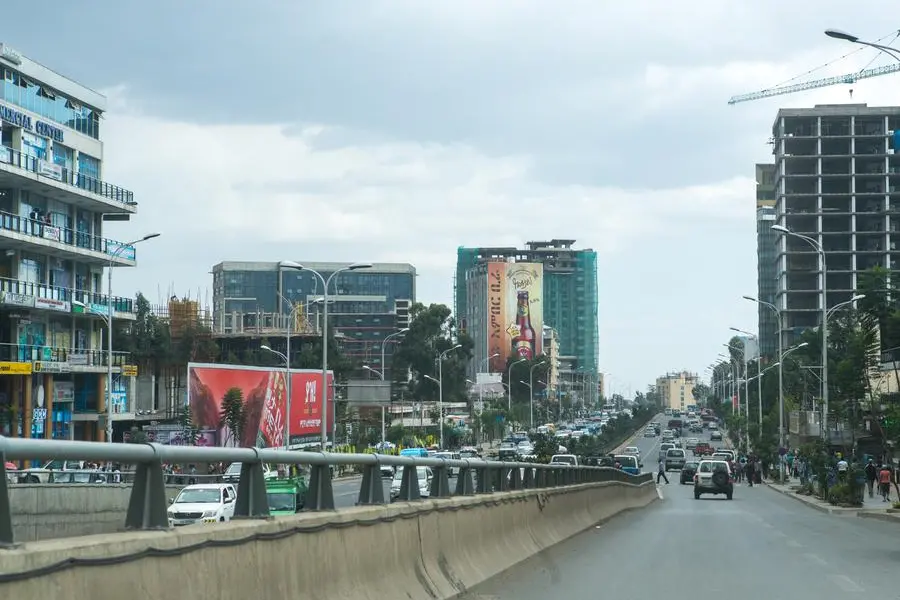
Ethiopia is set to receive a further $468 million from the International Monetary Fund (IMF) to meet its fiscal and balance of payments needs.
This is after IMF and Addis reached a staff-level agreement on the fifth review of the $3.4 billion Extended Credit Facility (ECF) programme.
The latest disbursement, subject to approval by the IMF Executive Board, would bring total funding released under the four-year programme to about $2.65 billion.
The agreement follows discussions between an IMF team led by Alvaro Piris and Ethiopian authorities in Addis Ababa from May 6 to 20, with talks continuing virtually.
In a statement issued on June 3, the IMF said Ethiopia had continued to make progress in implementing its Homegrown Economic Reform Agenda, delivering favourable macroeconomic outcomes despite disruptions caused by the war in the Middle East.
“The IMF staff team and the Ethiopian authorities have reached staff-level agreement on the fifth review of Ethiopia’s economic programme under the ECF arrangement. The agreement is subject to the approval of IMF management and the Executive Board in the coming weeks,” Mr Piris said.
The ECF is the IMF’s concessional lending programme for low-income countries facing persistent balance-of-payments challenges.
In January, the IMF completed the programmes fourth review, unlocking about $261 million.
Reform momentumAccording to the IMF, output indicators, exports, foreign exchange reserves and government revenues continued to improve through early 2026, while inflation declined.“The authorities have continued to make progress in implementing their Homegrown Economic Reform Agenda, with favourable macroeconomic outcomes through to the onset of the war in the Middle East,” the fund said.
The IMF cautioned, however, that risks to Ethiopia’s outlook have increased because of heightened global uncertainty and commodity price volatility linked to the conflict.
While the impact on growth, inflation and external balances is expected to remain manageable if the shock proves temporary, higher import costs and volatile global markets will require careful policy management, the fund said.“Maintaining strong policy implementation will be essential to consolidate macroeconomic stability. A tight monetary policy stance remains warranted to anchor inflation expectations.“Further efforts to enhance the functioning and transparency of the foreign exchange market will be important to support external adjustment,” the IMF said.“Continued progress in domestic revenue mobilisation and prudent expenditure management will help safeguard fiscal sustainability while responding to new spending pressures.”Debt talksThe IMF said progress was also being made towards a comprehensive restructuring of Ethiopia’s external debt.“Debt restructuring discussions with official creditors are advancing in line with expectations, and discussions with bondholders continue,” the fund said.
Since Prime Minister Abiy Ahmed came to power in 2018, the government has gradually loosened state control over major sectors while seeking to attract foreign investment and boost private sector-led growth.
As part of those reforms, Ethiopia adopted an interest rate-based monetary policy framework in July 2024, aligning its financial system more closely with international standards and paving the way for greater participation by foreign banks. © Copyright 2026 Nation Media Group. All Rights Reserved. Provided by SyndiGate Media Inc. (Syndigate.info).