PHOTO
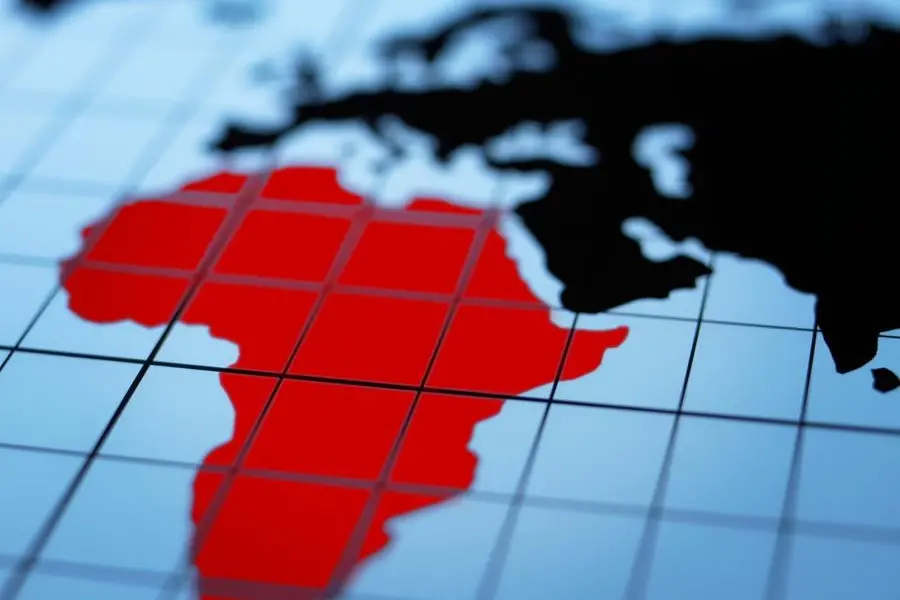
That a wave of cautious relief swept across the African continent on the signing into law of a one-year extension of the African Growth and Opportunity Act (Agoa) earlier this year is not in doubt.
While the move offered a temporary reprieve for Sub-Saharan Africa to access the USA market, the broader conversation among policymakers is how to take advantage of the one-year extension to further prop up its trade potential.
Since its inception in 2000, Agoa has been a cornerstone of US-Africa trade relations, granting eligible African countries duty-free access to the US market for thousands of products.
However, a shift in the global trade landscape, rising protectionism, supply chain disruptions and the reshoring of manufacturing are reshaping trade policy.
The realignment underscores the urgency for Africa to take decisive action in shaping its economic future. Rather than being a passive bystander in global trade conflicts, the continent must seize the moment to deepen intra-African trade, accelerate industrialisation, and assert greater economic independence..
New global alliances, from the Gulf to Asia and beyond, are expanding opportunities for Africa’s private sector to lead. The old proverb reminds us: “If you want to go fast, go alone. If you want to go far, go together.” Africa is choosing to go far.
Agoa is the intersection of geopolitics and global tradeThe central challenge that Agoa did not resolve is structural. Africa continues to operate at the lower end of global value chains, exporting raw materials and importing higher-value goods manufactured from the same materials.
This entrenched pattern limits productivity, suppresses wage growth and prevents the emergence of robust labour markets. It also exposes African economies to fluctuations in distant markets. No sustainable transformation can occur while the continent creates little value compared to what it consumes.
Latest data shows that Africa’s trade financing gap is estimated to range between $80 - $120 billion annually. Without strong African financial institutions with regional and continental footprints, this gap will continue to stifle the operationalisation of the AfCFTA.
Cross-border banks like KCB Group are uniquely positioned to fill this void because they understand the market risks, regulatory nuances, and cultural dynamics far better than external lenders. Moreover, their vested interest in Africa’s success makes them more resilient partners for businesses navigating multiple jurisdictions within the continent.
This moment, therefore, calls for a shift in strategic focus towards domestic and regional markets. Intra-African trade makes up just 15 percent of total continental trade, compared to North America and Europe, where intercontinental trade makes up more than half of all their trade.
This is a function of production capacity, demand and logistical shortcomings. The lack of an integrated rail network means that as much as 80 percent of goods in Africa are transported via road, adding time, cost and risk to the journey.
It is estimated that the successful implementation of AfCFTA would lift an estimated 30 million Africans out of extreme poverty and boost the incomes of nearly 68 million others who live on less than $5.50 a day.
For a bank like KCB, ours is a catalytic role in financing productive sectors, including agriculture, manufacturing, and logistics, aiming to reduce import dependency on the continent.
Our belief is that financial institutions must become primary financiers of intra-African trade through scaled SME trade finance, sophisticated cross-border treasury solutions, and digital infrastructure investment to facilitate trade flows that generate employment, supply chain development, and additional investment attraction across multiple markets simultaneously.
As global markets retreat into protectionism and nationalist economic agendas, Africa must hold firm to its integration agenda. The pathway is clear, and the stakes are higher than ever. What remains is the political will and institutional resolve to translate these promising beginnings into a sustained, integrated African economic powerhouse.
© Copyright 2026 Nation Media Group. All Rights Reserved. Provided by SyndiGate Media Inc. (Syndigate.info).