PHOTO
LITTLETON, Colorado - The continent of Africa looks set to emerge as a key driver of global solar power production over the rest of the 2020s thanks to a potent mix of policy support, rapid economic growth and declining component costs.
Africa installed a record 4.5 gigawatts (GW) of photovoltaic (PV) solar power capacity in 2025, according to the Global Solar Council, which marked a 54% jump from the year before.
Eight different countries added at least 100 megawatts (MW) of solar capacity last year, which was double the number of countries at that threshold in 2024 and underscores the widening appeal of solar systems across the continent.
African nations also sharply boosted their collective imports of battery energy storage systems (BESS) last year to ensure utilities, households and businesses could maximise access to solar power even after dark.
Ambitious clean energy policies from South Africa to Egypt look set to drive further widespread uptake of solar and battery systems, setting the stage for Africa to become a prominent growth arena for solar systems through 2030 and beyond.
GROWTH DRIVERS
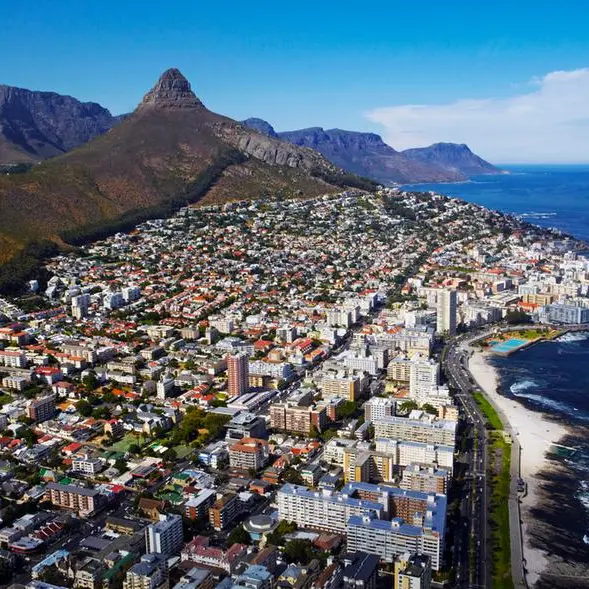
South Africa has the largest total solar capacity footprint in Africa, likely just above 10 GW following a 1.6 GW addition to capacity in 2025.
The country's latest Integrated Resource Plan calls for around 10 GW of new solar PV capacity to be installed through 2030, as well as 8.5 GW of battery storage and around 5 GW of distributed solar.
Most of those capacity figures look to be attainable at the current installation rate, although grid bottlenecks and stunted investment in the country's over-stretched distribution networks remain key challenges for power developers.
North African nations including Egypt, Algeria, Morocco and Tunisia are among the fastest-growing markets for solar capacity outside of South Africa, and between them added an additional 1.1 GW in 2025.
Some of the world's largest utility-scale solar projects currently in development are set to be in North Africa, which boasts some of the highest solar radiation levels in the world alongside vast stretches of undeveloped land.
Egypt is North Africa's current leader in solar project development, and has around 5.5 GW of solar projects under construction and a further 13 GW in so-called pre-construction, according to Global Energy Monitor (GEM).
However, Tunisia, Libya and Mauritania have also committed to large solar development pipelines, which looks set to aid in efforts to build skilled workforces tied to clean energy development and maintenance.
Nigeria was another prominent solar developer in 2025, with a record 803 MW getting installed, while Zimbabwe, Zambia, Ghana and the Ivory Coast all have record-large solar projects currently under construction.
POLICY HELP
Several country-level initiatives tied to driving demand for renewable power are helping to further brighten the outlook for solar assets in Africa.
Nigeria - one of Africa's fastest-growing economies - has recently approved new net-metering laws that will allow households and businesses to offset power bills with output from rooftop solar installations.
In Kenya, new building codes require space for solar installations, while aluminium mounting systems for solar arrays are set to become exempt from import duties, which will sharply boost their affordability.
Ethiopia has also received funding for a major grid upgrade designed to help renewables projects, while Botswana, Tanzania and Zimbabwe have all implemented new domestic energy market rules that should boost the economic appeal of solar projects.
TRACKING POTENTIAL
Africa's increased appetite for solar components comes just as several major markets in Europe and elsewhere reach saturation point following several years of rapid expansion.
This bodes well for exporters of solar panels - mainly Chinese companies - who remain locked out of the U.S. due to an ongoing trade war and need new growth markets to sell into.
In 2025, African nations bought a record $2 billion of China-made solar modules, which marked a 36% increase from the year before, data from energy think tank Ember shows.
African nations also snapped up $2.6 billion worth of China-made battery systems, which again marked a steep year-over-year increase and helped Chinese vendors widen their service footprint across the continent.
If sales prices of both solar components and battery systems continue to fall in 2026 and beyond, African consumers will be well placed to take advantage of that greater affordability, especially in areas where tax breaks on imports and favourable pricing on renewable power is newly available.
That in turn should help Africa's solar momentum pick up further steam over the rest of the decade, and help the region establish itself as a critical energy transition driver by 2030.