PHOTO
Afreximbank plans to double its financing for intra-African trade to $35 billion this year as it seeks to unlock the continent’s vast market and accelerate commerce under the African Continental Free Trade Area (AfCFTA).
Despite the AfCFTA creating the world’s largest free-trade area by the number of participating countries and population, trade among African countries accounts for only about 15 per cent of the continent’s total trade, making it the least integrated trading region in the world. Although the agreement entered into force in 2019 and trading officially began in 2021, progress has been slower than expected.
In its latest 2026 Trade Report, Afreximbank says small and medium-sized enterprises (SMEs), which account for a significant share of intra-African trade, continue to face limited access to finance. The lender estimates the continent faces an annual trade finance gap of between $80 billion and $120 billion, constraining business expansion, industrialisation and cross-border trade.
Africa’s financial architecture is adapting to new economic realities,” the report says, noting that Afreximbank disbursed $17.5 billion in 2024 and aims to double intra-African trade finance by 2026.
The report says expanding trade finance must go hand in hand with stronger financial infrastructure. It highlights the growing role of the Pan-African Payment and Settlement System (PAPSS), launched in 2022.
The platform is helping reduce transaction costs and reliance on the US dollar and the euro for cross-border payments, making regional trade faster and more efficient.
According to Afreximbank, deeper intra-African trade presents an opportunity for African countries to reduce dependence on vulnerable global supply chains and strengthen economic resilience.
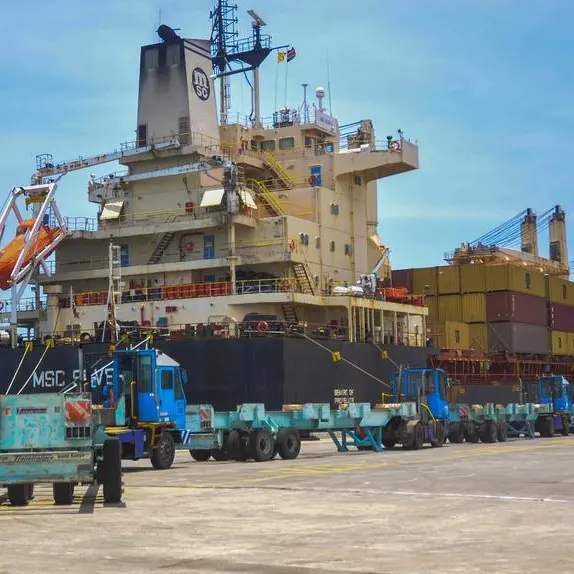
The lender notes that geopolitical tensions, rising protectionism and shifting global trade patterns are making regional integration increasingly important. Conflicts have forced many ships travelling between Asia and Europe to reroute around the Cape of Good Hope, extending transit times from about 14 days to between 21 and 24 days.
The disruptions have increased freight costs, delayed deliveries and exposed Africa’s dependence on external supply chains, reinforcing the case for stronger regional trade and investment.
© Copyright 2026 Nation Media Group. All Rights Reserved. Provided by SyndiGate Media Inc. (Syndigate.info).