PHOTO
Kenya has recorded a 20 percent increase in trade with the European Union (EU) since signing an Economic Partnership Agreement (EPA) two years ago.
Outgoing EU Head of Delegation to Kenya Henriette Geiger attributed the growth to greater value addition and more aggressive private sector-driven marketing by Nairobi in Europe.
Under the EU-Kenya EPA, Kenyan goods enjoy immediate duty-free and quota-free access to the EU. In return, Kenya will progressively liberalise 82.6 percent of EU imports over 25 years, increasing market access for European products.
Backed by the European Commission, the EU remains Kenya’s largest export market, actively supporting local horticulture, green investments and economic resilience.“Since the entry into force, we have seen a 20 percent increase in EU-Kenya trade, which is remarkable, but of course we are not satisfied,” Ms Geiger said on Thursday.“We want to double trade. And we are working on this dynamic space right now, including creating a European Business Chamber. We launched the Business Chamber last year, and it is supposed to advocate for trade and investment between the EU and Kenya.”Total trade between Kenya and the EU is valued at $3.8 billion annually, with the EU serving as Kenya’s largest single export destination.
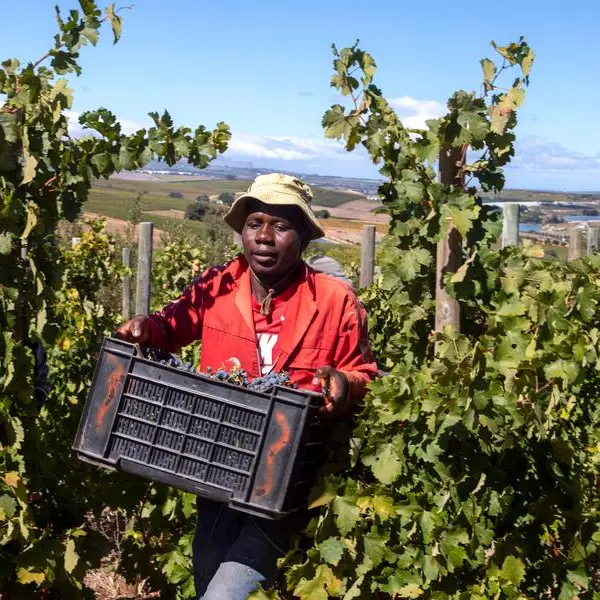
Kenya supplies more than 40 percent of all flowers imported into the EU and continues to leverage the EPA to expand its horticultural and textile exports.
Kenya protects 17.4 percent of its sensitive products from EU competition.
The remaining EU imports will see tariff reductions phased in over the next 15 to 25 years, helping to preserve domestic industrial and budget stability.
Regional uptakeUnlike Kenya, the other East African Community (EAC) partner states have so far shown little interest in signing an EPA with the EU, largely because they already benefit from duty-free and quota-free access to the European market under the Generalised System of Preferences (GSP).
However, the EU plans to phase out the arrangement following a 2004 ruling by the World Trade Organization (WTO) Appellate Body, which found that the tariff advantages under the former “Drug Arrangements”, then part of the GSP and available only to certain developing countries, breached WTO rules.
Rwanda has not yet formally signed or acceded to the Kenya-EU EPA, although it has expressed strong interest in joining the trade pact.“Rwanda initially signed the earlier EPA and we are confident it will do so with the current one,” Ms Geiger said.
While Rwanda officially signed an earlier agreement years ago, Uganda has also indicated its willingness to sign the deal as part of a collective regional approach.
Both countries have continued to rely on preferential access to support coffee and flower exports, improve regional infrastructure and attract foreign direct investment.
As Uganda is classified as a Least Developed Country, its exports to the EU already enjoy duty-free and quota-free access under the Everything But Arms arrangement.
As a result, Uganda does not face the same trade-cliff pressures that compelled Kenya to sign the EPA. However, Ms Geiger said Uganda could join once its status changes.
Broader tiesAlthough Rwanda has not signed the EPA, Kigali and Nairobi have concluded three state-backed agreements: a memorandum of understanding, a tripartite agreement and a transport and storage agreement.
The agreements allow Rwanda to import bulk refined petroleum products through Kenya’s Northern Corridor and the Kenya Pipeline Company network, shifting a significant share of its fuel transit away from Tanzania.
© Copyright 2026 Nation Media Group. All Rights Reserved. Provided by SyndiGate Media Inc. (Syndigate.info).