PHOTO
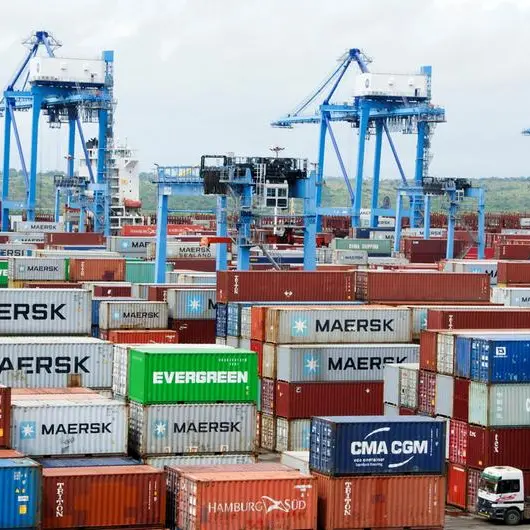
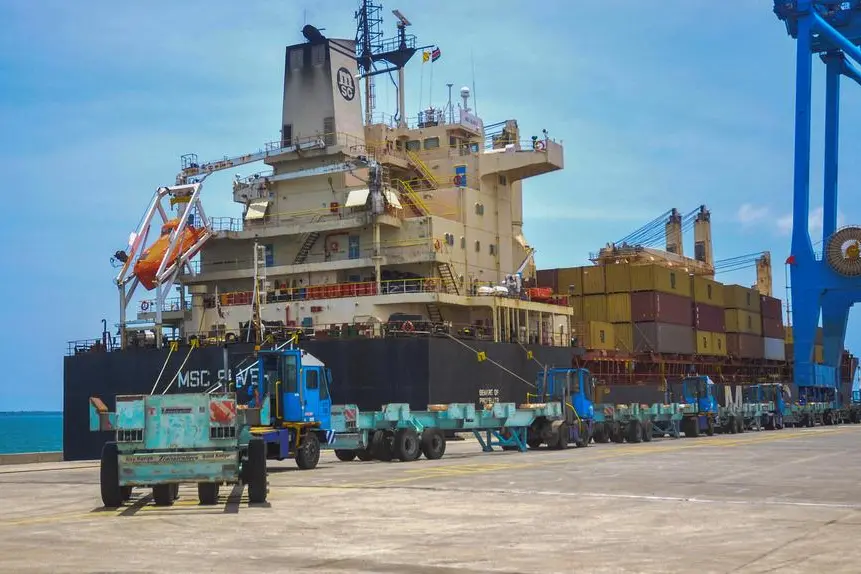
amu Port, on Kenya’s northern coast, has not always been a magnet for energy investors. However, this week, Nigerian billionaire Aliko Dangote put it firmly back on the map after indicating that it could host a planned oil refinery worth about $17 billion.
The scale of investment could revive Lamu’s role as a potential anchor for the Lamu Port-South Sudan-Ethiopia Transport Corridor (Lapsset), a project conceived by the three countries more than a decade ago but whose full realisation has long remained uncertain.
Under the plan announced in March 2012 by the leaders of Kenya, South Sudan and Ethiopia, Lapsset was meant to provide an alternative trade corridor, using Lamu Port as an entry point for goods into the hinterlands of the Horn of Africa. It was to include a modern port, highways, railway lines, an oil pipeline and airports, all worth about $29 billion then. So far, only three berths of the planned 24 at Lamu port have been built at a cost of $700 million, and it has struggled to attract business.
“I have asked the Deputy President, Kithure Kindiki, to chair the government committee that is going to work with private investors and employers on what will be one of the largest investments in our country: the investment in the East African oil refinery,” Ruto said after signing the Sovereign Wealth Bill into law.
The cost of building the refinery is expected to be borne by Dangote Industries Ltd, mainly through internally generated funds, bond issues and proceeds from a planned initial public offering (IPO).
The project is intended to provide a secure supply of refined petroleum products to a region that depends almost entirely on imports from the Gulf, leaving it vulnerable to frequent disruptions.
East African countries have seen pump prices rise sharply after the Strait of Hormuz was closed during the conflict. Ruto, however, says not everyone sees the bigger picture.“I had a chat with Dangote yesterday, and he was telling me how much resistance has been built by the people we are buying fuel from now because they want us to continue buying their fuel,” Ruto said.
He did not name the opponents, but the region has long relied on refined products from the Gulf, receiving at least nine million barrels of refined oil a month, based on estimated daily consumption figures provided by the respective energy authorities. These countries spend a combined total of about $700 million a month on refined petroleum products, including liquefied petroleum gas.
Dangote’s refinery is projected to process about 700,000 barrels per day, making it the largest refinery in East Africa. The plan has, however, been the subject of regional political debate. When it was mooted in April, President Ruto suggested it be built in Tanga, Tanzania, which is also expected to be the receiving port for the East African Crude Oil Pipeline (Eacop) from Uganda’s Albertine basin.
However, Ruto found himself in diplomatic difficulty after announcing the proposal without first consulting his Tanzanian counterpart, Samia Suluhu Hassan. She later publicly reprimanded him when they met in Dar es Salaam.
Ruto had campaigned for the refinery for several months. According to him, he sent his economic advisers around the continent to study the case for building one. One such visit was to Dangote’s Lagos refinery, a new facility that now produces 650,000 barrels per day and cost $20 billion to build. They learnt that a refinery would be more successful if it had a regular supply of crude, a ready market and facilities to transport its products. Lamu Port has a deep harbour, and Kenya has better infrastructure to serve the market, Dangote reasoned.
But Lamu is also political territory. Government officials were pushing back against opponents of the project this week, arguing that it could transform the region’s fortunes. Captain Abdulaziz Mzee, the Lamu Port general manager, urged residents and local leaders to back the investment, saying it would unlock economic opportunities for the county and the wider region.
© Copyright 2026 Nation Media Group. All Rights Reserved. Provided by SyndiGate Media Inc. (Syndigate.info).