PHOTO
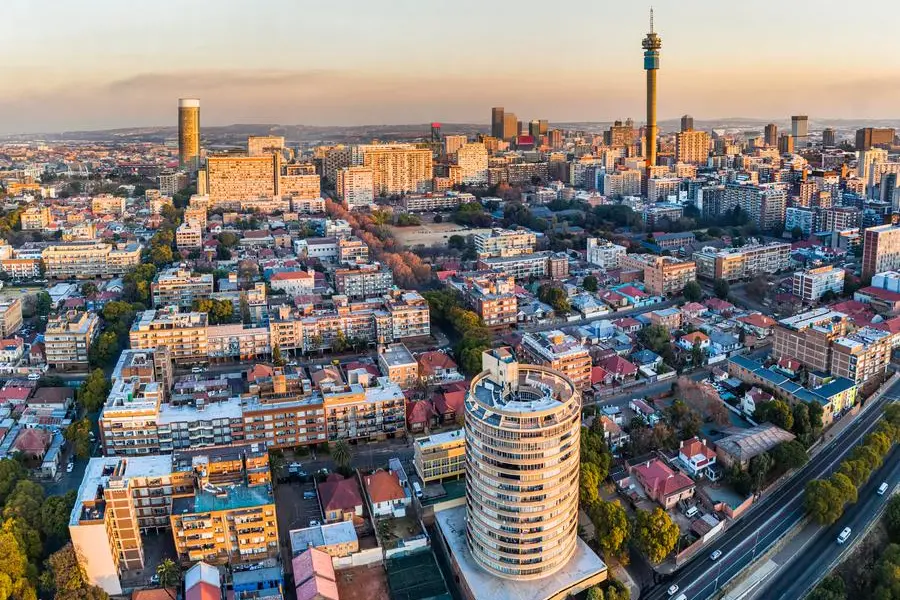
JOHANNESBURG - South Africa's Shoprite Holdings expects profit for the second half of last year to rise by up to 10.2%, lifted by strong festive season demand, the country's biggest grocer said in a preliminary estimate on Monday.
The retailer sees headline earnings per share from continuing operations rising by 5.2% to 10.2% in the six months ended on December 28, 2025 from a restated 659.8 cents.
Group sales rose by 7.2% from a year earlier to 136.8 billion rand ($8.40 billion), with South African supermarket sales up 7.1% as all of Shoprite's food and non-food chains reported growth.
In the October-December quarter, including the key Christmas shopping season, group sales rose by 6.5% from a year earlier.
Like-for-like sales in South Africa rose just 1.9%, "reflecting an environment of prolonged selling price inflation decline which moved into deflation during our key November to December 2025 trading period," Shoprite said.
Outside of South Africa, where Shoprite has 272 stores across seven African countries, sales rose by 12.1%.
Shoprite is due to publish final results for the second half of 2025 on March 3.
BATTLE FOR AFFLUENT CUSTOMERS
Shoprite's update, follows one from Woolworths, and they show that the biggest supermarket group and leading upmarket grocer, respectively, continue to outperform the wider grocery market as both invest in premium food offerings at a time when consumers are looking for conveniently prepared meals.
Shoprite is also focusing on value as household budgets remain tight.
"In support of customer affordability, our selling price inflation continued to remain well below official food inflation which measured 4.7% for the six months versus our internal selling price inflation which averaged 0.7% for the period," Shoprite said.
Citing data from consumer insights company NielsenIQ, Shoprite said growth in the group's South African supermarkets business was 2.3 times the "rest of market" growth.
Checkers, Shoprite's upmarket chain competing with Woolworths for mid-to-high income shoppers, saw sales rise 8.9%, supported by price inflation of 1.9%, and 1.1% inflation in its hyper stores.
Its price rises were more modest than at Woolworths, which reported that its food business, which it said has been increasing market share, saw sales rise by 7% in the second half of last year, with average price inflation of 4.6%.
($1 = 16.2880 rand)