PHOTO
Gulf stock markets tumbled on Thursday as investors assessed efforts by the U.S. and Iran to de-escalate tensions through talks over Tehran's nuclear programme, even as both sides stepped up military activity in the region.
The White House said on Wednesday that this week's Geneva talks with Iran yielded modest progress, though gaps persisted on certain issues. Officials noted that Tehran is anticipated to return with additional details within the next two weeks.
According to the U.S. Federal Aviation Administration website, Iran has issued a notice to airmen announcing planned rocket launches across southern regions on Thursday between 0330 GMT and 1330 GMT.
Satellite images show that Iran has recently built a concrete shield over a new facility at a sensitive military site and covered it in soil, experts say, advancing work at a location reportedly bombed by Israel in 2024 amid tensions with the U.S.
The U.S. has positioned warships in proximity to Iran, with Vice President JD Vance stating that Washington is considering whether to maintain diplomatic talks with Tehran or explore "another option."
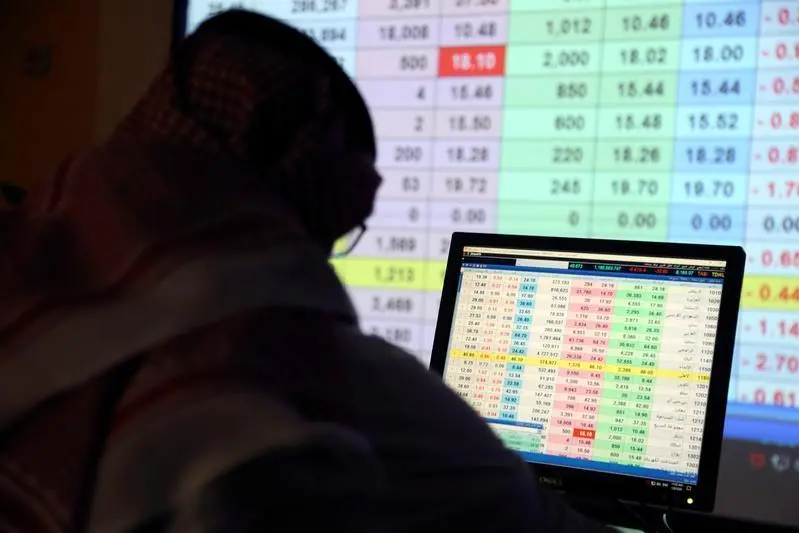
Saudi Arabia's benchmark stock index declined 1.9%, dragged down by a 2.9% fall in Al Rajhi Bank and a 2.1% decline in the country's biggest lender, Saudi National Bank.
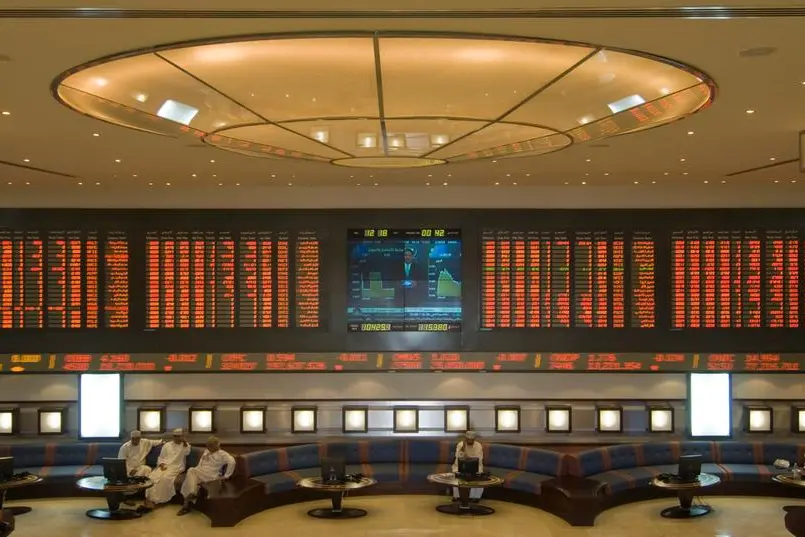
Gulf Cooperation Council stock markets experienced fresh selling pressure on Thursday as rising geopolitical tensions triggered risk aversion throughout the region. Markets that had earlier gained from strong fourth-quarter earnings results are now contending with mounting geopolitical uncertainties, said Milad Azar Market analyst at XTB MENA.
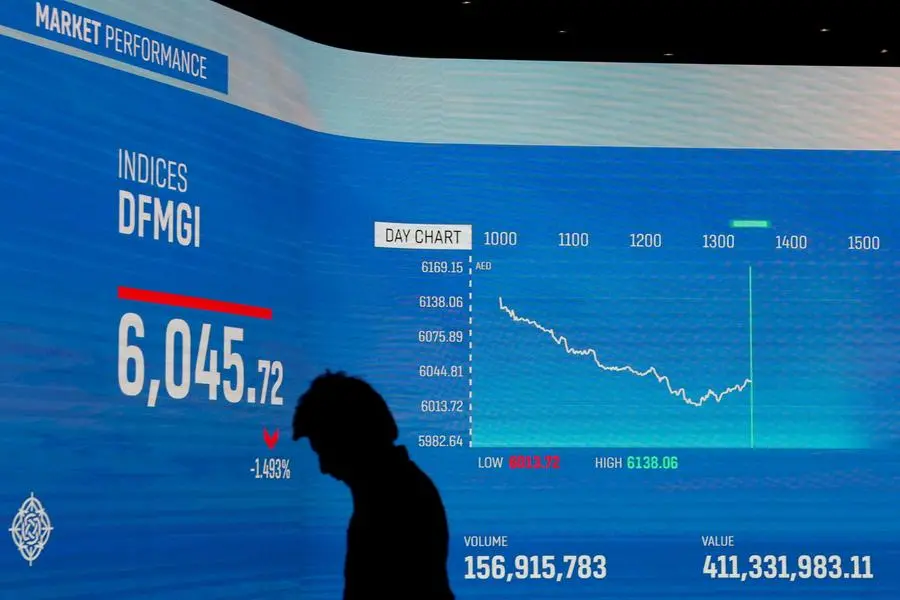
Dubai's main share index tumbled 2.3%, with blue-chip developer Emaar Properties losing 2.7% and top lender Emirates NBD retreating 1.9%. Despite Dubai's strong economic growth projections and sound market fundamentals, geopolitical headwinds continue to stall the momentum needed to sustain an upward trajectory, added Azar.
In Abu Dhabi, the index slid 1.4%. According to Azar, the current market volatility and possible spikes in oil prices may provide some support, their ability to meaningfully boost overall market performance is presently constrained.
The Qatari index tumbled 1.6%, as almost all its constituents were in negative territory. Qatar National Bank was down 1.6%.
Outside the Gulf, Egypt's blue-chip index declined 3% - its biggest intraday fall since June.
- Saudi Arabia dropped 1.9% to 10,947
- Abu Dhabi declined 1.4% to 10,609
- Dubai tumbled 2.3% to 6,608
- Qatar retreated 1.4% to 11,229
- Egypt slid 3% to 50,668
- Bahrain was down 0.2% to 2,065
- Oman lost 0.9% to 7,225
- Kuwait fell 1.1% to 9,246
(Reporting by Ateeq Shariff in Bengaluru; Editing by Subhranshu Sahu and Shailesh Kuber)