PHOTO
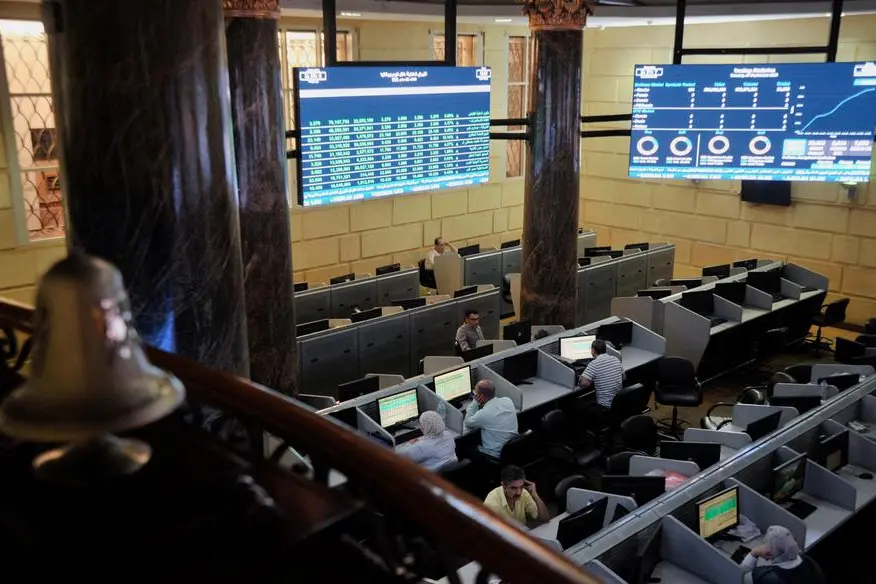
LONDON/SINGAPORE - European stocks dipped from a record high on Thursday and U.S. futures flatlined as fears about AI disruption ebbed but tensions between the United States and Iran kept markets on edge and supported oil prices and gold.
Elsewhere, Asian equities rose overnight and the U.S. dollar found a footing after minutes from the Federal Reserve's latest meeting showed policymakers were in no rush to cut rates.
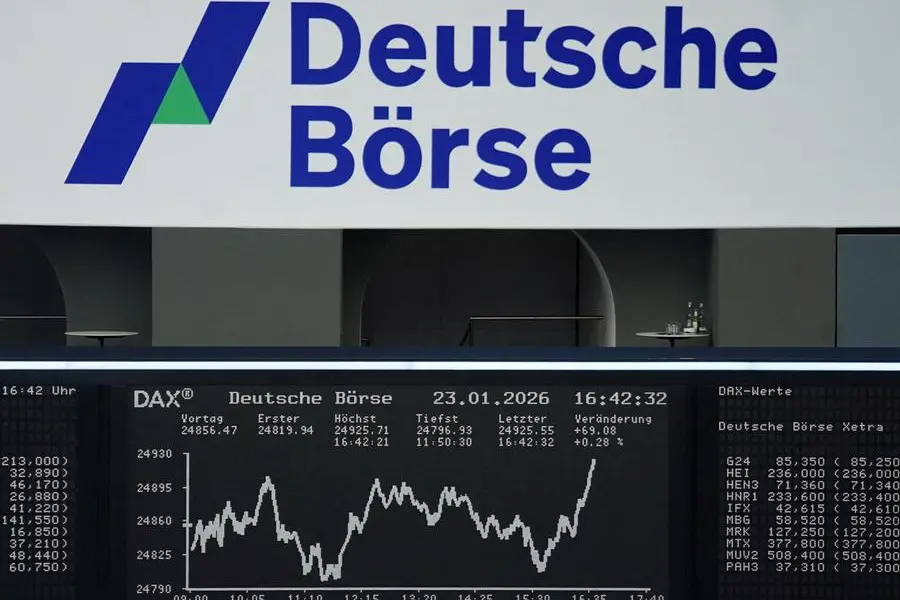
Europe's STOXX 600 index slipped 0.24% as shares in planemaker Airbus and miner Rio Tinto fell after they reported earnings.
The index hit a record the previous day as a rally in defence and banking shares helped investors shake off worries about AI disrupting companies.
Futures for the U.S. S&P 500 and tech-focused Nasdaq were little changed.
MSCI's index of Asian-Pacific stocks excluding Japan rose 0.38%, although trading was thin with markets in Hong Kong, China and Taiwan closed for the Lunar New Year holiday.
RESILIENT US ECONOMY
"Risk assets overall are OK because they read through those Fed minutes," said Chris Turner, global head of markets at lender ING.
"The Fed's talking about a resilient U.S. economy which is good for global growth," he said. "Equities have been doing quite well in Asia."
Wall Street rallied on Wednesday, driven by Nvidia saying it signed a multi-year deal to sell Meta Platforms millions of artificial intelligence chips.
"We needed some good news. I think there has been a general feeling of malaise in the tech sector," said Tony Sycamore, a market analyst at IG, referring to a steep selloff earlier this month.
He said Nvidia, the world's most valuable company, which reports earnings next week, was potentially coming to the rescue of U.S. stocks.
GEOPOLITICS AND FED IN FOCUS
Oil prices extended gains after surging in the previous session, as investors priced in potential supply disruptions on concerns of a conflict between the U.S. and Iran.
U.S. outlets including the New York Times and CNN reported the build-up of American forces around Iran, although they stressed President Donald Trump had not decided on a course of action.
Brent crude oil futures were up 1.5% at $71.42 a barrel - the highest since late January - after jumping 4.4% in the previous session. U.S. crude rose 1.6% to $66.26.
"The balance of risks now tilts to a U.S. strike after market close Friday," said Michael Every, senior global strategist at Rabobank, adding that any attack is likely to last weeks rather than "being over by the Monday open".
Gold, traditionally a safe-haven asset, rose 0.8% to $5,017 an ounce.
The dollar slipped slightly after rallying in the wake of better-than-expected U.S. economic data and as minutes of the Fed's January policy meeting revealed several policymakers were open to rate hikes if inflation remains elevated.
The dollar index, which tracks the currency against six major peers, was last down 0.11% after climbing 0.59% on Wednesday.
"From our perspective, the (Fed) minutes support our view that rate cuts are off the table for the foreseeable future," said Charlie Ripley, senior investment strategist at Allianz Investment Management.
"Policymakers specifically noted disinflation could be on a slower path."
(Reporting by Harry Robertson in London and Rae Wee in Singapore; Editing by Kim Coghill, Shri Navaratnam and David Holmes)