PHOTO
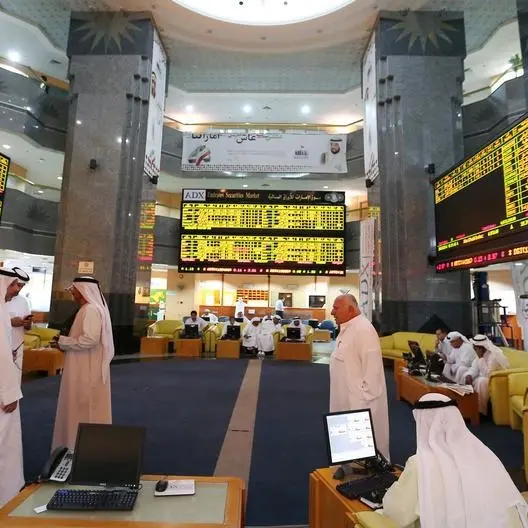
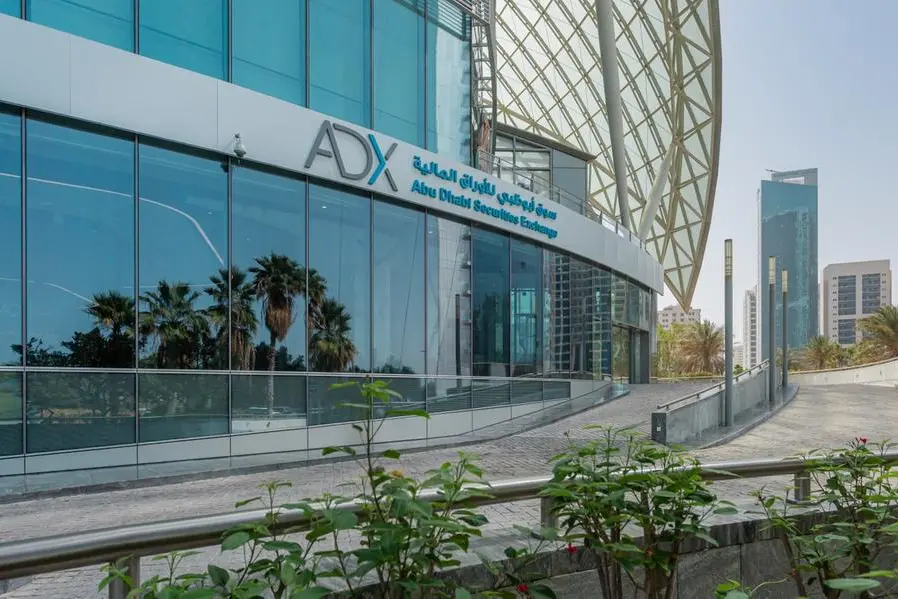
ABU DHABI: Abdulla Salem Alnuaimi, Chairman of the Arab Federation of Capital Markets (AFCM) and Group Chief Executive Officer of Abu Dhabi Securities Exchange (ADX), affirmed that the Arab region possesses strong fundamentals, including robust sovereign balance sheets, clear growth drivers and supportive political will, positioning it as a stable destination for long-term capital investment in an increasingly uncertain global environment.
He noted that the federation is working to establish an institutional framework that translates these strengths into sustained market confidence.
Alnuaimi, recently appointed Chairman of AFCM, told the Emirates News Agency (WAM) that the appointment reflects growing confidence in the advanced level reached by Arab capital markets overall, not only the Abu Dhabi Securities Exchange or the UAE, adding that the trust placed in him by member exchanges represents a responsibility he approaches with a clear vision and firm commitment.
He said UAE capital markets have developed on solid foundations and through a clear methodology, supported by the leadership. ADX has adopted a model based on strong institutional pillars and continuous innovation, helping to cement its position among the world’s most active financial markets. This is reflected in the inclusion of its indices in MSCI and FTSE benchmarks, the development of post-trade infrastructure, and the expansion of financial products and services.
He added that, in his capacity as Chairman of AFCM, he aims to leverage these experiences regionally by advancing a shared agenda focused on accelerating market development, strengthening institutional confidence, and reinforcing the role of Arab capital markets in shaping the global financial system.
He said Arab capital markets are undergoing a pivotal transformation, noting that achievements made over the past five years were once considered long-term goals spanning 15 years.
He explained that this transformation reflects a shift from markets dominated by retail investors and local focus to those increasingly driven by institutional investors and more integrated with global markets. He noted that the wave of initial public offerings in GCC countries demonstrated the ability of Arab markets to attract listings of international scale and impact, drawing significant investor interest.
He added that this progress is reflected in the quality of listed companies, the depth of demand in subscription books, and the development of regulatory and supervisory frameworks. At the same time, maintaining this momentum remains a priority, with enhanced market connectivity, more harmonised regulatory frameworks, and the expansion of fixed income and derivatives markets set to accelerate in the coming phase.
He stressed that the transformation is already underway but must be comprehensive across the region rather than concentrated in a limited number of markets, noting that his role is to ensure balanced and sustainable progress across all Arab markets.
He explained that markets are operating in an environment marked by continued volatility, global monetary policy recalibration, and rapid technological transformation reshaping competitive dynamics in financial markets. These, he said, are structural factors that will continue to shape the landscape in the years ahead.
He noted that fragmentation remains the most prominent internal challenge for Arab markets, whether in infrastructure, regulatory frameworks, data standards or cross-border connectivity. Addressing these gaps is a strategic priority, given the scale of Arab economies and the depth of their sovereign liquidity.
He added that the Arab Federation of Capital Markets plays a central role in this context by developing flexible and forward-looking regulatory visions that enable markets to compete for the next generation of financial products and attract a broader base of investors.
He outlined three main priorities during his tenure, enhancing market integration, strengthening competitiveness, and ensuring tangible outcomes from the federation’s work.
On integration, he said the focus will be on improving connectivity between markets, developing mutual recognition frameworks, and unifying listing and disclosure standards across Arab exchanges, forming the foundation for an integrated Arab capital market capable of attracting and retaining international institutional capital.
On competitiveness, efforts will centre on supporting member exchanges in developing advanced product ecosystems, including derivatives, deepening sukuk markets, establishing frameworks for digital assets, and expanding tools aligned with environmental, social and governance standards.
He stressed that markets offering a comprehensive suite of investment instruments for institutional investors will be best positioned to attract regional and global capital flows in the coming phase.
Regarding institutional excellence, he said the federation will invest in research, capacity building and knowledge infrastructure to enhance performance across member markets, noting that the strength of the federation lies in the collective strength of its members.
He affirmed that Arab capital markets possess the capabilities and ambition to build a system with sustainable global impact, which is the level he aims to achieve during his tenure as Chairman of the federation.