Emerging market slowdown and a crude oil glut may be some of the major risks facing the global economy, according to major Wall Street banks.
Both developments may be damaging for Middle East economies that are increasingly reliant on emerging markets for crude oil and natural gas exports, and are looking eastwards in places like China, India and Thailand for growth.
All eyes are on China as it looks to embark on new economic policies that focus more "quantity of growth" rather than "quality of growth."
"In 2009, when the export-led growth story stalled, China managed to continue its growth path but with a stellar growth rate in credit creation," HSBC said in its outlook for 2014. "If external demand remains subdued and credit creation wanes, this could cause the growth engine overall to stall."
If the Chinese economic train halts, it could lead to a collapse in commodity prices, triggering a sell-off in many commodity-exporting countries.
"A sharp loss in growth would accelerate capital flows away from China, but also from EM [emerging market] more broadly, as investors seek relative momentum plays," HSBC said. "Given the dependence on a healthy China in many EM economies (particularly for commodity producers), a slowdown in China would be a wider EM problem."
PIMCO, which runs the world's largest bond fund, says domestic demand in China will likely slow somewhat as a clampdown on extraneous investment feeds through the economy and the central government's focus shifts away from "growth at any cost." 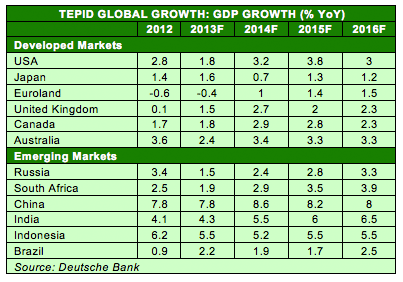
"China, from an external perspective, promises to look and feel like a different economy in the year(s) ahead," said Saumil H. Parikh, portfolio manager at PIMCO. Greater focus on China's household demand and less focus on its industrial demand will change China's impact on the global economy slowly but surely. "We expect about 7% growth in China next year."
Other emerging markets may take their cue from China, but have their own structural challenges to overcome. India, Brazil, South Africa and Russia are battling their own growth challenges and need reform and structural changes to stimulate growth.
Deutsche Bank calls 2014 as a "negative year in prospect but underperformance should slow" in emerging markets.
GLUT AND GROWTH
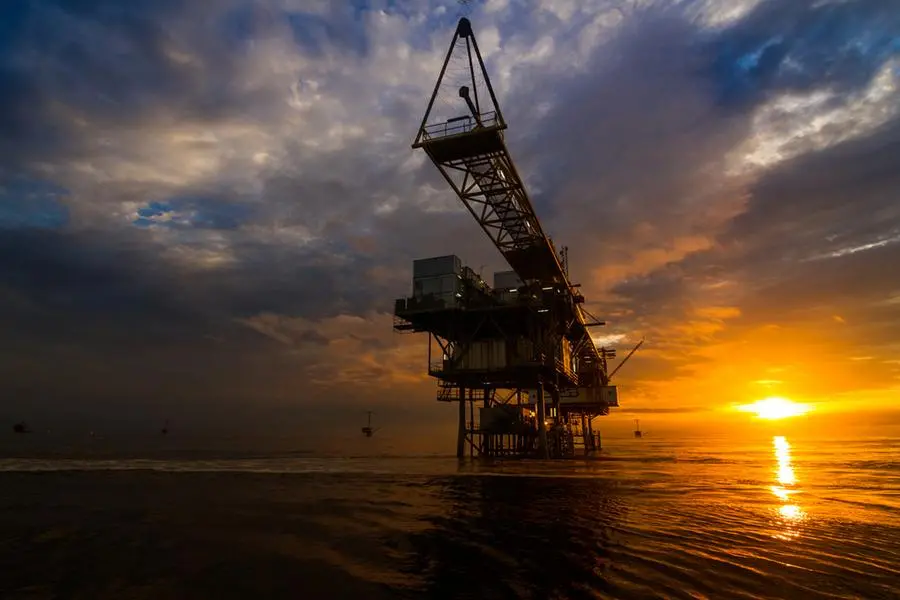
Tepid growth in emerging markets would lead to lower crude oil demand globally. At the other end of the market spectrum, Middle East exporters are also bracing themselves for a supply glut flowing in from a variety of sources.
Libya, Iraq and Iran, which had seen their production falter in 2013, are expected to ramp output back up. In addition, crude oil from Canada, the United States and Brazil, among others, is expected to rise, adding to inventory levels at a time of subdued demand. Altogether, as much as two million barrels per day of new supply may come into the market next year.
Faced with an abundance of supply, Deutsche Bank has cut Brent crude price to USD 97 per barrel -- a USD 10 drop from its previous forecast.
"We expect downside risks to the oil price may require OPEC to cut production to defend oil prices," the German bank said. "Given our upbeat outlook for world growth we would view any attempts by OPEC to defend the oil price as likely to be successful."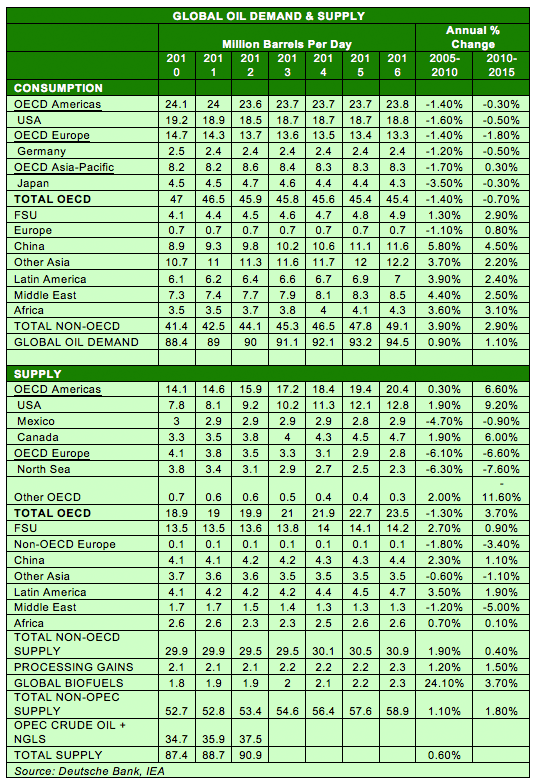
HSBC concurs that OPEC reaction and particularly how much GCC production plans would dictate prices. "If, as in 2008, OPEC countries delay cutting production, then oil prices could drop below USD 90 per barrel. In addition, non-OPEC production is expected to rise over the next few years."
While lower oil prices may offer some relief to the global economy, it would have "meaningful negative consequences" for oil producers, especially the Middle Eastern states particularly at risk, pushing most countries from surplus into deficit and threaten to disrupt growth and potentially even the political stability of the region.
"For the pivotal state of Saudi Arabia, our MENA economist believes a drop to USD 90 per barrel would be just about manageable: certainly, its surplus would turn to deficit, but with FX reserves equivalent to more than two and a half years' worth of public spending, this looks affordable at least for now. Any move below this - particularly on a sustained basis - would be more painful," said HSBC.
QE UNCERTAINTY
Middle East and other emerging market policymakers will also be keeping a close eye on the US Federal Reserve's next steps. The central bank is widely expected to start unwinding its generous quantitative easing (QE) program next year, especially as data from the US economy continues to improve.
A taper would likely lead to a sell-off in bonds and global equity markets, as investors come to terms with the end of a loose monetary policy that has fed their growth.
Deutsche Bank notes that investors are currently fixated on the impact of potential shifts in fund flows on emerging market financial assets, through the Fed tapering policy, but the real risk may be elsewhere.
"We are starting to see a greater reluctance by foreign investors to put money to work in EM because they are increasingly focusing on the underlying structural issues, which up to now have been much more obvious at a corporate micro level than in the macro-economic aggregates.
The sudden break in correlation between developed market and emerging market equities at the start of 2013 preceded talk of Fed tapering by several months and was the direct result of investors beginning to discount more favorable structural factors for the US against the bulk of the emerging market universe, Deutsche said.
"The biggest risks are in those economies with weak hard budget constraints, often as a result of a dysfunctional relationship between the state and the corporate sector, as the absence of enforceable exit mechanisms ultimately undermines returns on capital."
© alifarabia.com 2013