10 August 2010
Tunisia is on track to radically change the way its cargoes are carried, with the government looking to invest up to $5.5bn in a high-speed rail link with neighbouring Libya and Algeria that is intended to boost regional trade and integration.
Tunisia already has an extensive rail grid, including light-rail passenger systems in major urban areas with main-line passenger and freight lines connecting cities and logistics centres such as the ports network.
While having well over 2100 km of mainline tracks, more than a quarter of these are of a different gauge to the rest of the network, reducing operational efficiency. Furthermore, only a small percentage of the mainline grid is electrified, while the process of duplicating sections of the network to speed up two-way travel has made limited progress.
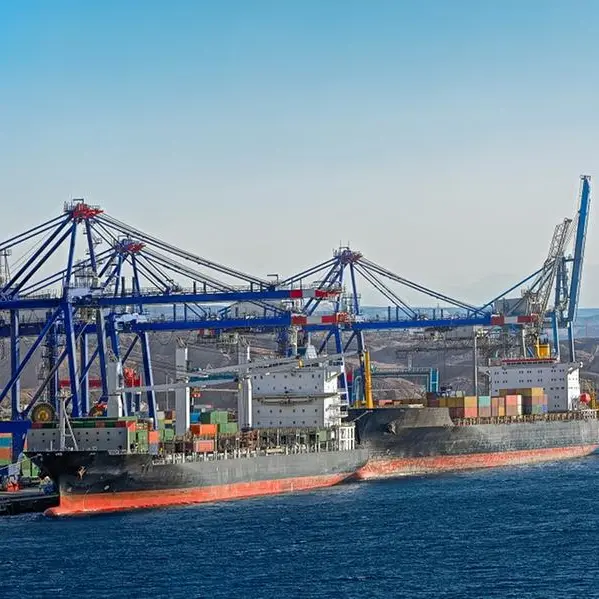
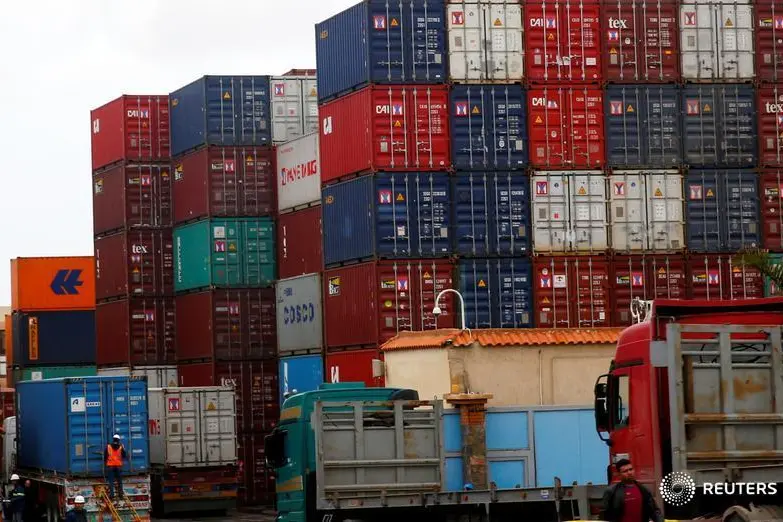
Although the country benefits from a solid rail backbone, Tunisian firms still only make limited use of the services provided by the Tunisian National Railways, with less than 10% of all freight movements being made by rail. With successive governments having invested heavily in improving the country's road network and with the vast majority of Tunisia's international trade - an estimated 95% of all imports and exports - being carried by sea, rail has become a weaker link in the logistics chain.
All of this is set to change over the next decade though, with the state ramping up spending on internal rail services and committing to a massive infrastructure project to connect Tunisia with its Maghreb neighbours.
At the end of May, a summit hosted by the Tunisian Transport Ministry and the Tunisian Industry, Trade and Handicrafts Union brought together representatives of the state rail authorities of Algeria, Libya, Morocco, Mauritania and Tunisia to discuss a high-speed Maghreb rail network.
The proposed trans-Maghreb high-speed line is to link Casablanca with Tripoli via Algiers and Tunis, connecting the capital cities and major transport hubs of the region by rail in order to facilitate both passenger and cargo movement. Tunisia's share of this project involves the construction of 780 km of line and the related support infrastructure.
Tunisia has been a strong supporter of the project, which it regards as a fast track to improved trade with the region and in international markets. According to Chokri Mamoghli, Tunisian secretary of state for foreign trade, the Maghreb has a leading role to play in the transport sector, serving as it does as a bridge between Africa and Europe, and the Mediterranean in the east and the Atlantic Ocean in the west. As such, it is vital that a more efficient and modern transport infrastructure be put in place, as this would promote competitiveness on both a national and regional level, Mamoghli told the conference.
When completed, the trans-Maghreb railway project will provide the cheapest means of transportation in terms of cost and time, said Mamoghli.
One of the key issues facing the cross-border project is agreeing on technical specifications such as track gauge and standards. Tunisia's transport minister, Abderrahim Zouari, said the best way to overcome any potential obstacles would be to form a body consisting of experts from each of the Maghreb countries tasked with exchanging information and sharing expertise.
Delegates also recommended that efforts be made to control logistics costs in the region, which are relatively high when compared to Europe, and to incorporate rail transport into the Maghreb logistics promotion strategy, providing storage space in line with international standards, and creating logistics spaces, zones and hubs in public railway areas.
While these recommendations have been made at the Tunis summit, the issue is how fast they will be implemented. It has already taken some time to get the Maghreb rail project on track. As early as 2007, the region's transport ministers had agreed in principle on the route the line would take, but since then the project appears to have been shunted aside as priority was given to improving road links between the neighbouring countries.
Of course, the project is not a silver bullet to improving regional trade and investment. Currently, trade between the members of the Arab Maghreb Union is around 3% of the combined total of five countries comprising the bloc. Though construction of a modern high-speed rail link will serve to improve Tunisia's connections with its neighbours, other issues, including political disputes between Algeria and Morocco, have limited regional economic integration.
Tunisia is on track to radically change the way its cargoes are carried, with the government looking to invest up to $5.5bn in a high-speed rail link with neighbouring Libya and Algeria that is intended to boost regional trade and integration.
Tunisia already has an extensive rail grid, including light-rail passenger systems in major urban areas with main-line passenger and freight lines connecting cities and logistics centres such as the ports network.
While having well over 2100 km of mainline tracks, more than a quarter of these are of a different gauge to the rest of the network, reducing operational efficiency. Furthermore, only a small percentage of the mainline grid is electrified, while the process of duplicating sections of the network to speed up two-way travel has made limited progress.
Although the country benefits from a solid rail backbone, Tunisian firms still only make limited use of the services provided by the Tunisian National Railways, with less than 10% of all freight movements being made by rail. With successive governments having invested heavily in improving the country's road network and with the vast majority of Tunisia's international trade - an estimated 95% of all imports and exports - being carried by sea, rail has become a weaker link in the logistics chain.
All of this is set to change over the next decade though, with the state ramping up spending on internal rail services and committing to a massive infrastructure project to connect Tunisia with its Maghreb neighbours.
At the end of May, a summit hosted by the Tunisian Transport Ministry and the Tunisian Industry, Trade and Handicrafts Union brought together representatives of the state rail authorities of Algeria, Libya, Morocco, Mauritania and Tunisia to discuss a high-speed Maghreb rail network.
The proposed trans-Maghreb high-speed line is to link Casablanca with Tripoli via Algiers and Tunis, connecting the capital cities and major transport hubs of the region by rail in order to facilitate both passenger and cargo movement. Tunisia's share of this project involves the construction of 780 km of line and the related support infrastructure.
Tunisia has been a strong supporter of the project, which it regards as a fast track to improved trade with the region and in international markets. According to Chokri Mamoghli, Tunisian secretary of state for foreign trade, the Maghreb has a leading role to play in the transport sector, serving as it does as a bridge between Africa and Europe, and the Mediterranean in the east and the Atlantic Ocean in the west. As such, it is vital that a more efficient and modern transport infrastructure be put in place, as this would promote competitiveness on both a national and regional level, Mamoghli told the conference.
When completed, the trans-Maghreb railway project will provide the cheapest means of transportation in terms of cost and time, said Mamoghli.
One of the key issues facing the cross-border project is agreeing on technical specifications such as track gauge and standards. Tunisia's transport minister, Abderrahim Zouari, said the best way to overcome any potential obstacles would be to form a body consisting of experts from each of the Maghreb countries tasked with exchanging information and sharing expertise.
Delegates also recommended that efforts be made to control logistics costs in the region, which are relatively high when compared to Europe, and to incorporate rail transport into the Maghreb logistics promotion strategy, providing storage space in line with international standards, and creating logistics spaces, zones and hubs in public railway areas.
While these recommendations have been made at the Tunis summit, the issue is how fast they will be implemented. It has already taken some time to get the Maghreb rail project on track. As early as 2007, the region's transport ministers had agreed in principle on the route the line would take, but since then the project appears to have been shunted aside as priority was given to improving road links between the neighbouring countries.
Of course, the project is not a silver bullet to improving regional trade and investment. Currently, trade between the members of the Arab Maghreb Union is around 3% of the combined total of five countries comprising the bloc. Though construction of a modern high-speed rail link will serve to improve Tunisia's connections with its neighbours, other issues, including political disputes between Algeria and Morocco, have limited regional economic integration.
© Oxford Business Group 2010