Sub-Saharan Africa's growth rate over the past decade is impressive but it is based on picking "low-hanging fruits" and modification of faulty policies, rather than paradigm policy shifts, according to International Monetary Fund.
Progress in achieving significant structural transformation and diversification of production and exports has been modest, the IMF said, in its latest critique on the region's economic performance.
"Productivity growth in agriculture has been high in relatively few countries. Manufacturing sectors--the driver of growth in most versions of the "Asian miracle"--have shown dynamism in very few cases. Service sector growth has seen the expansion of high productivity sectors (such as telecommunications) but also of low-productivity informal sector activities."
Sub-Saharan Africa has been lauded for being home to some of the fastest growing economies in the world, but the region's economic performance falls short when compared to performance of Asian and Latin America regions during their heydays.
Sub-Saharan African real GDP grew an annual rate of 6.4% from 2004-08, and has since been averaging around 5.5% over the past few years.
While the region has benefited from a strong focus on improving business frameworks in certain countries and the development of democratic reforms, and debt relief that allowed many countries to focus on infrastructure spending rather than loan repayments.
While some of the growth is driven by resource demand over the past year, many non-resource rich countries such as Burkina Faso, Ethiopia, Mozambique, Rwanda, and Uganda, have also made impressive gains through good government policies.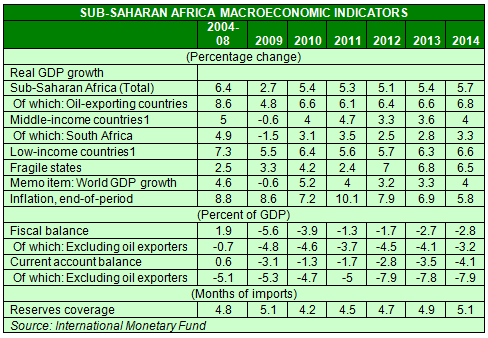
WHAT'S HOLDING AFRICA BACK?
South Africa's lack of economic progress is a key reason for SSA's moderate growth levels. The region's largest economy is maturing and is caught in structural political quagmire that has limited growth levels.
Growth is also moderating among other countries. GDP growth in Leading emerging markets in the region that are covered by the Institute of International Finance -- South Africa, Nigeria, Kenya, Tanzania, Zambia, Ghana, and Côte d'Ivoire -- averaged 4.6% in the five -year period 2008-2012.
"Together these seven countries make up about 65% of the region's GDP. However, the average growth rate is dragged down by South Africa, the most globally integrated country in the region, which fell into recession in 2008 and is still to restore more dynamic growth," the IIF said.
"If South Africa is excluded, the average growth for the other six countries is substantially higher at 6.5% and compares favourably with growth in other regions of the world. Only Asia/Pacific, at 7.5%, has grown faster over the past five years."
In addition, countries such as Ivory Coast and Democratic Republic of Congo have been affected by internal conflict and enfeebled governments that have pulled back living standards.
"Leaving aside oil exporters, low-income countries not classified as fragile have experienced above-average growth by regional standards, averaging annual growth of 5.5% during 1995-2010, as compared with 3.4% for other non-oil SSA economies and 1.8% for fragile states," the IMF said.
INFRASTRUCTURE IS KEY
Much of the growth in the region remains driven by resource economies and an over-dependence on mining and oil and gas sector.
Nearly 84% of Nigerian exports are focused on oil, while precious metals and minerals make up 47.9% of South African exports, 36.3% of Tanzania's export.
In addition, 63.7% of Ghanian exports are either crude oil or previous metals, and copper alone makes up 67.8% of Zambia's exports.
That leaves many of the country beholden to commodity prices which are trending lower as Chinese growth moderates.
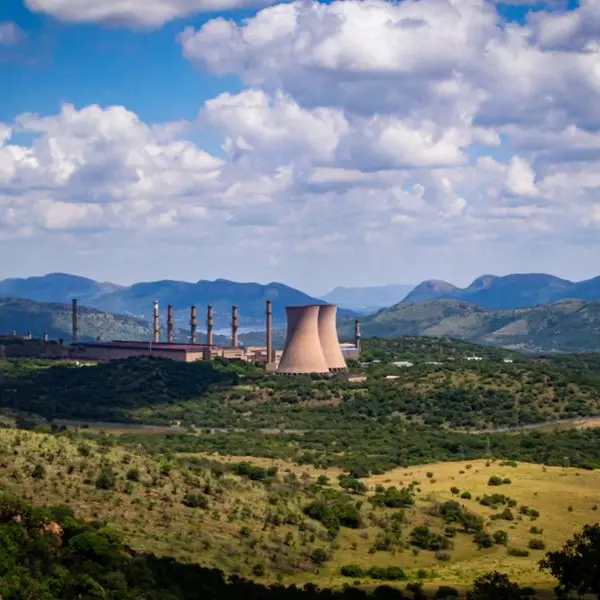
Diversifying away from export-oriented growth to domestic-driven economy will require massive investments in infrastructure - notably power
"This structural weakness is not limited to insufficient generation, but also includes poor transmission and reliability of supply," the IIF notes.
"This results in high costs, both for governments, which subsidize electricity tariffs for the poor (adding to fiscal burdens) and for businesses, which often have to rely on expensive diesel generators (whose running costs can be up to three times higher than "conventional" sources) to cover power outages."
Overall, the continent loses around 3% of its GDP per annum due to power constraints, the IIF said.
FOUR KEY AREAS OF REFORM
The IMF believes SSA countries need to focus on four key areas to secure the next wave of growth:
1. POWER: Infrastructure deficits, notably in electricity provision and transportation, will need to be overcome. Countries will need to find financing vehicles to fund the massive demand for power without raising their debt levels.
"The financing of infrastructure projects (or any long-term investment) has become more challenging in today's changing financial regulatory environment," the IIF said. "Financing 20- or 30-year infrastructure projects may prove to be less attractive for banks under Basel III as high risk weights are placed on long-term assets."
2. LABOUR: Skill/productivity levels will need to be improved, including through better education and basic health services.
3. AGRICULTURE: Promoting agricultural development, key to ensuring growth is inclusive, will require policy initiatives to improve water management and access to fertilizers, new seeds, and knowledge--pointing to the need to build capacity to deliver such services.
"Inadequate investment in infrastructure and resultant supply bottlenecks have restricted growth and development in more labour intensive sectors such as agriculture and manufacturing," the IIF concurred.
4. PRIVATE SECTOR: Private sector expansion at a pace needed to absorb the labour force in higher productivity jobs will require significant improvements in the business climate, "including further deregulation and active measures to strengthen judicial systems, professionalize tax administration, and appropriately target measures to enhance access to finance in a sustainable manner for small to midsized enterprises."
SSA's future growth is not guaranteed. Many African countries are muddling through reforms and managed by authorities that are in danger of becoming complacent after some early progress.
"Of course, maintaining the track record of sounder macroeconomic management, greater reliance on markets over administrative controls, and expanded integration with the international economy will remain essential if the current pace of growth is to be sustained," the IMF said.
© alifarabia.com 2013