The Bahraini government and the International Monetary Fund seem to be at odds in their assessment of the country's economic progress. The Bahrain Economic Development Board (BEDB) expects real GDP growth to rise to 5.3% in 2013, compared to the IMF's more subdued 4.4% growth.
Furthermore, the IMF expects Bahrain's GDP growth to trend even lower to 3.3% in 2014, compared to the government's rosier 4%.
The BEDB notes that first quarter saw a decelerated growth of 3.3% compared to the same period last year.
"This compared to year-on-year expansion of 5.4% in 4Q12. Nonetheless, growth in Q1 was positive across the non-oil economy, led by 6.2% YoY in social and personal services, 4.8% in transportation and communications, and 4.2% in government services."
Bahrain-based Securities and Investment Company estimates the Bahraini economy grew by 4.7% in the first half of the year, driven mainly by the non-financial sector.
Business sentiment has been subdued in Bahrain as the country grappled with its own version of Arab Spring. Riots and protests between the country's Shia majority and the Bahraini regime, has marred investment in the country that has a long and distinguished history of being a regional financial hub and is often considered one of the freest economies in the world with a strong regulatory environment.
In September, Moody's Investors Service cut the country's sovereign rating and suggested that more cuts may be on the way.
"The negative rating outlook reflects the high degree of event risk, particularly regarding Bahrain's susceptibility to domestic and regional geopolitical instability, as well as potential negative impact from an oil price shock," Moody's said in a statement.
RECOVERY IN THE OFFING
While most of the political issues still remain unresolved, the economy has got back on its feet to a degree, but the exuberance palpable in other Gulf states is missing. Analysts expect the country's economic forecast trend far below the average growth rates of 6.3% achieved annually during the 2000s.
Unlike other Gulf states, Bahrain also suffers from weak finances. The Bahraini Cabinet approved a budget for fiscal year 2013/14 with a deficit of BHD 833 million this year (USD 2.2 billion) - a figure that's expected to rise to BHD 914 million next year. The cabinet also rejected a proposal for a 15% increase in public sector salaries.
That may have been a wise move as the government needs to rein in spending. Indeed, Bahrain's debt will exceed 60% of GDP by 2018.
"A combination of weaker growth and higher interest rates could, in Moody's view, jeopardize government debt sustainability." 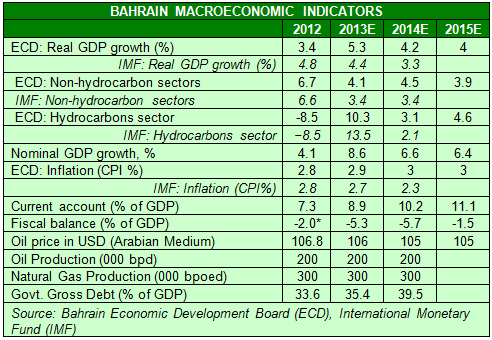
OIL REVENUES RETURN
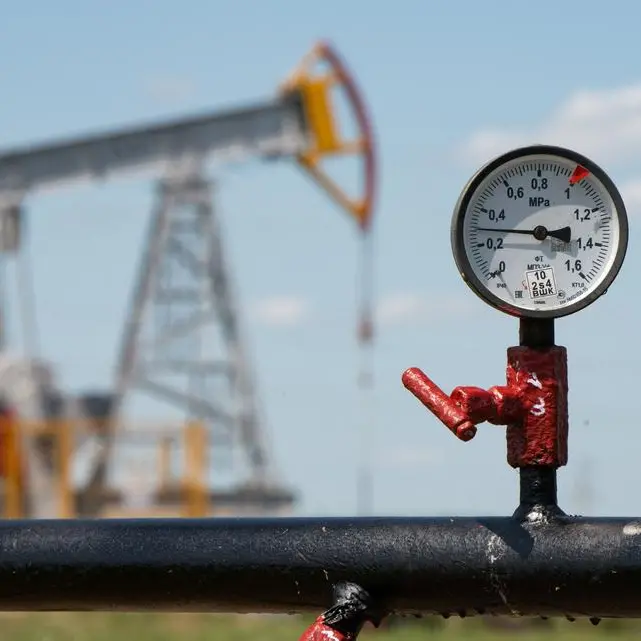
Growth this year has been buoyed by the return of Abu Sa'afa oil field, which saw its production decline 13.3% last year due to a prolonged unscheduled maintenance.
Abu Sa'afa's return to form saw overall production grow 8% year-on-year in the first quarter with production at Abu Sa'afa around 96% of its 150,000 barrels per day capacity.
"Bahraini offshore oil production is expected to remain at capacity during the second half which should give an annual average production of at least 96.7% of capacity," said EDB. "This in combination with gradual progress in the Bahrain Field, can be expected to translate into an oil sector rebound of more than 10% this year."
But Moody's notes that the country's high breakeven oil prices make it especially vulnerable to an oil price shock. Bahrain's breakeven oil price is estimated to be around USD 109.5 per barrel, slightly lower than the US D118.70 estimated by the IMF.
"Given the budget's significant dependence on oil revenues, Bahrain's government finances are less flexible and its shock-absorption capacity is lower than that of its regional and global rated peers," the ratings agency said.
SUBDUED NON-OIL SECTOR
While Bahrain's economy is more diversified than its regional neighbors, the non-oil sector is not exactly firing on all cylinders.
"The somewhat more subdued performance of the non-oil economy in the spring has gone hand in hand with some loss of momentum in bank lending," said the board, noting that the annual rate of increase of retail bank credit decelerated from 6.8% in March to 4.7% in June. "Total balance of outstanding loans has remained flat, declining somewhat from BHD 7,033 [million] in March to BHD 7,030.1 [million] in May and up to BHD7,100.1 [million] in June."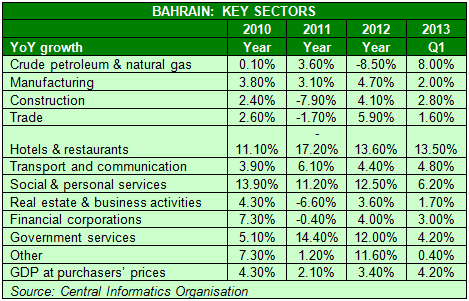
SICO notes the non-oil economy has remained lethargic for much of the past few years.
The construction sector has remained flat over the past 18 quarters, although the manufacturing sector perked up with a 2% year-on-year growth in the first quarter. Lending to construction sector has also declined, underlining the lack of activity in the sector.
However, the launch of a government-supported housing program -- a third of Bahrain's GDP -- should improve the construction sector's prospects.
"This will potentially be supported by lending growth, with higher lending toward the construction sector and government-related entities. As a result, the financial sector's contribution to overall real GDP growth is expected to surpass its 1H13 levels of 11%," SICO said.
The bank also expects the services sector to pick up, thanks to investments in the hotel and tourism sector after a few years of turmoil.
"As investments in the hotel and tourism sector pick up, with a number of hotels under construction, we expect a long-term upward movement in the services' sectoral growth following the completion of the projects. However, over the second half of 2013 and 2014, the flat growth trend in the services producing sectors is unlikely to witness a significant change."
© alifarabia.com 2013