Egyptians are looking to Abdel Fattah al-Sisi to breathe life back into the economy following his victory in presidential elections, but analysts say the former field marshal is unlikely to pursue bold structural reforms.
So far observers have not been impressed with the lack of clarity in Sisi's agenda to break away from a lethargic economic system weighed down by a bloated bureaucracy and loss-making state enterprises.
Sisi took more than 90% of the vote according to provisional results, Reuters quoted judicial sources as saying, but voter turnout was lower than expected.
"Unfortunately, President Sisi is unlikely to turn on an establishment that helped him rise to the top leadership, and there is no political constituency of any significance in Egypt that is advocating for such reforms," George Abed, director for Africa and the Middle East at the Institute of International Finance, wrote in a recent note to clients.
GDP growth remains tepid, clocking around 2.1% in the 2012/13 fiscal year, and is forecast to grow 2.3% this year as the economy lacks direction, according to the International Monetary Fund (IMF). The Egyptian authorities are more hopeful, projecting growth of 3.2% this year and a fiscal deficit of 12% of GDP for 2014/15, according to a draft budget submitted to the interim president.
OSSIFIED SYSTEM
"President Sisi will inherit a political and economic system that is years past its expiration date," Abed said. "An ossified political system dominated by a corrupt state-sponsored party and an antiquated economic system weighed down by a bloated bureaucracy and loss-making state enterprises."
"Having missed out on the fundamental reforms that the forces of open trade and globalization have forced on many emerging market countries, Egypt's growth has lagged that of its peers for decades."
The IMF notes that despite two stimulus packages of a combined 3% of GDP, both real GDP and private investment growth have been weak due to a further fall in tourism receipts, a decline in energy production, and frequent power outages. The unemployment rate has climbed up to 13.4%, while inflation has remained in double digits and the poverty rate has risen to 26.3%.
CAUTIOUS AND GRADUAL REFORM
Egyptians are hoping Sisi's relative popularity - or at least acceptance of his rule -- would give him license to launch reforms, revamp bloated public sector companies and breathe new life into the economy.
"However, if President Sisi chooses not to challenge the state's hegemony, Egypt could revert to the conditions of slow growth and growing discontent. The consequences of such an outcome would be both serious and ironic," Abed said.
"For failing to meet the public's high expectations that Egyptians had pinned on him, President Sisi could find himself at the end of this period of relief, facing the same crowds in the streets of Cairo in whose name he claimed the reins of power in the first place."
Some modest steps have come about. Prices of household water and natural gas have been raised and a temporary additional 5% tax on annual income in excess of EGP1 million has been implemented.
But "front-loaded reforms" are unlikely, according to Jean-Michel Saliba, analyst at Bank of America Merrill Lynch, noting that official pronouncements so far reveal common economic themes such as fighting corruption, reducing poverty and illiteracy, social justice, debt reduction, for instance.
"They also suggest that the pace of more arduous economic reforms, particularly subsidies, is likely to remain cautious and gradual, in our view. In part, this is likely needed in order to preserve political capital early on in the presidential term," Saliba commented.
"This would however suggest continued reliance on GCC support, rather than on IMF conditionality-linked funds, in order to bridge the fiscal and external financing gaps, in our view."
BREATHING ROOM
The IMF said in a recent report that while financial support from Gulf Arab countries had provided a breathing space, Egypt still faces a difficult combination of persistently low growth, a high budget deficit and external vulnerabilities.
The Egyptian government had denied resumption of stalled negotiations with the IMF for loans and aid, but analysts expect authorities to return to the table.
"At some point, the Gulf and multinational donors will advise recourse to the IMF and this could augment these modest reforms. A program with the IMF will also catalyze substantial additional funds from other potential donors," Abed said.
Businesses are hoping that Sisi's election would at least bring some form of stability to the country, which alone could spur economic activity. Private and international investors are waiting on the sidelines as they asses the country's political landscape, and may be tempted to dip their toes, if Sisi can bring some calm and normalcy to the proceedings.
"The medium-term priorities should be achieving higher and more inclusive growth while rebuilding fiscal and external buffers, said the IMF.
"Streamlining regulations and improving access to financing could help unleash private investment. At the same time, addressing impediments in the electricity and transport sectors would help boost economic activity and provide more equal access to jobs and business opportunities for all segments of society."
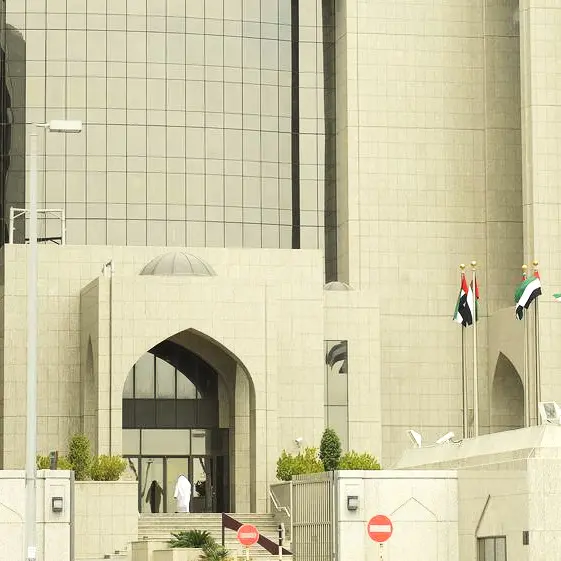
Cairo-based Pharos Research expects the Central Bank of Egypt to cut interest rates by 50bps on May 29 to contain the expansion of public debt and stimulate public and private sector investment.
Of course, the new president could embark on bold reforms that could return Egypt to the days when it was an emerging market investor's darling and clocked growth rates north of 5%.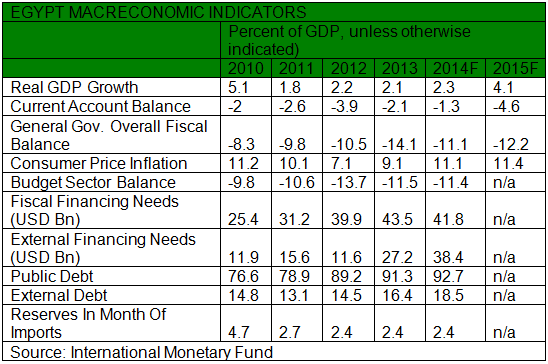
The feature was produced by alifarabia.com exclusively for zawya.com.
© Zawya 2014