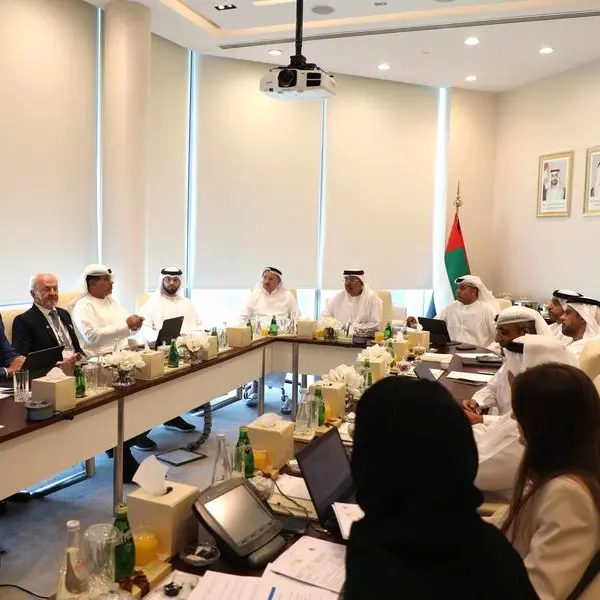
The Shoura Council discussed yesterday the conditions and welfare of Saudi teachers teaching in private schools in the Kingdom.
The council's committee on academic affairs and research had submitted its recommendations on the Ministry of Education' annual report which was tabled on Sunday.
The seventh ordinary session of the council was presided over by Shoura Council Chairman Dr. Abdullah Al-Asheikh yesterday.
Deleting a clause from one of the recommendations forwarded by the committee, the house said the committee failed to explain the reasons for the number of Saudi teachers opting to work in private schools and the number of Saudi teachers in the private sector who take up jobs in public schools.
The members said Saudi teachers in private schools should only be absorbed by the public sector on completion of an academic year for their existing employers. Such an arrangement will not affect the education of the children, the house said.
It was pointed out during the discussion that Custodian of the Two Holy Mosques King Abdullah had specifically directed concerned authorities to offer attractive financial benefits to local teachers in private schools. The Human Resources Development Fund also helps these teachers in private schools with regard to training and development.
Shoura Council Secretary General Dr. Abdullah Al-Ghamdi said the council approved amendments to a few articles of the Convention on Arab Shipbuilding and Repair Yards, drawn up by the Organization of Arab Petroleum Exporting Countries (OAPEC).
The amendments were made when the council heard a report from its committee on economic affairs and energy.
OAPEC was founded in Beirut on 1 January 1968 by Kuwait, Libya and Saudi Arabia. The aim of the three founding countries was to protect their interests and to coordinate their oil trade, with the long-term objective of fostering economic integration amongst Arab countries.
OAPEC now includes 10 members: Algeria, Bahrain, Egypt, Iraq, Kuwait, Libya, Qatar, Saudi Arabia, Syria and the United Arab Emirates. These countries account for about one quarter of the total world oil production.
Al-Ghamdi said on Sunday the council urged the Ministry of Health to set uniform standards for the assessment of performance in health services. The council wanted the Health Ministry to submit draft proposals to the council's members.
Reviewing a report from the Ministry of Education, the house requested the government department to conduct periodic inspections of all public and private schools in the Kingdom to ensure safety, including the fire-fighting equipment available in education institutions.
The council also approved a draft agreement between the Kingdom and Mexico's ministries of foreign affairs in the field of political consultations.
© Arab News 2012