It may appear to be the best job in the world, but it does come with its unique set of challenges.
Sheikh Tamim Bin Hamad Al Thani took over from his father the reins of a country that has none of the fiscal or debt challenges facing most other countries in the world.
Unemployment is negligible, social turmoil is unheard of and the economy is assured of a number of sizeable long-term revenue generators.
Plus, there is a long list of economic projects and activities under way, including the prestigious FIFA World Cup, which Qatar will host in 2022. In fact, projects worth USD 183 billion are already in the pipeline, according to Qatar National Bank.
But there is no time to relax, as the tremendous gains made by his father Sheikh Hamad Bin Khalifa Al Thani could be surrendered pretty quickly if the new emir takes his foot off the pedal.
Here are some of the challenges facing Sheikh Tamim:
NATURAL GAS: THE NEXT CHAPTER
Sheikh Hamad accelerated the monetization of Qatar's natural gas riches after ousting his father and it turned out to be his secret weapon.
Soaring gas revenues allowed the country to move away from its small oil production and gave Sheikh Hamad the confidence to find his own voice in regional events.
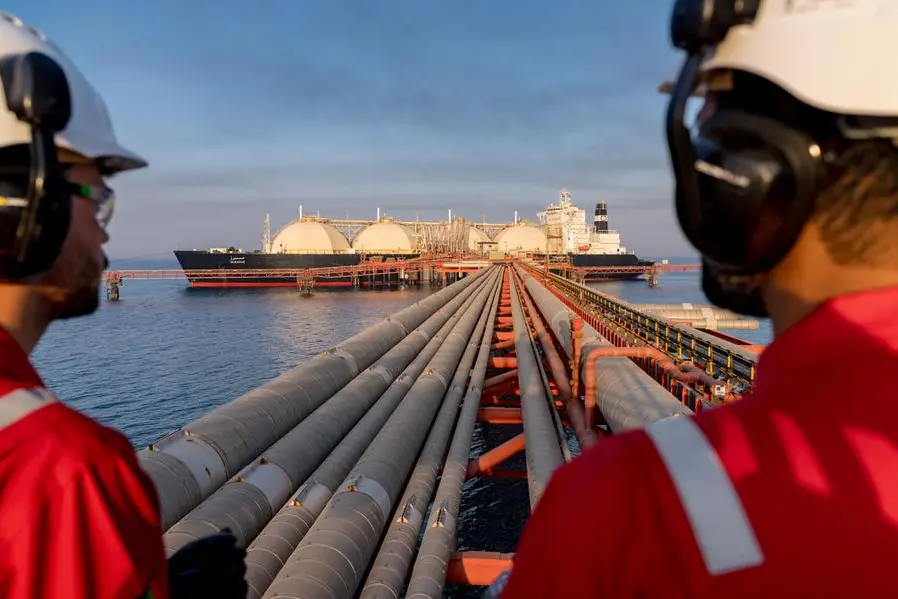
Inviting major oil and gas players and securing long-term contracts with Asian economies, Qatar has seen its fortunes soar multi-fold. Exports have soared from USD 67 billion in 2008 to USD 133 billion in 2012.
The onus is now on Sheikh Tamim to write the next chapter of Qatar's natural gas sector. The natural gas and liquefied natural gas (LNG) sector has changed dramatically over the past 20 years and Qatar's position may no longer be assured.
Analysts expect Australia to take over Qatar as the world's largest LNG exporter before the end of this decade.
And there are as many 25 natural gas exporters vying for European and Asian markets, including major players such as the United States and Canada, thanks to their shale gas riches.
In addition, the shale gas find in places like China and the United Kingdom may dampen enthusiasm for imports in those countries, which could hurt Qatar's future prospects.
How the emir finds opportunity in the new gas market will be crucial for the long-term prosperity of the country.
NON-OIL ECONOMY: PRIVATE OR PUBLIC DRIVERS?
Qatar's Vision 2030 plan envisions a very well-diversified Qatari economy that is not completely dependent on oil and gas revenues.
While the country is in the midst of the major non-oil investment drive, much of it is directed by the government rather than the private sector.
For all of the government's ambition, the role of the private sector remains limited and there are no entrepreneurial champions in the country - yet.
The emir's greatest achievement could be creating a business and legal ecosystem that allows a thriving business community and a number of private sector champions to emerge.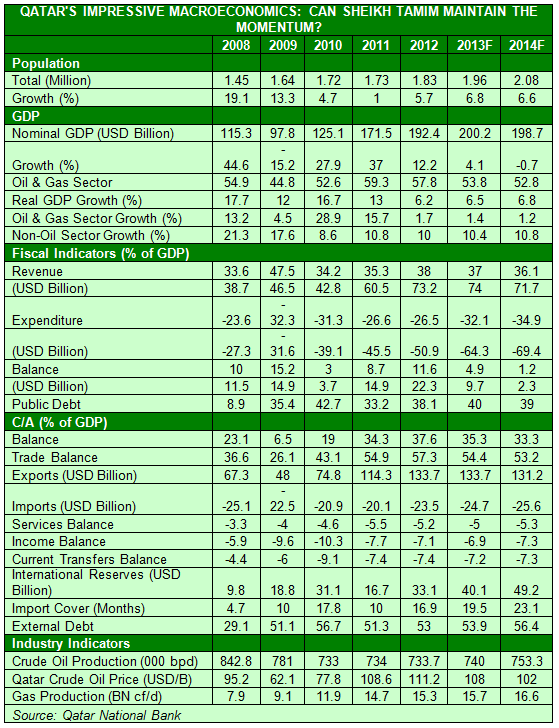
2022 WORLD CUP: ACHIEVING THE GOALS
Qatar will be the first Arab and Muslim state to hold the high-profile football World Cup in 2022.
While Sheikh Hamad was instrumental in getting the games to Doha, Sheikh Tamim's task, nine years from now, will be to ensure they are held with all the customary fanfare without any major delays to the project or cost overruns.
A successful World Cup could effectively give Doha a permanent status as one of the global tourism hot spots and give the country unprecedented coverage.
The 2014 Sochi Winter Olympics debacle in Russia is a prime example on how cost can go completely out of control, rising from initial estimates of USD 12 billion to USD 50 billion.
Whether the emir can marshal all his resources and create projects under budget would also be crucial in determining the tournament's success or failure.
SOCIAL & POLITICAL REFORMS: ROOM TO GROW?
By transferring power to his son peacefully and voluntarily, Sheikh Hamad has already created history in the region.
But despite much talk of greater transparency and accountability, the country remains far from democratic.
Will Sheikh Tamim, who is considered more conservative than his father, take the necessary steps to include the larger Qatari population in political and social dialogue?
A move towards greater political reform would certainly set him apart from other regional monarchies.
FOREIGN POLICY: INTERVENTIONIST, MUCH?
Under Sheikh Hamad, Qatar played an outsized role in regional politics. Helping Libyan rebels militarily and financially, aiding Muslim Brotherhood in Egypt and funding Syrian rebels, has positioned Qatar alongside larger neighbor Saudi Arabia as one of the key influencers in the region.
Will these policies come back to haunt Qatar?
The new emir has reportedly been behind some of Qatar's foreign policy moves and analysts don't expect the government to change its interventionist policies in the region.
In fact, it is certain that Qatar will chart its own political agenda, which may be sometimes at odds with Saudi Arabia.
"We are not part of any regional trend against any other," said Sheikh Tamim in his maiden speech as emir. "Qatar is committed to its promises and relations, but we have a vision and we don't wait for orders from anyone."
But there are already signs Qatar may have overplayed its hand. Its unflinching support of the Muslim Brotherhood has not helped its reputation among Egyptians who believe that Qatar is interfering in the country's democratic process.
Will Qatar remain a neutral broker and mediator in the region? This could be Sheikh Tamim's greatest challenge.
GLOBAL OUTLOOK: QATAR'S PLACE IN THE WORLD
At a more benign level, Qatar is also trying to position itself as a sophisticated investor and a connoisseur of culture. Where other investors have recoiled and fled, various Qatari investment bodies have hand-picked assets across the world.
The Doha Securities Market's elevation as an emerging market in the MSCI index fuels Qatar's image as an emerging capital-rich outlier in the mold of Singapore, Hong Kong and Dubai.
But will Qatar focus on meaningful long-term investment or further seek trophy assets?
© alifarabia.com 2013