Ghana's minister for finance and economic planning Seth Terkper issued a clear warning earlier this month that the Ghanaian economy is suffering and may need help from the International Monetary Fund, underlining the scale of the country's economic problems.
The dramatic downturn in Ghana's economy, often seen as an economic star in Africa, highlights the vulnerabilities of many emerging countries that have faltered after reaching a certain level of development.
Thanks to rapid economic progress and democratic processes, Ghana had attained the status of a low-middle income economy in 2011, with its GDP per capita rising from USD 275 in 2000 to USD 1,605 by 2012. Poverty levels had also halved within 15 years for its population of 25 million.
The export of crude oil in recent years added another revenue stream to Ghana's exports that included cocoa and gold.
But the economy has suffered due to mismanagement and a downturn in commodity prices.
Cedi (GHS), the Ghanaian currency, has depreciated dramatically in the past 18 months, and the country has large fiscal and current account deficits.
"Ghana's economy is looking increasingly vulnerable as the currency sell-off continues in 2014, while financing costs have risen," said Ridle Markus, analyst at Barclays Capital in the latest report on the country.
"Thus far, a clear strategy to address macroeconomic imbalances is still lacking. Meanwhile, rising inflation suggests further monetary policy tightening is likely."
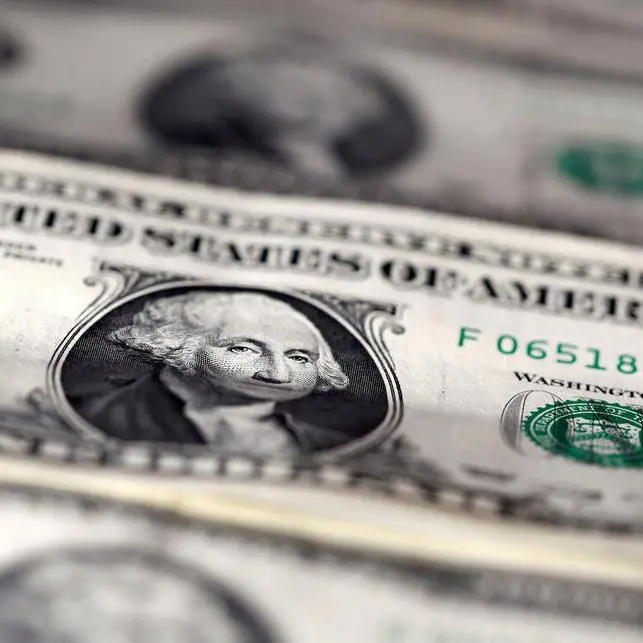
The cedi fell 20% against the American dollar in 2013, and has declined a further 7% in the first quarter of 2014, with regulatory changes having had a limited impact on the currency. The cedi has fallen from 2.18 per USD in 2010 to 2.75 by the end of 2013.
"Fundamental factors are unfavorable, with the current account deficit expected to remain in double digits this year (-12.3% of GDP in 2013). We believe weak fundamentals will continue to weigh on the currency despite tighter monetary policy.
"On balance, we project the cedi to weaken further to 2.90/USD by year-end," Barclays said. "Following the 200bp increase in the policy rate in February 2014, market yields reversed their easing trend, which lasted for most of the second half of 2013."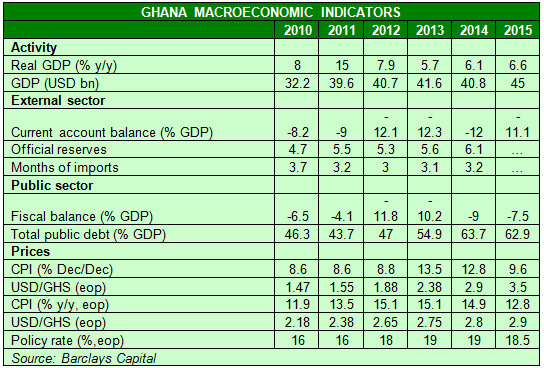
GDP CRUNCH
The fiscal and monetary pressures means Ghana's GDP grow is forecast at 5.7% annually over the next three years, compared to annual 8.1% growth enjoyed in the past five years.
"Financing the deficit is becoming increasingly challenging and costly, with yields on Treasury-bills and one-year bonds jumping to 23% at the latest auction, while the government opted not to issue five-year debt due to punitive rates on offer," said Fitch Ratings, which has the country on negative outlook.
Ghana's large budget deficit is adversely impacting economic stability, with the current account deficit and inflation firmly in double digits, Fitch noted.
"The current account deficit and strong domestic demand for dollars have exerted sharp pressure on the exchange rate, which fell 20% in 2013 and a further 10.6% this year, contributing towards inflation accelerating to 13.8% in January 2014 from 6.1% in June 2013. Fitch expects inflation to average 15% in 2014."
The country's 2014 budget does little to rein in the fiscal deficit. The budget targets a deficit of 8.5% of GDP and defers by a year (until 2016) its target deficit of 6% of GDP.
"Fitch maintains the view that the pace of fiscal consolidation will be slower than the government projects," the rating agency, forecasting a deficit of 9.3% of GDP for 2014, narrowing to 8.2% in 2015.
REVENUE UNDERPERFORMANCE
The economy has suffered due to poor management and adverse economic conditions. Prices of key exports such as gold and crude oil have fallen, while 'intractable' expenditure on wages and interest have widened the budget deficit to 10.8% of GDP in 2013, higher than the authorities' target of 9%. Combined with currency depreciation, government debt has risen to 61.8% of GDP in 2013 from 48.9% in 2012.
The government's credibility has also suffered after repeated deficits and its inability to contain higher public sector wages under a new system. Minister Terkper is awaiting a report on the wage issue before taking action, while the government proposed a moratorium on wage increases in its most recent budget.
"The reality is that more urgent action is needed to address the country's large fiscal deficit, which was 10.2% of GDP in 2013," Barclay's Ridle said.
While the minister is under pressure to show some fiscal consolidation, analysts worry that some of the measures taken to improve revenue collection and contain spending (e.g. by reducing various subsidies) may not be adequate to stabilize public finances.
"The 2014 budget shows a 17.7% y/y increase in fiscal spending, and the fiscal deficit target remains a large 8.5% of GDP. The government's problem is not just the issue of the size of the fiscal deficit, but also its history of being missed to the upside; the credibility of government's policies will be weakened further if fiscal slippages continue."
Alarmed by the rapidly deteriorating economy, the International Monetary Fund has cautioned the authorities to take "urgent measures to address macroeconomic imbalances," adding that, despite recent measures, additional fiscal savings are required to address short-term vulnerabilities, contain rising public debt and reduce interest rates.
"The success of the government's ambitious transformation agenda is contingent on restoring macroeconomic stability," the IMF said in its report on the country in late February.
GOLD AND OIL OUTPUT DOWN
The country's real growth slowed to 0.5% in the third quarter of 2013 (the latest figures available) due to a decline in production of agriculture, oil and gold.
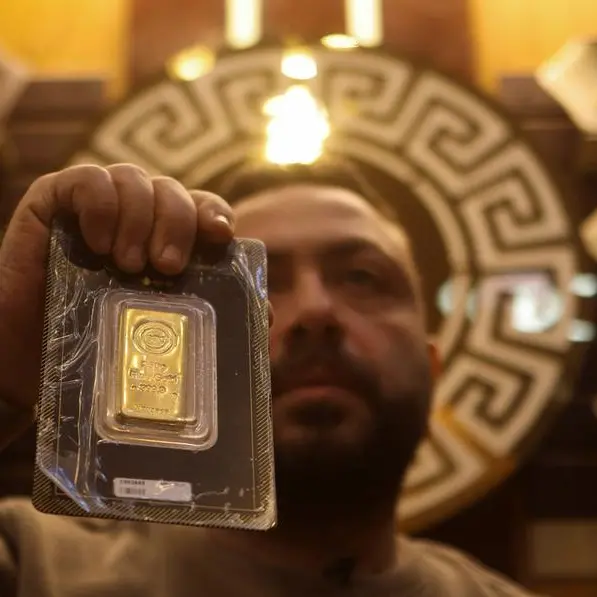
Gold output has fallen recently as miners cut production to rein in costs, which led to job losses for nearly 4,000 people. While gold prices have received a boost in recent months, they remain well below their all-time highs of USD 1,900 per ounce.
The country's crude oil production also remained below target due to technical problems preventing full output being reached.
Ecobank, a Pan-African bank based in Togo, notes that cocoa output for the 2013/14 season has started strongly, with deliveries 16% above last season by mid-January, however, exports fell steadily from 0.07 million tons in August to around 0.02 million tons by December last year. Cocoa prices have rebounded from recent lows but have yet to reach high of USD 3,470 per ton seen in early 2011.
"Ghana has successfully diversified its export base by commencing oil exports from early 2011," Ecobank said in its latest report on the West African country. "However, growth in supply of US shale oil/gas poses risk to Ghana's G3 export revenues in 2014 despite likely rise in oil demand from Asia/China. Falling global gold prices and uncertain cocoa price outlook also pose challenges to export earnings."
Gold and oil account for 50% of total export revenues and a further drop in prices could add more pressure to foreign exchange reserves.
After a tough 2013, the country's outlook for this year may not improve given weaker gold and oil production.
"Moreover, economic growth may be dampened further by the increasing cost of living amid rising inflation and tighter monetary policy," Barclays Ridle said. "The continued focus on expanding infrastructure and improved agriculture output is likely to provide some impetus to growth in 2014, which we project at 6.1%."
The feature was produced by alifarabia.com exclusively for zawya.com.
© Zawya 2014