Saudi Economy Remains Sound Despite Global Uncertainties, Says BSF
Saudi Arabia’s economic outlook has changed minimally compared with six months ago, Banque Saudi Fransi (BSF) said in a 14 June report. BSF maintains its GDP growth forecast at 3.9% for 2010, climbing to 4.2% in 2011. However, it cut its oil sector expansion forecast to 3.6%, while raising the projection for government sector GDP growth to 4.6%. Government financed infrastructure expansion is building momentum on the ground and the bank believes sufficient domestic catalysts exist to support a reasonable economic recovery this year, despite tenuous global circumstances.
The report notes that new data from the Central Department of Statistics and Information (CDSI) show the government has revised 2009 real GDP growth to 0.6% from 0.2% as the global economy shrank 0.6%. The oil sector contracted by 6.7% in 2009, higher than a previous estimate of 6.4%. The private sector’s rate of growth, however, was a full percentage point faster than previous estimates, reaching 3.5% last year. Saudi bank credit soared 27% in 2008 and private sector expansion was only 1.2% faster than it was in 2009, says BSF. Hence, the propensity of private firms to draw on existing capital resources was high. While oil export and non-oil export revenues will rise modestly in 2010 and 2011, import costs are also climbing as the kingdom places greater reliance on foreign foodstuffs, manufactured goods and building materials. “This, along with a notable rise in workers remittances and other transfers out of the country, is likely to level pressure on the Saudi current account balance in the medium term,” maintains the report. Remittances by Saudi-based expatriates rose 20.3% in 2009 from a year earlier to SR94.5bn ($25.2bn). Between 2005 and 2009, money remitted home from workers in the kingdom increased by 84%. BSF said preliminary 2009 data from the Ministry of Labor show that 6.21 million non-Saudis were employed by the private sector, up 15.2% from 2008 and almost 30% above 2006 levels. Saudi Arabia’s unemployment rate reached 10.5% in 2009, up from 10% a year earlier, as market conditions tightened.
BSF is also revising its annual oil price forecast to $76/B from $78/B. With oil above $70/B, Saudi Arabia stands poised to post a budget surplus for the year, although it is likely to be smaller than BSF’s January assumption of SR77.9bn ($20.8bn) or 4.8% of GDP. Saudi Arabia’s level of domestic debt was 16% of GDP in 2009, and it is expected to fall to 13% this year, due to a rise in the nominal economy and the net paying off of state debt. BSF expects foreign assets will stand at SR1.62 trillion ($432bn) by the end of the year – they stood at SR1.55 trillion ($413bn) in April – thus enabling the kingdom to support expansionary spending in the medium term. The state is shouldering the recovery effort, acting as the key financier of strategic projects as bank private sector loan growth remains subdued. In 2009, the government sector accounted for 23.1% of GDP, which BSF expects will rise slightly to 23.3% this year as the private sector’s share falls slightly to 47.9%. Oil sector GDP should account for 27.7% of GDP, according to the bank’s estimates. Government expenditures should come in at SR588bn ($156.8bn) this year, indicating overspending on the budget of 9%. The bank is revising its surplus forecast for 2010 to SR49bn ($13.1bn), 3% of GDP, from an earlier forecast of 4.9%. BSF also expects a slow turnaround in foreign direct investment in 2010: FDI flows dropped 73% in 2009 to SR39bn ($10.4bn), the lowest level of the past five years.
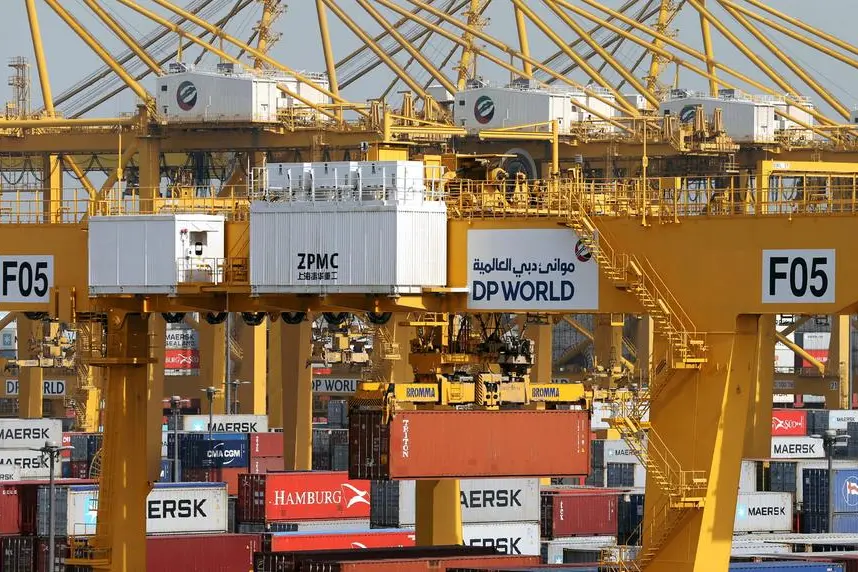
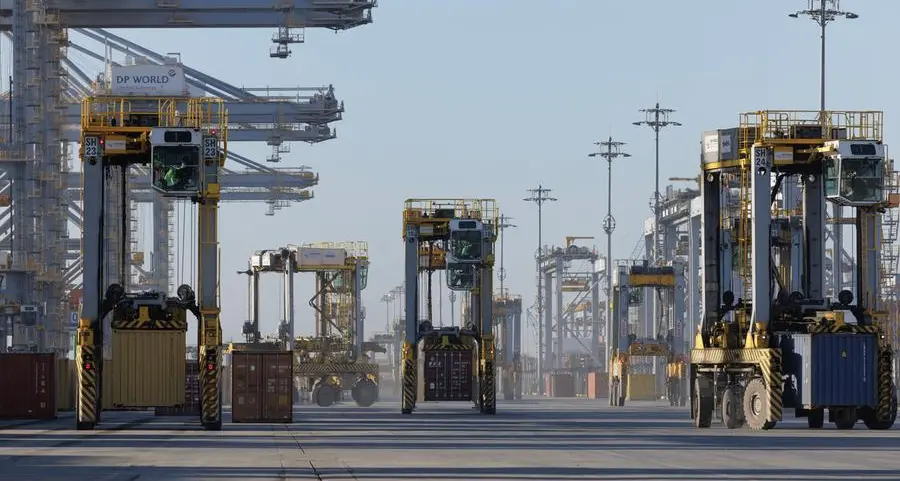
This year BSF expects Saudi imports will amount to SR357.75bn ($95.4bn) – up 10.4% from 2009. Oil export revenues should reach $196bn, 20% above last year’s earnings, but still one-third away from the 2008 level. BSF reduced its 2010 current account surplus forecast to SR120.72bn ($32.2bn), or 7.5% of GDP, rising to SR139.55bn ($37.2bn), or 7.6% of GDP, in 2011. “Ports authority data also showed some cautious optimism,” says BSF, adding that the volume of cargo discharged at Saudi ports jumped almost 20% in the year to April, and were up almost 9% from March. Meanwhile, non-oil export growth is rapidly picking up pace, according to CDSI. Total cargo loaded at ports faced downward pressure in April, falling 9.8% year on year. “A shift in the kingdom’s reliance on Asia in the past decade is likely to support Saudi trade flows even if the European debt predicament spreads beyond Greece,” the report concludes.
Saudi Economic Indicators (% Change)
2009e | 2010f | 2011f | |
Real GDP Growth | 0.6 | 3.9 | 4.2 |
Non-oil Private Sector Real GDP Growth | 3.5 | 3.7 | 4.6 |
Government Real GDP Growth | 4.4 | 4.6 | 3.8 |
Oil Sector Real GDP Growth | -6.7 | 3.7 | 5.2 |
Budget Balance, % of GDP | -3.2 | 3.0 | 4.8 |
Current Account, % of GDP | 6.1 | 7.5 | 7.6 |
Private Sector Credit Growth | -0.04 | 8.0 | 12.7 |
Annual Inflation | 5.1 | 4.7 | 4.9 |
Source: Banque Saudi Fransi.
Copyright MEES 2010.