JEDDAH - The crisis at Jeddah Islamic Port (JIP) is over and business there is back to normal, Khaled bin Ahmed Bubshait, president of the Saudi Ports Authority (SPA), announced yesterday. He said the delay in unloading shipments at the port was solved with the cooperation of other government departments.
The unprecedented congestion at the region's largest port was caused by an increase in imports before Ramadan and Haj seasons. There was a 23 percent increase in cargo arriving at JIP compared to 19 percent in other ports of the Kingdom, he said.
Bubshait said the Jeddah port deals with 65 percent of goods imported to the Kingdom and such delays were possible during peak seasons.
"All ports in the region face similar pressure during peak periods," he said.
Many ships had reportedly skipped the Jeddah port in the past several weeks due to extreme delays and were unloading at nearby ports, causing problems to exporters and importers. They unloaded their shipment at different ports in order to avoid fines for the delay in delivering the goods at the Jeddah port.
Bubshait said the port authorities alone are not to be blamed for the congestion, as the problem was linked with other departments operating at the port.
"The unloading and transportation can be done only after the completion of administrative procedures by other agencies," he said.
Apart from increase in business, shortage of workers at the handling companies had intensified the crisis at the port. "We are now coordinating with the Labor Ministry to address this problem," the SPA chief said.
Bubshait also complained that some traders are keeping their consignments at the container terminal for two to three weeks, exploiting the concession given by the government.
"This has put unnecessary pressure on the port. Many traders come late and want to clear their goods within a day and this is not acceptable," he said.
However, the SPA chief said his organization was ready to solve the problems facing traders and importers. "We assist traders to get their goods cleared as quickly as possible."
The Jeddah Chamber of Commerce and Industry, meanwhile, urged businessmen to take delivery of more than 13,000 containers at the port.
Tarek Al-Marzouki, head of the Shipping Committee at the chamber, confirmed that many shipping lines were diverting their routes without stopping at Jeddah in the past few weeks.
"They have been doing this because of a lack of unloading facilities and fear of fines," he added.
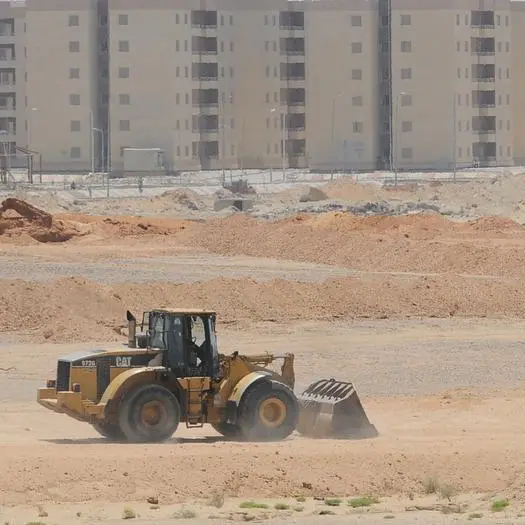
A new container terminal is being built at the port. The SPA last year signed a landmark agreement with the Saudi Commercial and Export Development Company (Tusdeer) to develop and operate the terminal on a BOT basis. It will be the third container terminal at the port.
The SR1.66 billion project, which will have a maximum capacity to accommodate 1.5 million containers annually, is being built on reclaimed land, measuring 400,000 square meters, located at the northern end of the JIP.
"With the completion of the new terminal the capacity of the JIP will be enhanced by 45 percent and add to its strategic importance in the region," a senior Tusdeer official said.
"It will also help activate the re-export sector as a regional logistic support center as the terminal will be capable of accommodating the next generation container ships as well," the official said.
The terminal will achieve integration with the surface causeway with the completion of the east-west land bridge connecting the proposed Saudi railway project, he added.
The Jeddah port currently receives about 5,000 ships annually. It has 58 wharves with modern facilities.
By P.K. Abdul Ghafour
© Arab News 2008