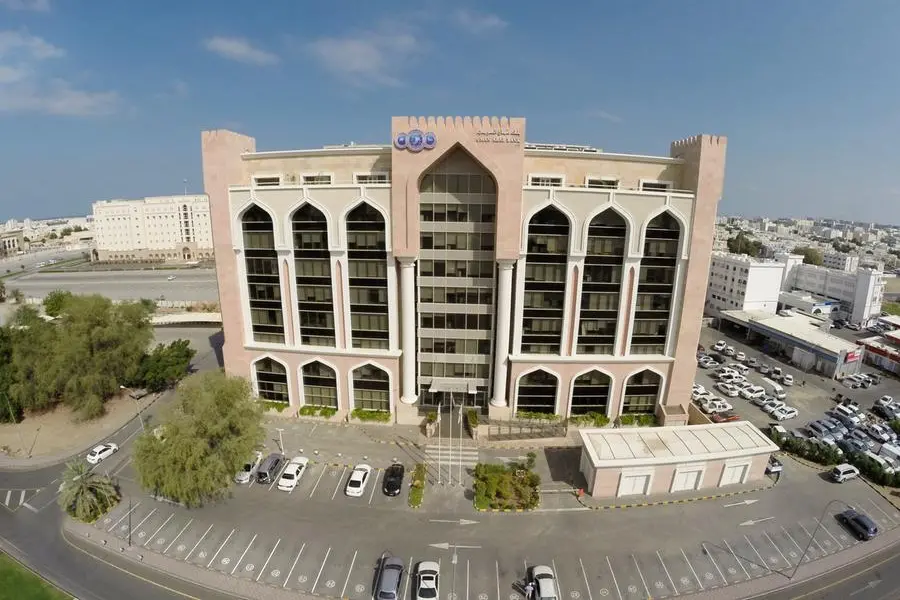
Riyad Capital: Saudi Economy Strong, Outlook Bullish
Though two leading indicators show a degree of softness, latest data from the Saudi Arabian Monetary Agency (SAMA) reveals that the Saudi economy remains strong, Riyad Capital (RC) says in its 25 June Monthly Economic Report. Given the recently announced government programs, RC notes that both economic growth and inflation are expected to rise in the coming weeks with robust growth figures being seen in three key indicators; namely the monetary base, money supply and ATM plus Point of Sale (POS) spending. All three indicators showed record growth figures for the months of March and April, coinciding with cash bonuses, inflation allowance and other cash payments being paid out by both the government and a number of private firms. In the coming months however, RC notes that it expects to see “continued, but slightly less growth in these indicators…as other spending kicks in.”
A number of other leading indicators were also seen to show sharp increases, RC Chief Economist Khan H Zahid says. Firstly, the country’s monetary base – the high-powered money potentially available to banks for lending – increased by a record SR33bn ($8.8bn) in March and a further SR10bn ($2.67bn) in April. “These increases, reflect primarily the two-month salary bonus for all government (and some private sector) employees, and other cash payouts,” Mr Zahid said. “This additional liquidity is available to the financial system for lending and has already reduced interest rates after months of stability.” However, this additional liquidity present in the private sector is likely to have also reduced consumer’s loan appetite, as the April weakness in bank lending indicates.
“The biggest increase in broad money supply (M3) in recent history in March was followed by another whopping increase in April,” the report said. Combined money supply over the two months was reported to have increased by SR79bn ($21.1bn), despite the fact that until October 2010, money supply in the kingdom had been on a clear decline for over two years. Of this, the bank says: “This recovery in leaps and bounds from the global financial crisis will be further accentuated by the government cash payments going forward.” And given that there typically exists a strong correlation between money supply and GDP growth, the bank regards these developments as good news for the Saudi economy going forward, in turn upgrading the country’s outlook from neutral to bullish.
Bank lending to the private sector meanwhile witnessed a fifth straight month of solid growth in April, albeit at a time when the volume of new loan creation was only around one half of what it was in the previous two months, leading Mr Zahid to believe that consumers, “flush with extra cash from the government payments,” are likely to have looked to cut back on debt in April rather than collecting more.
Copyright MEES 2011.