March 2009
The surge in piracy in the Gulf of Aden has become a matter of concern for shipping lines, agents and traders in the Gulf region. According to the International Maritime Bureau, in the first three quarters of 2008, Somali pirates seized 199 ships and hundreds of crew. The ransom paid so far has run into millions of dollars.
Covering piracy
While this makes the Gulf of Aden one of the riskiest sea routes today, operators say cargo insurance rates have not gone up considerably. Kapil Mehta, country manager, Maersk Shipping Services, says that insurance firms charge only an additional US$20 per 20-foot container from vessels passing through the Gulf of Aden.
Insurance companies too say cargo insurance has not been affected much. Rawny Khadr, vice-president (development and marketing), Dhofar Insurance, says, "We haven't seen any noticeable difference in marine insurance cost, after an increase in piracy cases. We have ample reinsurance capacity, which enables us to absorb any additional cost without passing it on to our clients. In terms of claims, which is another factor, our clients have not been significantly impacted due to the Somali pirates problem."
But not everyone agrees. Recalling his experience in getting insurance cover for an earthmoving equipment (which was to be exported to Somalia from Muscat), a leading shipping agent, who prefers to remain anonymous, says that shipping lines demanded a huge freight charge, which was equivalent to the cost of the equipment. "Many of the insurance companies were even trying to avoid me."
Nuances of a policy
Khadr says that in marine insurance, there is an average clause, which generally covers three main aspects of a voyage cargo, freight and hull. There are also a number of areas of potential piracy risk covered under the marine policy. Any additional expense incurred due to seizure of a vessel by pirates including additional time spent, additional cost on employees and potentially ransom as well are covered.
Apart from insurance cover for the vessels, shipping lines also go in for third party liability cover arising from other ships or ports of call. Associations of ship owners like the United Kingdom Mutual Steam Ship Assurance Association and the United Kingdom P & I Association provide insurance cover for the hull.
"The ship owners contribute a premium (advance call) based on the value of the ship and the trade route in which they operate to cover risk," says C M Najeeb, general manager, Towel Barwil. Cargo insurance is offered by insurance companies and can be taken by either the exporter on CIF (cost, insurance and freight) basis or the buyer on C & F (cost and freight) basis.
According to insurance industry sources, there is a possibility that cover against piracy could be a standalone class in view of the fact that it has risen to a considerable level. However, shipping industry remains divided on whether insurance companies will meet the liabilities arising out of ransom demand as things stand now.
"It is unlikely. But one cannot be certain if there are commercial settlements off the record," says Mehta.
However, Najeeb says insurance companies unofficially reimburse the ransom paid to pirates. "In a roundabout way, they have to pay. But people do not want to talk officially about it." Abraham Raju, director and general manager, Sohar Shipping, begs to differ. He says marine insurance does not provide cover for ransom, as there is no clause for such risks. "Also, nobody can predict the kind of ransom pirates may demand."
The cost factor
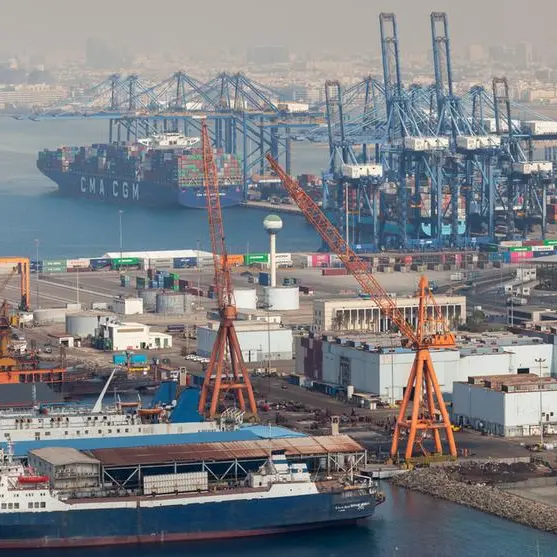
While an increase in insurance premium is not yet a worry, there is another area of concern for the shipping companies. Transport costs, and more importantly the time per trip, have gone up as major shipping lines reroute vessels from the Gulf of Aden to avoid pirates. This diversion has been adding extra weeks to the total sailing time. Most agencies have redeployed vessels that do not have adequate speed or have low free board.
The additional steaming time for a tanker from the Arabian Gulf to Europe on a long route is 14 days and to the US is eight days. "If a company waits for a vessel for four additional days in this route, it will add another US$6.5mn to the total cost. However, the full economic impact is really difficult to estimate because that depends on various factors," points out Mehta.
Industry sources admit that the freight charges have not gone up as much as it would have under normal circumstances, mainly because the piracy problem assumed serious proportions around the time oil prices were plummeting. Since the price of bunker oil has come down substantially, despite longer routes shipping companies manage to save on fuel cost.
With the naval forces of several countries patrolling the area, ships that go through the Gulf of Aden can avail of naval escort in these troubled waters. However, the hitch is that a cargo ship will have to wait till the appointed time to avail of the escort facility.
The trade factor
Shipping industry sources say there is no major impact on the sultanate's foreign trade as additional cost in terms of fuel and insurance premium is minimal. For the shipping companies there has been an increase in cost as they devise ways to dodge the pirates.
Apart from the African countries, Oman's major trading partners are Europe and the US. "Oman is predominantly an import-oriented country and has bilateral trade with all the major European countries. There is some impact on trade, but it is the operators who are facing problems," says Najeeb. Imports from countries that use the trade route include milk powder, frozen chicken, potato, automobiles, information technology products, hospital equipment and machinery.
Interestingly, the traditional sea trade between Salalah and Somalia has not had any impact. The reason is as simple as it can get. The pirates are just not interested. The cargo is not lucrative enough to warrant big risks and the operators not big enough to be able to pay any ransom.
The trade is mostly done using traditional dhows and small boats. Oman imports livestock from Somalia, while its exports to the African country include flour and cement. While the navies of many countries, including that of the UK, US and India are patrolling the area, all agree that the real solution to the problem in the sea lies in ensuring law and order on the land.
Increased security in Somali waters and the Gulf of Aden will not significantly reduce piracy risk unless security on land improves. "International community should form a task force and take supportive steps to resolve the issue in Somalia. Only then will we see a permanent solution to the issue," says Najeeb.
Others agree that till such a time that a strong government emerges in Somalia the cat and mouse game between various players in this opus the pirates, the shipping companies and the naval forces will continue. Till such a time the pirates will continue to be a worry for both the shipping lines and countries across the world, even though most agree that piracy hasn't hit the trade volumes or prices yet.
The surge in piracy in the Gulf of Aden has become a matter of concern for shipping lines, agents and traders in the Gulf region. According to the International Maritime Bureau, in the first three quarters of 2008, Somali pirates seized 199 ships and hundreds of crew. The ransom paid so far has run into millions of dollars.
Covering piracy
While this makes the Gulf of Aden one of the riskiest sea routes today, operators say cargo insurance rates have not gone up considerably. Kapil Mehta, country manager, Maersk Shipping Services, says that insurance firms charge only an additional US$20 per 20-foot container from vessels passing through the Gulf of Aden.
Insurance companies too say cargo insurance has not been affected much. Rawny Khadr, vice-president (development and marketing), Dhofar Insurance, says, "We haven't seen any noticeable difference in marine insurance cost, after an increase in piracy cases. We have ample reinsurance capacity, which enables us to absorb any additional cost without passing it on to our clients. In terms of claims, which is another factor, our clients have not been significantly impacted due to the Somali pirates problem."
But not everyone agrees. Recalling his experience in getting insurance cover for an earthmoving equipment (which was to be exported to Somalia from Muscat), a leading shipping agent, who prefers to remain anonymous, says that shipping lines demanded a huge freight charge, which was equivalent to the cost of the equipment. "Many of the insurance companies were even trying to avoid me."
Nuances of a policy
Khadr says that in marine insurance, there is an average clause, which generally covers three main aspects of a voyage cargo, freight and hull. There are also a number of areas of potential piracy risk covered under the marine policy. Any additional expense incurred due to seizure of a vessel by pirates including additional time spent, additional cost on employees and potentially ransom as well are covered.
Apart from insurance cover for the vessels, shipping lines also go in for third party liability cover arising from other ships or ports of call. Associations of ship owners like the United Kingdom Mutual Steam Ship Assurance Association and the United Kingdom P & I Association provide insurance cover for the hull.
"The ship owners contribute a premium (advance call) based on the value of the ship and the trade route in which they operate to cover risk," says C M Najeeb, general manager, Towel Barwil. Cargo insurance is offered by insurance companies and can be taken by either the exporter on CIF (cost, insurance and freight) basis or the buyer on C & F (cost and freight) basis.
According to insurance industry sources, there is a possibility that cover against piracy could be a standalone class in view of the fact that it has risen to a considerable level. However, shipping industry remains divided on whether insurance companies will meet the liabilities arising out of ransom demand as things stand now.
"It is unlikely. But one cannot be certain if there are commercial settlements off the record," says Mehta.
However, Najeeb says insurance companies unofficially reimburse the ransom paid to pirates. "In a roundabout way, they have to pay. But people do not want to talk officially about it." Abraham Raju, director and general manager, Sohar Shipping, begs to differ. He says marine insurance does not provide cover for ransom, as there is no clause for such risks. "Also, nobody can predict the kind of ransom pirates may demand."
The cost factor
While an increase in insurance premium is not yet a worry, there is another area of concern for the shipping companies. Transport costs, and more importantly the time per trip, have gone up as major shipping lines reroute vessels from the Gulf of Aden to avoid pirates. This diversion has been adding extra weeks to the total sailing time. Most agencies have redeployed vessels that do not have adequate speed or have low free board.
The additional steaming time for a tanker from the Arabian Gulf to Europe on a long route is 14 days and to the US is eight days. "If a company waits for a vessel for four additional days in this route, it will add another US$6.5mn to the total cost. However, the full economic impact is really difficult to estimate because that depends on various factors," points out Mehta.
Industry sources admit that the freight charges have not gone up as much as it would have under normal circumstances, mainly because the piracy problem assumed serious proportions around the time oil prices were plummeting. Since the price of bunker oil has come down substantially, despite longer routes shipping companies manage to save on fuel cost.
With the naval forces of several countries patrolling the area, ships that go through the Gulf of Aden can avail of naval escort in these troubled waters. However, the hitch is that a cargo ship will have to wait till the appointed time to avail of the escort facility.
The trade factor
Shipping industry sources say there is no major impact on the sultanate's foreign trade as additional cost in terms of fuel and insurance premium is minimal. For the shipping companies there has been an increase in cost as they devise ways to dodge the pirates.
Apart from the African countries, Oman's major trading partners are Europe and the US. "Oman is predominantly an import-oriented country and has bilateral trade with all the major European countries. There is some impact on trade, but it is the operators who are facing problems," says Najeeb. Imports from countries that use the trade route include milk powder, frozen chicken, potato, automobiles, information technology products, hospital equipment and machinery.
Interestingly, the traditional sea trade between Salalah and Somalia has not had any impact. The reason is as simple as it can get. The pirates are just not interested. The cargo is not lucrative enough to warrant big risks and the operators not big enough to be able to pay any ransom.
The trade is mostly done using traditional dhows and small boats. Oman imports livestock from Somalia, while its exports to the African country include flour and cement. While the navies of many countries, including that of the UK, US and India are patrolling the area, all agree that the real solution to the problem in the sea lies in ensuring law and order on the land.
Increased security in Somali waters and the Gulf of Aden will not significantly reduce piracy risk unless security on land improves. "International community should form a task force and take supportive steps to resolve the issue in Somalia. Only then will we see a permanent solution to the issue," says Najeeb.
Others agree that till such a time that a strong government emerges in Somalia the cat and mouse game between various players in this opus the pirates, the shipping companies and the naval forces will continue. Till such a time the pirates will continue to be a worry for both the shipping lines and countries across the world, even though most agree that piracy hasn't hit the trade volumes or prices yet.
By A E James
© businesstoday 2009