PHOTO
Egyptian asset manager engazaat plans to invest more than $100m over the next two years to support its regional expansion in climate infrastructure, the company announced on Sunday.
The investment is part of a total project pipeline valued at $250m. The firm, which specialises in water-energy-food (WEF) systems, is introducing what it describes as the first fully integrated investment and operational model of its kind in the Middle East and Africa (MEA) for green energy and water-for-food projects.
“We approach water, energy, and food infrastructure as one connected investment case,” said Muhammad El Demerdash, founding partner and CEO of engazaat. “When these systems are designed and financed together, they perform better and cost less to run. That is the model we have been building and operating for over 14 years.”
The company operates a “utilities-as-a-service” business model under a Build–Own–Operate (BOO) framework. Under this arrangement, engazaat develops, owns, and operates the assets, while clients pay for delivered services—such as irrigation, water pumping, and renewable electricity—rather than purchasing the infrastructure themselves.
To finance its expansion into clean infrastructure, engazaat has launched the SAVE Sustainable Infratech Fund, a $200m investment platform established in partnership with CI Capital. The fund will be subject to oversight by financial regulatory authorities in Egypt and Abu Dhabi, with a specific timeline for implementation to be announced by the founders.
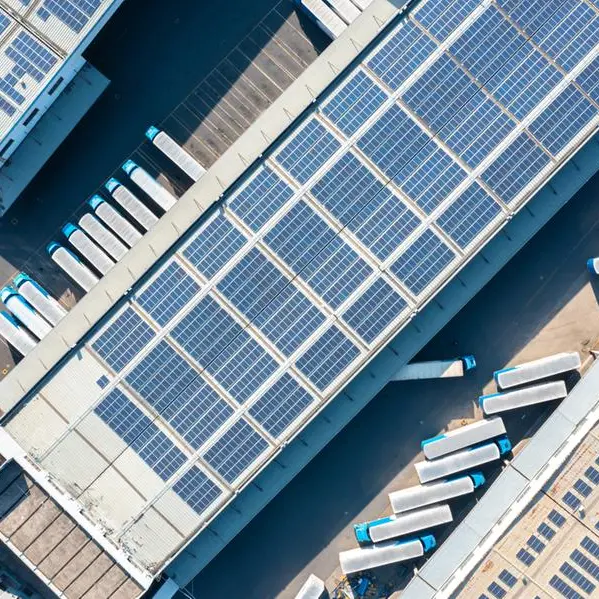
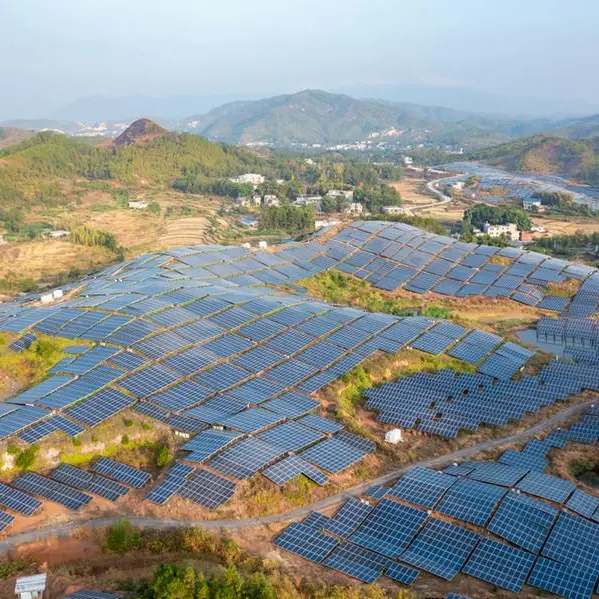
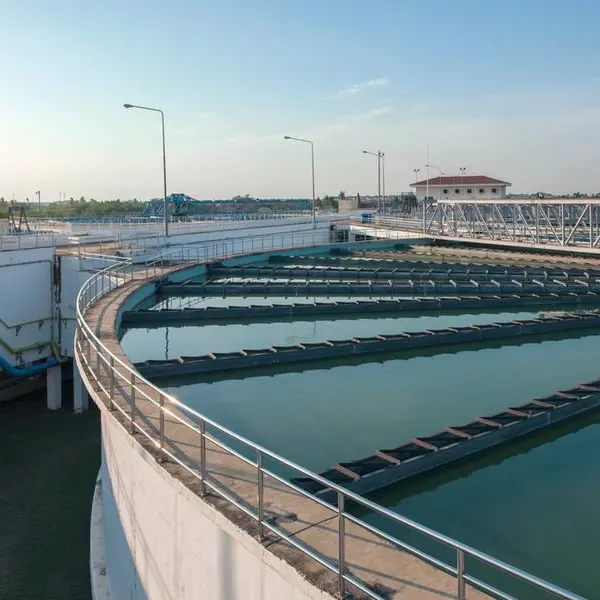
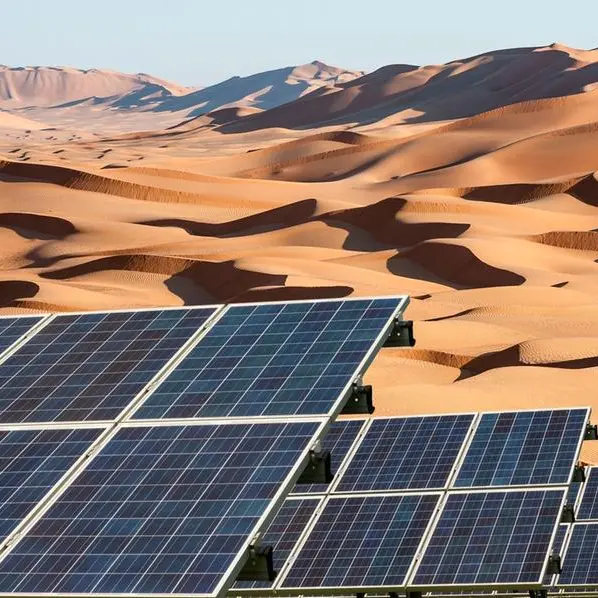
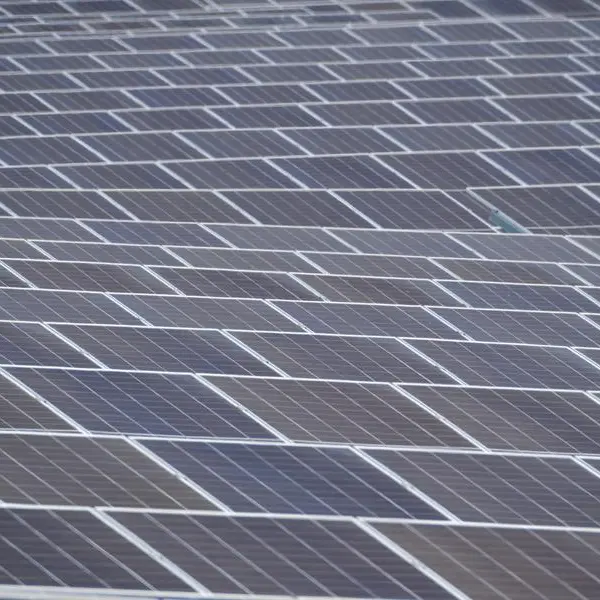
Founded in 2011, engazaat has already delivered a $33m portfolio in sustainable assets. Its current operations include more than 63 MW of solar capacity and the management of over 15 million cubic metres of water annually for agricultural purposes. The company is currently expanding to operate across three countries through long-term service agreements with commercial, agricultural, and industrial clients.
A flagship project for the firm is SAVE-1, located in the Dakhla Oasis in Egypt’s New Valley governorate. The project combines renewable energy and water systems to support local agriculture and is expected to reduce more than 460,000 tonnes of CO₂ over its operating life.
© 2026 Daily News Egypt. Provided by SyndiGate Media Inc. (Syndigate.info).