The Saudi petrochemicals industry will lead Middle East's rise as one of the most important petchem hubs in the world. But low natural gas prices in North America could eat into the region's market share.
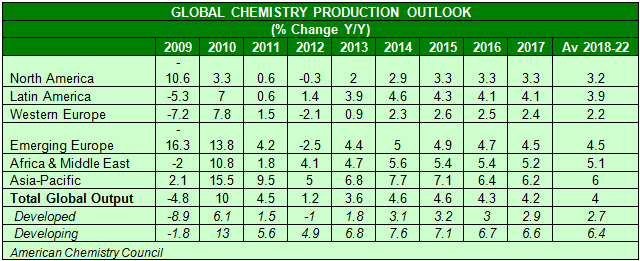
"Over the next several years, the most rapid growth will occur in the emerging nations of Asia-Pacific, Africa and the Middle East, Emerging Europe, and Latin America," said American Chemistry Council, a trade association. "The most notable growth will occur in China and India. The chemical industries of the emerging nations will increase 4.9% in 2012, 6.8% in 2013, and 7.6% in 2014."
Middle East petrochemicals production will rise 5.1% each year till 2017, according to ACC estimates, beating global output growth of 4%, but below other emerging markets.
However, Saudi Arabia and the Middle East remains the lowest cost petchem hub in the world, with as much as 0.75 per million British thermal unit, compared to $3 per Btu in North America and well over $10 across Asia. Analysts also believe it is the fastest growing sector in the region.
But that's about to change.
"One of the key investment debates around the Saudi Petrochemical sector recently has been on future gas price levels," said Nitin Garg, analyst at SICO.
"Industry participants, and the consensus, believe that Saudi Arabia will raise its domestic gas selling price to around USD 1.50/mmbtu from the current price of USD 0.75/mmbtu - a level high enough to send a strong signal of usage optimization, but not so high as to make a significant negative impact on local petrochemical companies' earnings. The main motive behind the reported plan to raise Saudi gas prices is the overall gas shortage, driven by soaring power-generation demand."
SAFCO and Sipchem would see its earnings before interest, taxation, depreciation and amortization (EBITDA), decline 6.7% in the %1.5 million Btu, according to SICO.
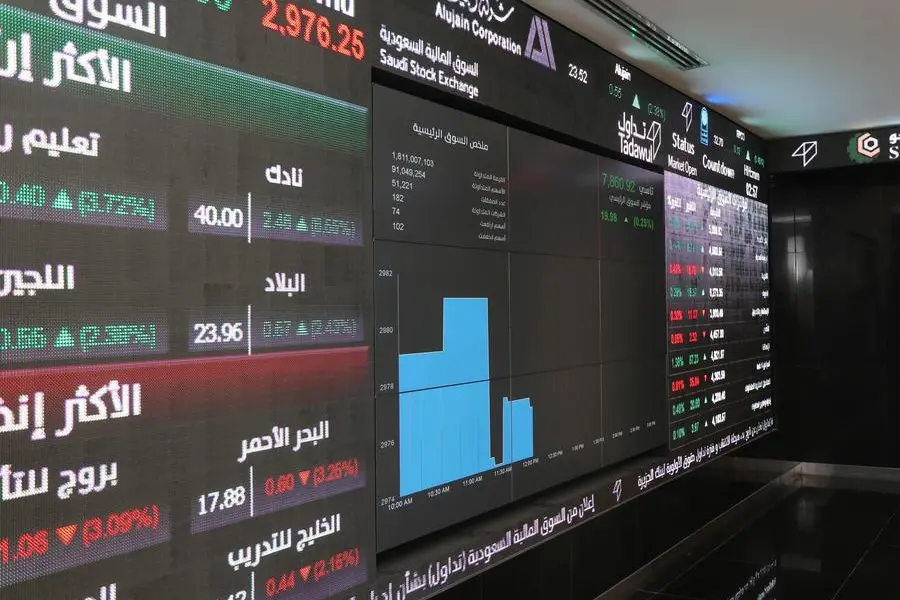
"We believe that any gas price hike announcement will affect investor sentiment in the short-term," said Mr. Garg. "At the same time, we argue that any panic reaction would not be justified as the consensus is already pricing in higher gas costs for 2013. If the price hike announcement is followed by a sector sell-off, then it would offer an attractive entry point for the investors."
Sabic, the world's largest petrochemicals company, mirrored some of the pain in the petrochemicals industry.
Net income for the full 2012 reached SR24.7-billion, declining 15.5% year-on-year due to higher cost of sales and lower prices which mitigated the impact of increased volumes and lower finance cost.
Meanwhile, net income in the fourth quarter stood at SR5.8 billion, 8% below consensus of SR6.4 billion.
"SABIC reported a reasonable set of earnings considering soft demand globally, high feedstock cost and continued weakness in Saudi Kayan's operational performance," said NCBC.
However, Yansab's fourth quarter net income rose 47.1%, higher than analysts estimates.
SAFCO Q4 earnings also beat analyst expectations, with net income at SR1,146-million.
NORTH AMERICA STRIKES BACK
Changes to Saudi Arabia's petchem industry comes at a time when the global industry is revving up again.
"During 2012, the trends in the global business of chemistry have paralleled the trends in broader manufacturing," notes ACC.
"Overall growth in the $5.0 trillion global business of chemistry stalled, with a recession in Europe and pronounced slowdown in China. Global business of chemistry output will increase 1.2% in 2012, a slowdown from the 4.5% volume gain in 2011. With a recession in Europe weighing on activity, only a 3.6% gain in global output is expected in 2013. As economic recovery resumes in 2014, a 4.6% gain is expected."
But while the rest of the world continued to suffer, Africa and Middle East production rose 4.1%, easily beating global average of 3.6%.
The trend is set to escalate, as the region posts' production increases of 4.7% in 2013, and well above 5% through to 2017, according to ACC estimates.
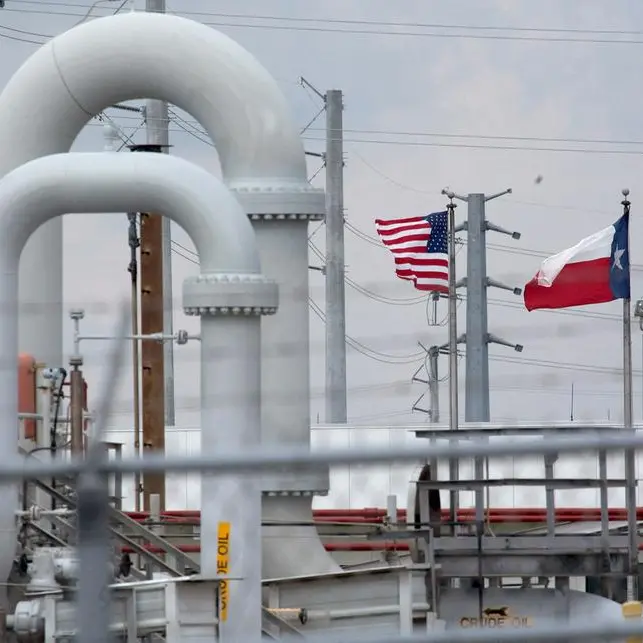
Worryingly for the region, the United States - which once led global petrochemicals growth in the 1990s -- is returning to its former glory.
"Chemicals production costs are highly related to the value of the hydrocarbon inputs as energy-derived raw petrochemical production cost, therefore playing a key role in capital investment decisions," says Gary Adams, chief advisor at IHS Chemical. "Production expansion from 2000 to 2012 has occurred mostly in the Middle East and China, driven by competitive feedstock incentives (in the Middle East) and a desire by China to maintain a higher level of self-sufficiency in chemicals manufacturing."
But that is changing, as cheap natural gas in North America transform that continent's industry.
"For the first time in more than a decade, a number of global chemicals companies have announced plans to build or expand facilities in North America," said Mr. Adam. "As much as 10 million metric tons of new ethylene capacity (a basic building block for the chemical industry) is forecast to be built in North America in the near term."
The North American renaissance comes at a time when the Saudi petrochemicals industry is taking a bit of a hit.
"The global economic uncertainty... continues to put pressure on the KSA petrochemical sector," notes Iyad Ghulam, analyst with NCB Capital in a December note. "Weak demand and increasing supply is restricting price growth. Operational inefficiencies at the new start-ups are also contributing to the weak performance."
© alifarabia.com 2013