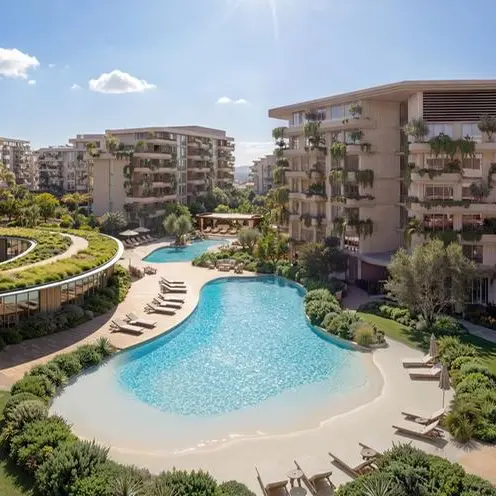
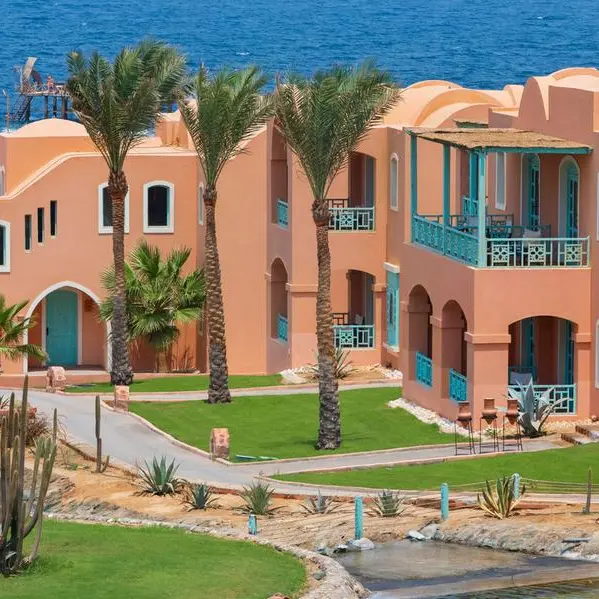
Around 483 hotels comprising nearly 119,000 rooms are in the development stage in the Middle East North Africa, according to STR Global.
More than eleven hotels have already opened this year, and the consultancy expects a flood of new hotel openings across the region.
"In the remainder of 2013, 133 more hotels are expected to open with 34,931 rooms," the hospitality consultancy said. "The unaffiliated segment is expected to open the most rooms with 11,557 rooms in 39 hotels. Three other segments are expected to open more than 5,000 more rooms in 2013: the upper upscale segment (6,950 rooms); the luxury segment (6,855 rooms); and the upscale segment (6,639 rooms)."
Next year, more than 141 hotels are set to open with 30,924 rooms. 'Upper upscale' segment will once again dominate with 11,269 rooms in 38 hotels, followed by 6,186 rooms in 28 luxury hotels and 5,909 rooms in 30 upscale hotels.
The MENA saw a 5.9% improvement in hotel occupancy in the first quarter of the year as tourists shrugged off trouble in the Levant and much of North Africa and visited safer countries in the region.
Winners and losers
Most of the Gulf nations such as the UAE, Qatar, Oman and Saudi Arabia have benefited from traffic diversion, while the North African and other popular destinations such as Lebanon, Jordan have suffered due to regional unrest.
But investors are willing to look past short-term regional troubles and focus on building out the hospitality infrastructure. Virtually all the Gulf nations have ambitious plans and are spending billions on upgrading airport infrastructure, buying planes and creating a tourism-friendly environment. Qatar's 2022 FIFA World Cup, Dubai's bid for Expo 2020 and Abu Dhabi's international museums are expected to attract new waves of tourists and put the region firmly on the tourism map.
According to WTO's long-term forecast, Middle East tourists are expected to reach 149 million by 2030, an average annual increase of 4.6% compared with a global average of 3.3%.
Despite the region's growing popularity, international hospitality investors and real estate investment trusts continue to shun MENA's hospitality sector. Instead growth will be driven primarily by local development companies and high-net-worth individuals, says Jones Lang La Salle (JLL).
"Similar to previous years, we expect no significant investment activity in the Middle East and Africa as investors prefer to build rather than acquire existing hotels,' said JLL in a report. "...Dubai will be an exception with evidence of some investor interest outside the GCC countries."
JLL says majority of the new openings will be in the UAE and Saudi Arabia, although development activity has started to slow down in Dubai "as the market is nearing maturity."
"Saudi Arabia will also achieve improved performance linked to new infrastructure projects driven by public spending policy," said JLL. "We anticipate performance to remain constrained in Bahrain due to the ongoing local tensions."
Improving outlook
MENA has emerged as the world's fastest growing tourism and travel market with Middle East airlines carrying 15.6% year-over-year, International Air Transport Association (IATA) data shows.
Average daily rate in the region was up 3.1% to USD 179.10 while revenue per room soared 9.2% to USD 115.20, the consultancy firm JLL said.
The region appears to have partially recovered from the Arab Spring crisis when occupancy rates fell and average daily rates were slashed by hotel operators.
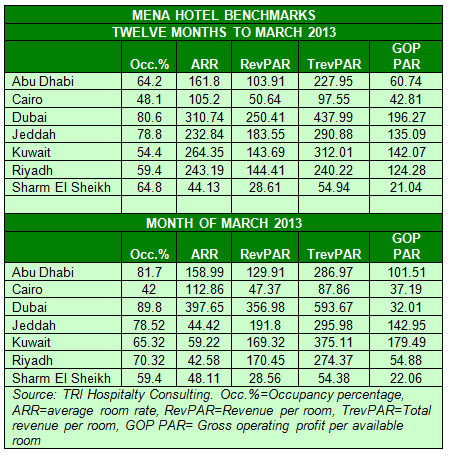
Hotel occupancy in places like Dubai surged to 89.8% in March alone - the highest in the region. Meanwhile, Abu Dhabi (81.7%) and Jeddah (78.5%) also registered high occupancy rates, according to TRI Hospitality Consulting data.
However, places like Amman and Beirut bore the brunt of the civil war raging in Syria which kept tourists away. Economic crisis in the EU also kept tourist inflow from Germany, France and the United Kingdom in check.
Egypt has also seen subdued activity as the country is paralyzed by political turmoil. No new hotels were built in the first quarter in Cairo, although the Egyptian Hotel Association says 29 hotels are under construction, comprising nearly 8,000 rooms.
"The political events in Cairo are putting heavy pressure on all businesses including hotels,' said Peter Goddard, Managing Director of TRI Hospitality in a report.
"The events in March has disrupted the recent recovery experienced by hotels as both leisure and corporate demand took a hit in the light of street protests and reports of kidnapping. Hotels in Sharm El Sheikh, however, appear to be well on course to a solid year if security issues do not resurface there."
Stalwart UAE
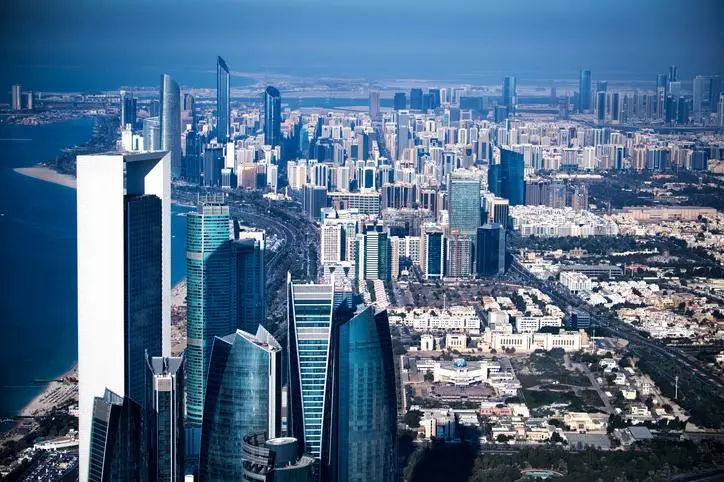
The UAE remains one of the most active hospitality hotspots in the region. Dubai alone crossed the 10-million tourist figure mark last year, coupled with strong arrival in occupancy rates and airport arrivals as Emirates airline led Dubai's tourism efforts.
JLL estimates another 11,200 new hotels rooms will be ready to accept bookings in the emirate by 2015.
Major new hotel openings set for this year include the Conrad Sheikh Zayed Road, Novotel Al Barsha, Oberoi Business Bay, Sofitel Palm Jumeirah and Anantara Royal Amwaj, among others.
Neighboring Abu Dhabi is likely to see the St. Regis Nation Towers, Rosewood Sowwah Island, Novotel & Adagio Al Bustan and Dusit Thani are expected to open their doors this year.
© alifarabia.com 2013