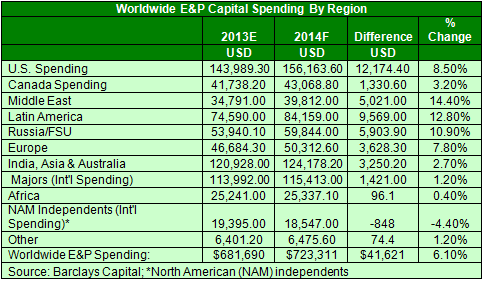
For all the hype surrounding U.S. shale plays, it is Middle East which will register the highest growth in exploration and production capital spending next year, according to a new report.
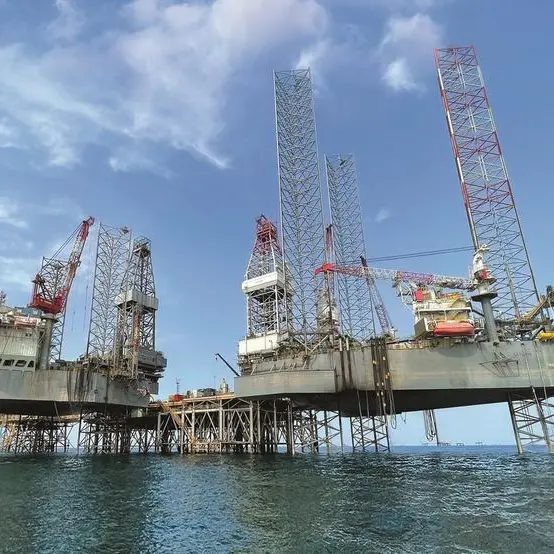
Middle East oil and gas companies will raise their capital expenditure by 14.4% in 2014 compared to the same period last year - the highest growth anywhere in the world. Regional companies will spend USD39.8 billion in 2014, compared to USD34.8 billion, according to Barclays Capital.
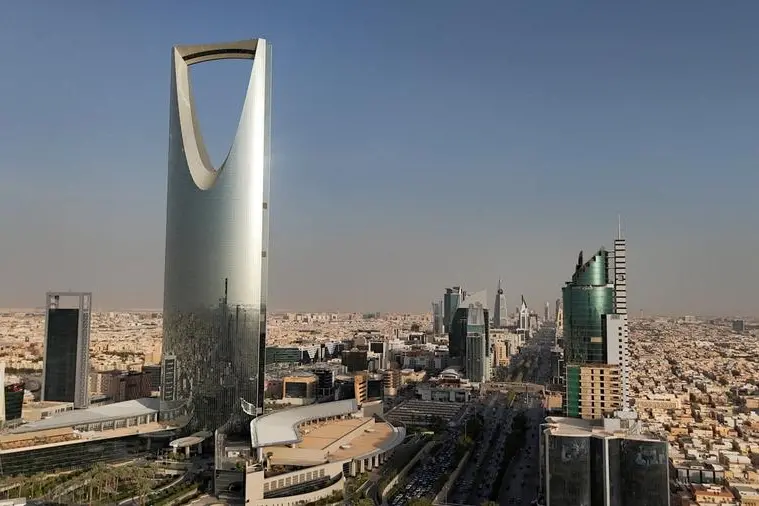
Saudi Aramco alone is expected to raise spending by 20% next year, while Kuwait Oil Corporation is also set to raise its capex levels by a fifth, according to the companies' estimates.
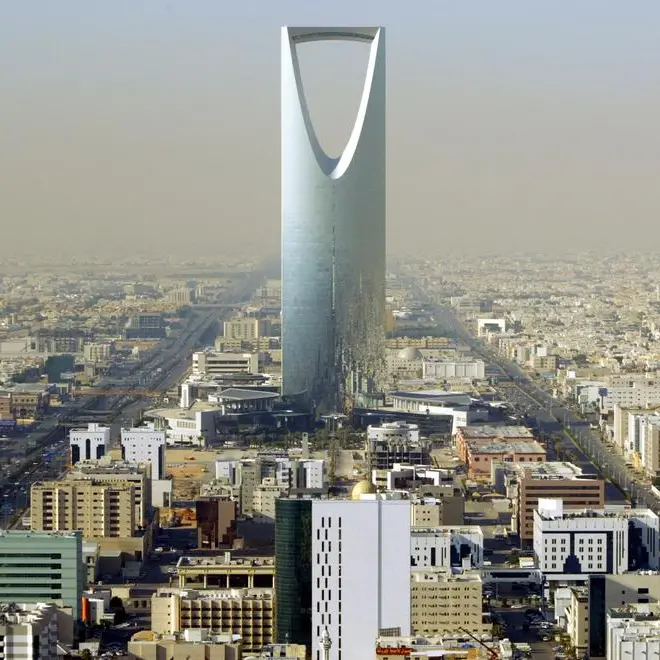
"In Saudi Arabia, Aramco is undergoing a period of rapid change and evolution as the Kingdom looks to boost gas production in an effort to export more oil," said Barclays.
"As a result, Aramco is increasing its unconventional activities and boosting its shallow-water rig count in the Red Sea (primarily deep gas). We expect this focus on technology will create opportunities for premium service providers, as well as present potential for R&D partnerships with Western service companies. Overall, it should create a higher quality revenue environment for service companies as well as a larger market opportunity as unconventional spending continues to grow."
GCC countries are creating downstream energy clusters with the aim of generating an internal use of oil that is, to an extent, insensitive to the market price, notes Standard & Poor's.
"Saudi Arabia, for example, has developed such clusters in Jubail and Yanbu, where refineries and petrochemical plants are built side-by-side," the ratings agency said in a recent report.
"In the event of a downward oil price shock in the medium to long term due to significant shale oil production, Saudi Arabia's own oil would continue to supply the refineries that fuel the operations of the petrochemical plants that produce the enriched end products.
"This not only guarantees a usage value for the oil at a time of potentially depressed prices, but also generates jobs and leads to greater end product diversification. We understand that several other GCC countries may emulate the Saudi model in coming years.
In Kuwait, analysts expect the government to commence its long overdue investment in the oil sector.
Kuwait has been producing crude oil at record levels of around 2.82 million barrels per day on average this year, near its sustainable capacity of 2.9 million bpd, according to the International Energy Agency.
With Kuwaiti crude fetching well over USD100 per barrel, the country expects another bumper year from its oil sector.
"An oil price of between USD102 and USD106 per barrel in FY13/14 could generate a budget surplus for Kuwait of between KD11 billion and KD13 billion this fiscal year, following last year's KD13 billion surplus," according to National Bank of Kuwait's estimates.
Iraq is also expected to see massive inflow of capital directed at its oil and gas sector, but civil unrest, regional tensions and a general disenchantment among major oil companies with Baghdad may slow down ambitious production plans.
However, the central government in Baghdad has resolved some of its issues with the semi-autonomous Kurdistan Regional government. Under a new agreement, Baghdad will control the amount and quality of crude the KRG exports apart from managing revenue from its sale, according to the Iraqi Oil Minister Abdul Kareem al-Luaibi.
The deal comes after years of infighting between the two authorities and many signal a much more favourable environment across the Iraqi oil and gas sector. The agreement may also pave the way for an oil export pipeline to Turkey that could ease market access issues for Iraqi crude.
"Continued Western IOC [international oil company] interest in Kurdistan, as well as the continued legitimization of its oil industry through relationships with Turkey, should also help drive E&P spending," Barclays said.
The Middle East exploration and production spending could go even higher if a quick resolution on Iran's nuclear programme hastens the return of major oil companies in the country.
The Iranian oil minister has already expressed a desire to engage major oil companies such as France's Total, Anglo-Dutch Royal Dutch Shell, Italian giant Eni and U.S. companies Exxon Mobil and Chevron Corp.
Paolo Scaroni, the CEO of Eni, has already met with the Iranian Minister as oil companies eagerly await a thaw in the frosty relations between Tehran and Western countries.
AFRICAN E&P EXPENDITURE FLAT
While Middle East will see a surge in oil and gas investment activity, Africa will flatten with an estimated USD25.37 billion being spent in 2014, compared to USD25.24-billion this year.
Despite the promise of West African and now Eastern hotspots in Kenya, Uganda and Ethiopia, major oil companies are taking a measured approach to Africa, given the huge choice on offer globally.
"Africa investment has been slowing since the Arab Spring and while the region is burgeoning with new opportunities in the east, some old challenges are reappearing and growing in the west and north," Barclays said. "We expect solid spending growth in Angola (state-owned Sonangol up by 10%) to be offset by lower CAPEX in Algeria (state-owned Sonatrach down by 10%), and flat spending in Nigeria (by state-owned NNPC).
However, deepwater natural gas prospects in Tanzania, and onshore Mozambique, Puntland region of Somalia may see investor interest.
"Tullow and other international independents will likely continue to lead the way onshore East Africa; however, we expect an uptick in smaller pure-play regional players in the coming years as well, including companies like Wentworth Resources, Horn Oil and Africa Oil," said Barclays.
Overall, global oil and gas companies are expected to spend USD723-billion next year, compared to USD681.7 billion in 2013 - a 6.1% increase.
However, there are concerns that global energy companies are committing capital to too many competing projects, which is worrying at a time of weakening oil and natural gas prices.
Major players such as Total, Statoil and Royal Dutch Shell have recently abandoned projects as risk aversion grips shareholders.
"We think this slowing of capital spending growth being expressed by the Majors presents dangers to global oil markets," Barclays said. "This trend is reminiscent of the early-to-mid 2000s, another time the Majors failed to invest, contributing to significant oil price appreciation in the mid-2000s.
"This dynamic should exacerbate the rise of the NOCs [national oil companies] and create more international opportunities for these state-owned players."
© alifarabia.com 2013