21 November 2010
Based on a parliamentary ratification on Saturday, Oil Ministry is obligated to launch an integrated system for measuring the level of production of oil and gas as well as their processing, transport, refinement, distribution and exports by the end of 2012.
During the Majlis open session, the MPs also clarified the duties of the government for exploration, exploitation, production and expansion of industries related to oil and gas, IRNA reported.
The legislators ratified Article 122 of the Fifth Development Plan (2010-2015) according to which Oil Ministry should help the private and cooperative sectors in projects for completing the existing refineries of the country upon approval of the Council of Economy. This assistance should be in the form of granting facilities for investments from internal sources of National Iranian Oil Refining and Distribution Company (NIORDC).
Oil Ministry has become obligated to utilize the needed expert workforce for carrying out tasks related to the law for management of exploration, development and production.
Upon Majlis ratification, the ministry should issue exploitation permits to its affiliated companies without granting them the right of ownership of the produced oil and gas. The ministry is duty-bound to supervise exploration, development and production operations of the said companies in terms of production level and health, safety and environmental criteria.
New Technologies
The MPs approved that in order to upgrade the scientific, technological and innovative might of the oil industry the ministry should allocate one percent of the annual credits designated for developmental projects of its related companies for expanding prioritized oil, gas and petrochemical technologies. The ministry should also use these technologies in related industries and improve the existing machineries.
The legislators decided that the ministry should present an annual report to the Majlis Education and Research Commission on use of technologies and innovations in the oil and gas sector.
Furthermore, in a bid to increase the coefficient of recovery of oil and gas reservoirs by one percent during the Fifth Development Plan, the lawmakers voted that the ministry should compile a comprehensive plan for protecting hydrocarbon resources both offshore and onshore and implement it efficiently.
Fuel Dispatching Services
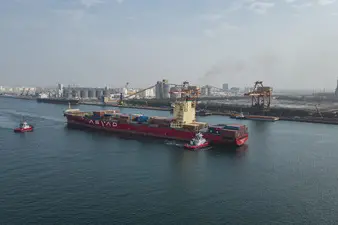
Based on another ratification of the parliament, the ministry compiles a comprehensive plan for increasing fuel dispatching services to ships in the Persian Gulf and the Sea of Oman by at least 20 percent per annum via the non-governmental sector. The ministry is also tasked to render the necessary support to the non-governmental sector in this regard.
The legislators also agreed to allocating two percent of the revenues generated from export of crude oil and natural gas to oil- and gas-rich provinces and also the less developed areas of the country. According to the ratification, the government should allocate one-third of the sum to oil- and gas-rich provinces and the remaining two-third to less developed areas.
Based on a parliamentary ratification on Saturday, Oil Ministry is obligated to launch an integrated system for measuring the level of production of oil and gas as well as their processing, transport, refinement, distribution and exports by the end of 2012.
During the Majlis open session, the MPs also clarified the duties of the government for exploration, exploitation, production and expansion of industries related to oil and gas, IRNA reported.
The legislators ratified Article 122 of the Fifth Development Plan (2010-2015) according to which Oil Ministry should help the private and cooperative sectors in projects for completing the existing refineries of the country upon approval of the Council of Economy. This assistance should be in the form of granting facilities for investments from internal sources of National Iranian Oil Refining and Distribution Company (NIORDC).
Oil Ministry has become obligated to utilize the needed expert workforce for carrying out tasks related to the law for management of exploration, development and production.
Upon Majlis ratification, the ministry should issue exploitation permits to its affiliated companies without granting them the right of ownership of the produced oil and gas. The ministry is duty-bound to supervise exploration, development and production operations of the said companies in terms of production level and health, safety and environmental criteria.
New Technologies
The MPs approved that in order to upgrade the scientific, technological and innovative might of the oil industry the ministry should allocate one percent of the annual credits designated for developmental projects of its related companies for expanding prioritized oil, gas and petrochemical technologies. The ministry should also use these technologies in related industries and improve the existing machineries.
The legislators decided that the ministry should present an annual report to the Majlis Education and Research Commission on use of technologies and innovations in the oil and gas sector.
Furthermore, in a bid to increase the coefficient of recovery of oil and gas reservoirs by one percent during the Fifth Development Plan, the lawmakers voted that the ministry should compile a comprehensive plan for protecting hydrocarbon resources both offshore and onshore and implement it efficiently.
Fuel Dispatching Services
Based on another ratification of the parliament, the ministry compiles a comprehensive plan for increasing fuel dispatching services to ships in the Persian Gulf and the Sea of Oman by at least 20 percent per annum via the non-governmental sector. The ministry is also tasked to render the necessary support to the non-governmental sector in this regard.
The legislators also agreed to allocating two percent of the revenues generated from export of crude oil and natural gas to oil- and gas-rich provinces and also the less developed areas of the country. According to the ratification, the government should allocate one-third of the sum to oil- and gas-rich provinces and the remaining two-third to less developed areas.
© Iran Daily 2010