Infrastructure projects focused on Kenya's transportation and energy sectors are set to reinvigorate the economy, as the country emerges from an election year and the terrorist attack in Nairobi that killed scores of people earlier this year.
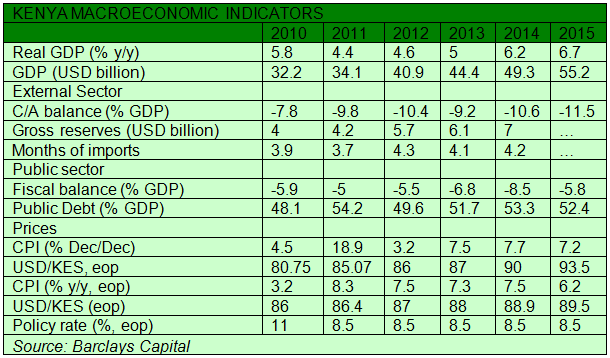
The country's real GDP is expected to shoot up 6.2% next year, compared to 5.9% this year, led by stronger public and private investment in the economy, according to the International Monetary Fund.
However, the World Bank - in sharp contrast - has taken a more dim view of the country's economic prospects, forecasting real GDP growth of 5.1% in 2014 and an estimated 5% this year, noting that heavy cost of credit is holding the economy back.
However, other major institutions such as Barclays Bank and Standard Chartered tend to side with the IMF's more bullish view on the East African country.
Their optimism is primarily driven by the scale of projects under way.
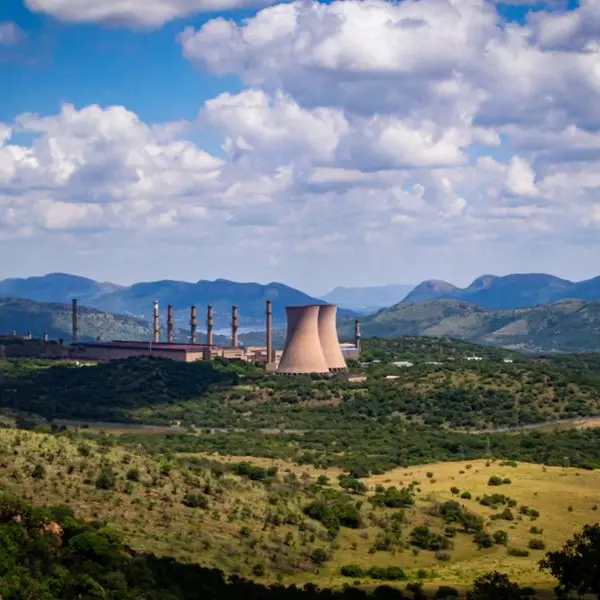
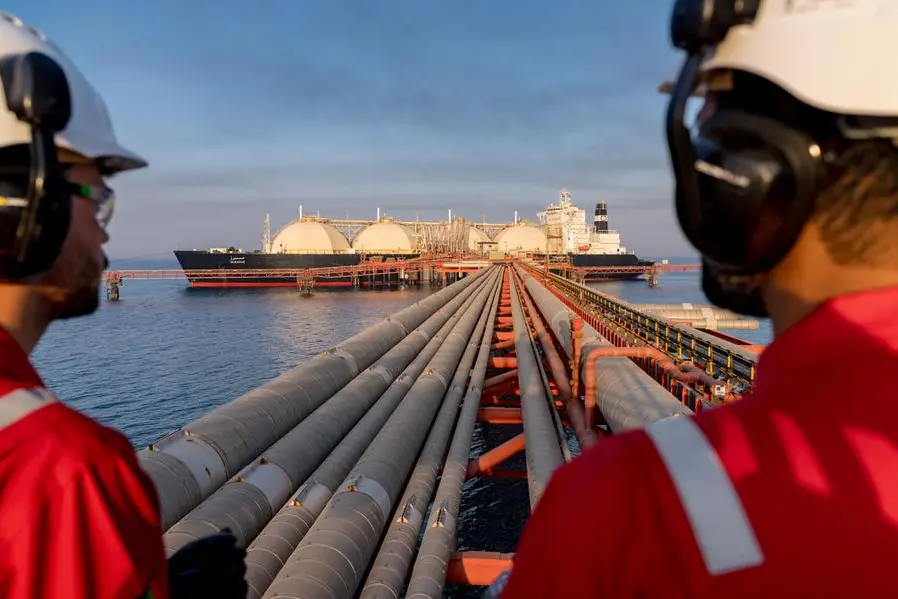
Major energy projects include an 800 megawatt (MW) natural gas-fired plant and a 1000MW coal plant, which should be ready by 2016. In addition, the authorities announced the launch a Mombasa-Nairobi railway leg in November and the country's key airport is being revamped with a new terminal.
Also oil companies such as Tullow Oil Plc. and Africa Oil Corp. are hoping to maximize the potential of the country's 300 million barrels of oil reserves, with a fresh drilling plan next year.
"With several infrastructure projects likely to expand in 2014, we expect growth momentum to increase," said Barclays Capital. "In our growth expectations (Barclays: 6.2% y/y in 2014), we assume a continued favorable performance of the all-important agricultural sector, which accounts for about a fifth of GDP and is dependent on weather conditions."
A TOUGH YEAR
The year 2013 turned out to be difficult for Kenya as it hoped to avoid a repeat of the previous election, which was marred by bloodshed and violence. While the March election was peaceful, it ushered in fresh concerns as elected president Uhuru Kenyatta and his deputy William Ruto had been charged by the International Criminal Court (ICC) for their role in the elections of 2007 that saw 1,200 people killed.
"Given that ICC rulings on the cases could take many months, this appears likely to remain a source of political uncertainty for some time," Barclays noted. The trial will resume in February 2014 and may serve as a distraction to investments.
In addition, the country was rocked by terrorist attacks, slowing consumption and investment. As the country reeled from the shock, international investors paused to take stock of the political risk associated with the country. But as the issue subsides, investors are taking a more bullish view on the country.
USD1.5-BILLION BOND
Kenya will benefit from being the hub of regional development.
"The East African sub-region is set for dramatic transformation in the years ahead given region-wide oil and gas developments as well as increased investment in geothermal energy in Kenya itself," said Standard Chartered Bank. "Infrastructure spending is expected to rise sharply after years of underinvestment."
The country is also looking to launch a USD 1.5 billion Eurobond next year to help finance a number of infrastructure projects.
The IMF says that the country's external and fiscal positions are stronger, while moderate inflation and a resilient economy have "placed Kenya in a good position to tap the international financial markets."
"The authorities have demonstrated a strong commitment to fiscal discipline. Provided that devolution proceeds in an orderly manner, their medium-term fiscal plans give assurance that prudent policymaking will continue in the period ahead," the IMF said.
And despite fears of fiscal devolution, there are few signs of spending over-runs to date, notes Standard Chartered.
"The pace of borrowing so far in FY14 suggests that the authorities will have largely fulfilled their domestic borrowing requirement by early 2014. The planned Eurobond issuance could trigger a significant rally in the domestic bond market by Q4-FY14 (April-June) as issuance of local-currency bonds is reduced significantly."
WORLD BANK'S VIEW
Not everybody is convinced of Kenya's growth prospects.
The World Bank believes the Kenyan economy is more likely to grow below par due to high cost of credit.
"Several critical areas need to be addressed to reduce the cost of credit, including the factors that influence the pricing of bank loans, better credit information sharing, and diversifying sources of finance for SMEs," says Smita Wagh, senior financial sector specialist for Kenya, and author of a report on the country published in early December.
In addition, key social indicators such as poverty and maternal deaths remain high, while secondary school enrolment and learning outcomes are below the potential that is needed to drive a modern market economy, the bank noted.
"Low inflation, fiscal discipline and a stable exchange rate are good indicators of favorable macroeconomic performance," noted Apurva Sanghi, the World Bank lead economist for Kenya. "Better investment spending and budget execution rates will ensure that these macroeconomic gains are translated into microeconomic ones on the ground."
Striking a balance between raising investment spending while keeping a lid on the budget deficit will be the major challenge for the new Kenyan leaders.
The budget deficit is expected to widen to 8.5% of GDP in the fiscal 2013/14 budget, higher than the initial target of 7.9% and much elevated compared to 6.8% in the previous year.
Thankfully, the country has seen moderate inflation pressures, which has given the government flexibility to embark on a number of projects.
"Recent fuel price cuts, amid stable global oil prices and resilience of the Kenyan Shilling (KES), and moderation in food inflation has helped to ease pressures on inflation," Barclays said.
In November 2011, inflation has peaked at 19.7% but fell to 3.2% last year. It currently stands at 7.8% and expected to ease back further amid a benign commodity price environment.
© alifarabia.com 2013