Gold's 12-year rally has ended. No matter what happens from here, it will be a new chapter in the trading of gold - post-rally, post-crash.
After defying skeptics for more than a decade, gold can finally breathe a sigh of relief and perhaps operate as a 'normal' commodity.
The metal has collapsed from USD 1,920 per ounce to under USD 1,200 within the space of 20 months, and with the US Federal Reserve signaling an end to its quantitative easing program at some point next year - gold may soon be stripped of its safe-haven status.
Nouriel Roubini, the veteran analyst who predicted the global financial crisis, says gold could fall to USD 1,000 per ounce by 2015.
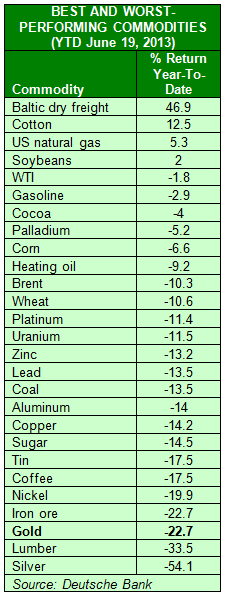
"Assuming US labor market and housing sector conditions continue to improve, commodities will still have to contend with Fed exit, a stronger US dollar and the increasing allure of US equities among global investors," said Michael Lewis, commodity strategist at Deutsche Bank. "We view gold as the most at risk in this environment with the dangers that market price action becomes increasing disorderly."
However, Barclays believes the worst may be over for gold as it has been trending lower since Q4 last year and then posted a precipitous drop in April this year following an exodus of investors from gold exchange-traded funds who perceived a bleak outlook for price action.
"The expectation of Fed tapering therefore had a more muted impact on gold prices than might have been the case if prices were on a stronger footing," Barclays said.
April was a particularly terrible month for the yellow metal. Prices dropped from USD 1,535.6 per ounce on April 12, to USD 1,390 by April 16. As much as 350 tons of gold bled from exchange traded funds (ETF) - a drop of a staggering 13%.
The World Gold Council is putting a nice spin on the hemorrhaging ETF market.
"The onset of the financial crisis saw a shift in the ETF market, as gold attracted a broad range of investors who were not core, long-term investors in gold," said the World Gold Council. "An element of these investors were attracted to gold in a flight of safety, with more tactical investors were drawn to gold as a short-term investment."
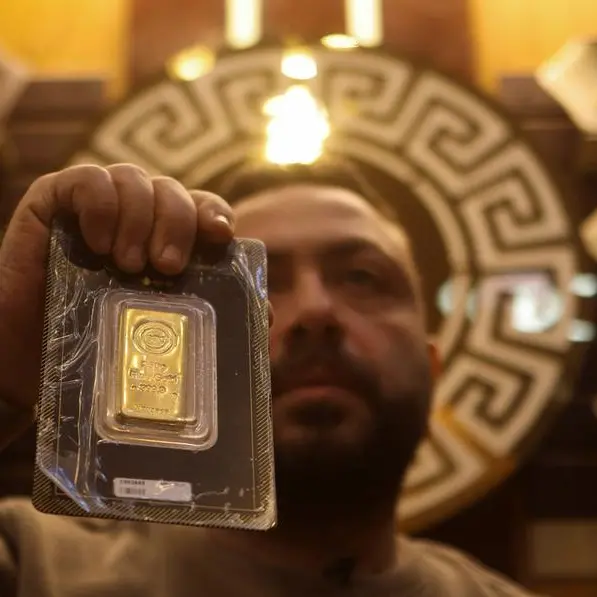
While it is unclear whether ETF markets will bleed further, the World Gold Council is hoping for a pre-2008 position with physical demand for gold in the form of bars and coins holding up.
Indeed, while paper gold demand slid, Greater China's demand for physical gold soared 33% in the first quarter. India, one of the most important retail gold markets in the world, saw physical demand shoot up 28%, while Middle East also saw prices jump 9%.
END OF THE BLOODBATH?
While Barclays bank believes Chinese demand could put a floor on gold prices, physical demand may be cooling off, too.
"Much of that buying is unlikely to materialize again, particularly given the developments in India since. India has imposed an import duty hike since April and is in the midst of a seasonally slow period," said Barclays.
Reuters has cited a government official saying it is unlikely to ban gold imports or increase the import duty further. Demand from China will be essential to watch in the coming sessions given that it remains price-sensitive, the bank states.
Capital Economics' head of commodities Julian Jessop says the price of gold may be finding a floor and is suggesting gold could claw its way back to USD 1,700.
"A key factor driving the price of gold lower is that inflation fears have faded, due in part to the general weakness in commodity prices and the resilience of the US dollar," said Jessop.
"Nonetheless, even if the Fed calls a halt to QE3 soon, the easing already in the pipeline suggests there is still some upside for gold. What's more, global interest rates should remain ultra-low and a fresh escalation of the Eurozone crisis could yet revive safe haven demand."
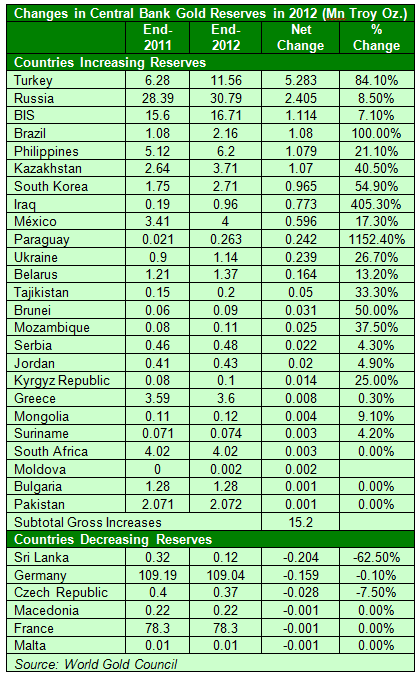
Casey Research, another gold bug, believes demand by central banks will continue to horde the yellow metal.
"Based on current data, the net increase in central bank gold buying for 2012 was 14.8 million troy ounces - and that's before the final 2012 figures are in for all countries," said Casey analyst. "To put that into perspective, on a net basis, central banks added more to their reserves last year than any year since 1964."
Indeed, central banks remained major buyers of gold, accumulating in excess of 100t (109t) for the seventh consecutive quarter.
Finally, there is the supply side economics at work as well. Gold miners have written off USD 17 billion on bad bets made in the gold mining industry, and that means their production of gold will ease. Major producers like South Africa, Ghana and Peru saw production fall in the first quarter.
"Shortages of both large bars and kilo bars have been reported across a number of markets - with waiting times increasing dramatically as pressure is put on the gold supply chain - while western mints have had to cope with extraordinary demand for coins," said the World Gold Council.
© alifarabia.com 2013