After plunging to a three-year-low in late June to USD 1,180 per ounce, gold has bounced back to above USD 1,400 by September 3.
While the yellow metal has not adopted the role of a strong geopolitical hedge for many months, rising geopolitical tension in Syria, combined with weaker equity markets, a weaker dollar and falling US 10-year yields, has boosted gold's prospects this week.
The big jump has given many investors hope that the worst is over for gold.
"The prospect that the Fed will start to reduce its asset purchases later this year has failed to give the dollar the boost that many had anticipated, mainly because US interest rates are still likely to stay low for an extended period," said Julian Jessop, head of commodities at Capital Economics.
"In the meantime, the rise in real yields has paused, reducing another major headwind for gold. Speculators in US gold futures have also started to rebuild net long positions."
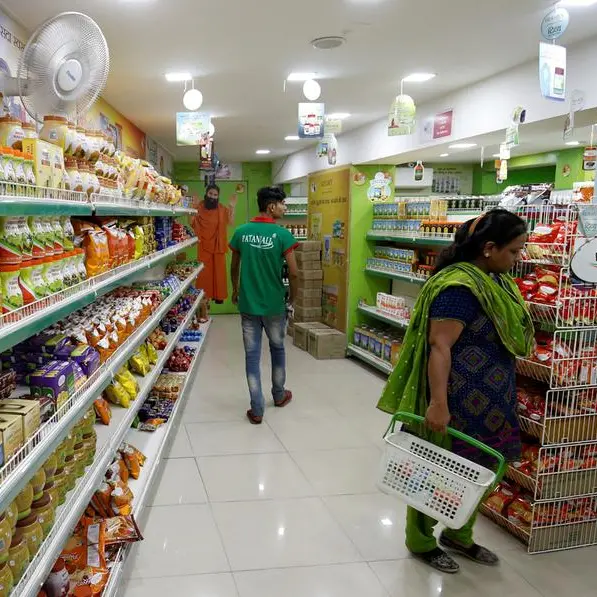
Demand from major gold markets China and India has also been strong, despite a weakening business environment in both countries. In India, gold prices touched INR 30,000 per 10 grams, as a strong seasonal demand began, while retail Chinese demand has also seen robust growth.
The World Gold Council reported that demand in China was up 54% compared to a year ago; while in India, demand increased by 51% in the second quarter.
"There were also significant increases in demand for gold jewellery in other parts of the world: the Middle East region was up by 33%, and in Turkey demand grew by 38%," the council said.
In addition, central banks also expanded their gold reserves for the tenth consecutive month in July.
"Russian holdings, the seventh largest by country, gained about 6.3 metric tons to 1,002.8 tons. Kazakhstan's reserves rose 1.1 tons to about 132 tons, and Turkey boosted holdings by 22.5 tons to 464 tons," said Frank Holmes, CEO of U.S. Global Investors.
"Various nations added 534.6 tons to reserves last year, the most since 1964, and the World Gold Council expects that central banks may buy 350 additional tons this year."
SHORT-LIVED?
This jump in gold prices may be short-lived, as much of it is driven by geopolitical events.
Historically, oil and gold have been most sensitive to global crisis and the current tensions around Syria have raised both commodities higher than fundamentals warrant.
However, past behavior suggests such gyrations are often temporary.
"Over time the impact of such events on commodity prices has tended to be shorter in duration and less powerful in magnitude, particularly with respect to gold," said Michael Lewis, analyst at Deutsche Bank.
In addition, the Federal Reserve's monetary tightening is set to boost the American dollar - which is negative for gold.
"We would expect gold returns will be vulnerable in the event that the FOMC meeting triggers a further increase in US yields and a strengthening in the US dollar," adds Lewis.
SOUTH AFRICA STRIKE
Gold prices are also responding to an expected strike in South Africa's gold sector that could cost the country USD 35 million a day, according to South Africa's Chamber of Mines.
The country's labor unions and mining companies have been unable to agree on wage rates for months, and the standoff has hurt the economy.
The South African gold producers' original offered a 4% year-on-year increase, and have raised it twice since July to 6% year-on-year. But the labor unions have rejected the deal and are poised to launch a strike.
A prolonged strike could exacerbate the supply situation at a time when the global mining industry is retreating from major projects across the world.
"While mine production historically has been slow to react to changes in the price, the extent of the fall in the second quarter has elicited a swift response from gold producers," said the World Gold Council.
"Recent spending cuts and the closure of costly operations across the industry may start to have an impact on the supply pipeline by the end of this year."
Indeed, global gold supply fell 62.4 tons during the second half -- its lowest level in the first half since 2007, as lower prices dissuaded sellers and 'distress selling' in emerging markets fell.
"Recycling has generated, on average, 40% of total supply over the last five years. Supply from this sector, particularly in the developing markets, is highly price sensitive; as such, the immediate and notable contraction in the second quarter -
to 30% of total supply - was to be expected."
While supply-side issues may put a floor on prices, Barclays Capital says risk to gold remain skewed to the downside.
"Our model projects that gold will post a small uptick by the end of Q3 13 but face downward pressure in Q4, reaching an average of USD 1,294 per ounce for Q4 13 (USD31 per ounce below its earlier forecast)," Barclays said.
© alifarabia.com 2013