PHOTO
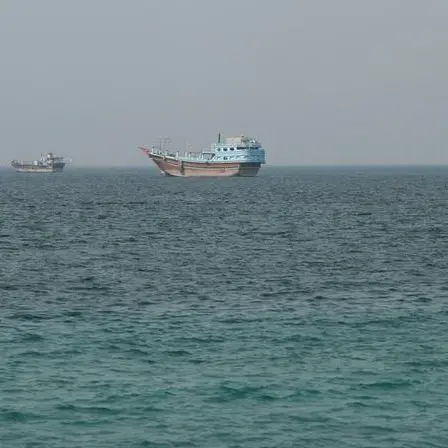
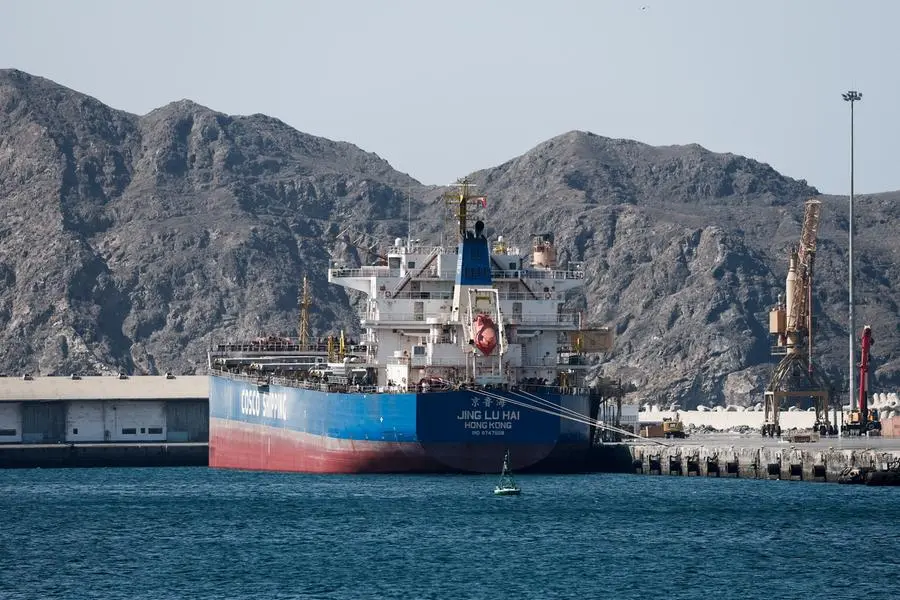
MUSCAT: The European Union is moving to deepen ties with Oman across energy, trade and regional security, positioning the Sultanate of Oman as a key partner in stabilising markets and advancing clean energy, as tensions around the Strait of Hormuz drive up global shipping and insurance costs.
Luigi Di Maio, EU Special Representative for the Gulf, told the Observer that Oman is increasingly viewed not as a traditional oil supplier, but as a strategic partner in diplomacy, energy transition and supply chain resilience.
The shift comes as disruptions linked to regional tensions push up the cost of transporting oil and gas, with knock-on effects across global trade.
“The situation in Hormuz is affecting insurance costs, the security of crews and ultimately the price of oil and gas,” Di Maio said, warning that market volatility is being driven as much by risk premiums as by supply itself.
Despite Oman’s role as a significant crude exporter, Di Maio said Europe’s interest is no longer centred on volumes.
“Most of Oman’s exports are not directed to Europe,” he said. “We see Oman as a strategic partner — particularly for its diplomatic role and its multilateral approach.” That positioning has gained weight during the current crisis, with Oman’s role in regional dialogue and de-escalation increasingly seen in Europe as critical to maintaining stability in one of the world’s most important energy corridors.
HYDROGEN AND STANDARDS
Energy cooperation is shifting towards future fuels, with green hydrogen emerging as the central pillar of EU–Oman engagement.
European ports, industrial regions and energy firms are already working with Omani counterparts to build supply chains that could link Gulf production with European demand.
But Di Maio signalled that investment will depend less on capital and more on regulation.
“The more we align standards and certification mechanisms, the more the market will do the rest,” he said.
The comment underscores a key challenge for Oman’s hydrogen ambitions: global competitiveness will hinge on compatibility with European regulatory frameworks, not just production capacity.
The current conflict is reinforcing a broader shift in how both Europe and Gulf states approach energy security.
“We need to secure maritime routes and ensure freedom of navigation,” Di Maio said. “At the same time, we must continue diversifying the energy mix.” For Europe, which has already diversified supply sources following the Ukraine war, the latest shock highlights continued exposure to global price swings driven by geopolitical risk.
For Gulf producers, including Oman, the challenge lies in safeguarding export routes while adapting to a more complex and fragmented energy landscape.
The EU is now working towards a comprehensive strategic partnership agreement with Oman, expected to cover political cooperation, trade, energy and investment.
Engagement is also expanding through education and mobility programmes, alongside a steady rise in high-level diplomatic exchanges between Europe and the Gulf.
As global uncertainty deepens, Di Maio said partnerships with countries able to combine stability, diplomacy and economic openness will become increasingly valuable.
“In a more complex world, partners like Oman are essential,” he said.
2026 © All right reserved for Oman Establishment for Press, Publication and Advertising (OEPPA) Provided by SyndiGate Media Inc. (Syndigate.info).