Thursday, Apr 21, 2011
By Javier E. David
Of DOW JONES NEWSWIRES
NEW YORK (Dow Jones)--The dollar fell to multi-year lows against most major currencies Thursday, undermined by an unpalatable mix of loose U.S. monetary policy and a fiscal imbalance that made investors reluctant to hold the battered greenback.
Reverberations from Standard & Poor's downward revision on Monday of the U.S. government's ratings outlook continued to dominate market sentiment. Investors' antipathy toward the U.S. currency intensified after S&P warned that the U.S. could lose its coveted AAA-rating.
But the primary negative for the dollar has been the Federal Reserve's loose monetary policy. In a market where investors are gravitating to higher-yielding assets, the dollar has been jettisoned by traders who appear more comfortable holding euros--even though Europe is struggling to contain a debt crisis that has raged on for nearly two years.
"The driver is (U.S.) monetary policy and the subtext is fiscal policy. We know there's a train-wreck coming and it makes people uneasy," said Andrew Busch, global currency strategist at BMO Capital Markets.
"The main driver is interest rate differentials, and the glaring fact is that the Fed remains on hold with extremely easy monetary policy...while other nations raise interest rates."
Against a basket of major currencies, the dollar tumbled to its weakest trough since August 2008. The ICE Dollar Index fell as low as 73.735 before recovering slightly to change hands around 73.930. The dollar plunged to a record low against the Swiss franc at CHF87.81.
The euro rejected a new 15-month high against the dollar at $1.4649, edging lower in choppy U.S. trading to change hands around $1.4586. The British pound also traded at its highest level since December 2009 against the greenback at $1.6571.
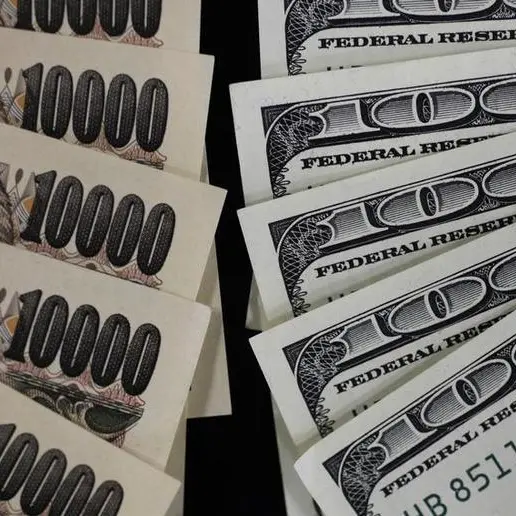
Against a broadly stronger yen, the dollar fell to its lowest in nearly a month around Y81.61, sharply weaker than Wednesday's close at Y82.55. The euro bought Y119.34, down from the previous session's close at Y119.88.
In an environment where investors' ardor for riskier assets has continued unabated, there are signs that at least some investors see risks ahead. The safe-haven Swiss franc is soaring, as is the price of gold--traditionally a safe-haven for nervous buyers.
Another harbinger of investors' nervousness can also be seen in the head-scratching behavior of the yen. Although Japan is beset by the hydra-headed crises of natural disaster and a nuclear meltdown, the Japanese currency has strengthened as risk-averse investors unwind "carry-trades" that use the low-yielding yen to invest in riskier asset classes.
The yen is also a favored safe-harbor currency, given Japan's huge trade surplus and low external funding needs.
Yen strength "at this point is more of a case of broad dollar weakness that's spilled over into the euro/yen cross," said Joe Manimbo, senior market analyst at Travelex Global Business Payments. However, any time you see any type of abrupt movements, that tends to spark a knee-jerk retreat" from carry-trades, he added.
Although traders need little excuse to sell dollars these days, the bad news for the dollar mounted after U.S. data fell short of market expectations. Weekly jobless claims fell by 13,000 to a seasonally adjusted 403,000 in the week ended April 16, and the Philadelphia Fed Index of business activity dropped to 18.5 in April from 43.4 in March.
-By Javier E. David, Dow Jones Newswires; 212-416-4564; javier.david@dowjones.com
(END) Dow Jones Newswires
April 21, 2011 12:08 ET (16:08 GMT)