PHOTO
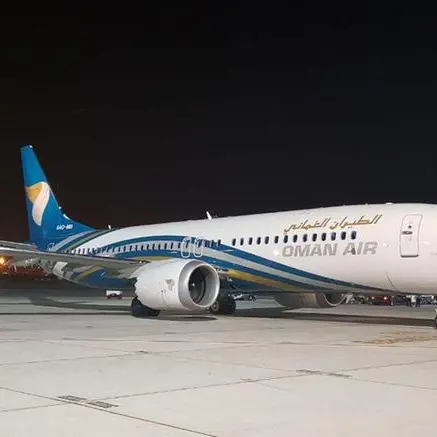
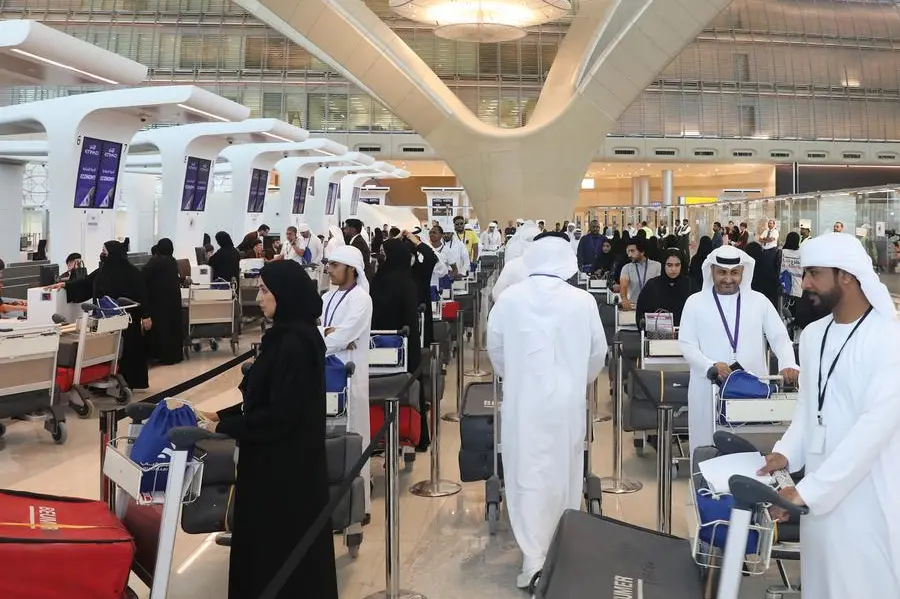
There are growing concerns over political instability and wars and its impact on the Midde East’s aviation sector, Willie Walsh, the Director General of IATA said, stopping short of mentioning the ongoing conflict between Israel and Hamas.
“Despite the good news of the continuing recovery, there are concerns on the horizon over the impact of political instability and wars,” Walsh said the 56th Annual General Meeting of the Arab Air Carriers’ Organization (AACO) in Riyadh.
“This is a troubling time for all of us and I’m sure, like me, you hope for a more peaceful and prosperous world. But as we watch what’s happening in this region and in other regions around the world, as business leaders, we must be ready to guide our people and our companies through the turbulence and continue to work to secure our future by addressing key issues,” he added.
The ongoing regional conflict has resulted in the death of 8,525 Palestinians, including 3,542 children who were killed in Israeli strikes on Gaza, according to latest figures by Reuters. The Hamas attack on southern Israel has also resulted in the death of 300 soldiers and some 1,100 civilians, Israeli figures say.
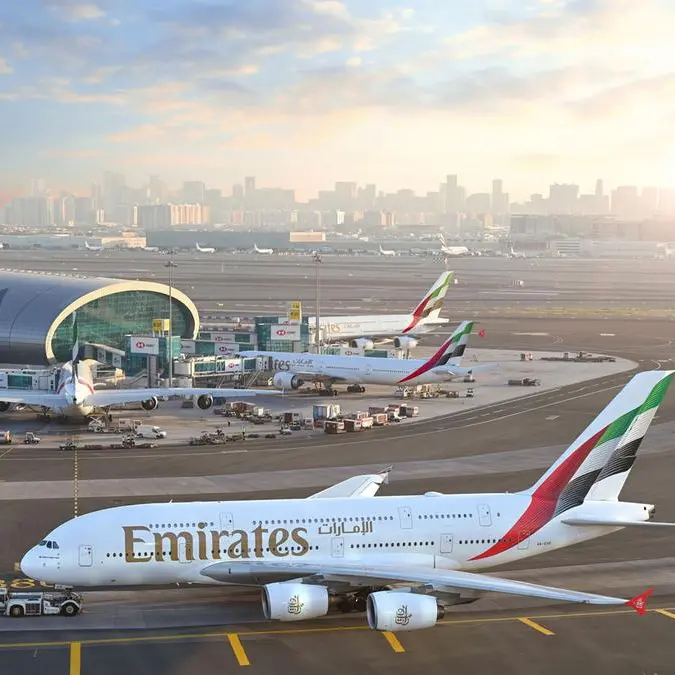
Following the escalation, regional carriers Emirates, flydubai and Etihad Airways have cancelled multiple flights to Tel Aviv over safety concerns in October. As it stands, Emirates has suspended flights to the Israeli capital until November 30, with flydubai limiting operations and Etihad resuming services.
Rise of Saudi Arabia
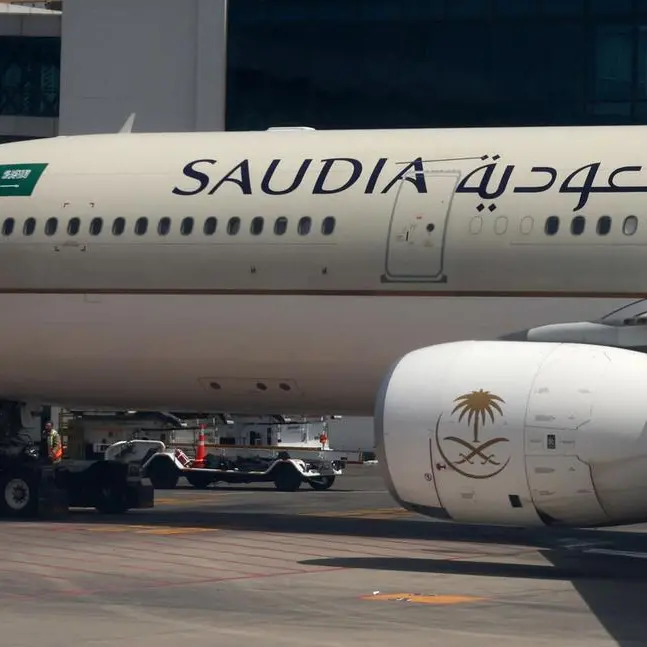
During his address, Walsh also acknowledged Saudi Arabia’s new aviation strategy which aims to raise the kingdom’s air transport sector with $100 billion into a global passenger and freight hub, which includes the launch of a new airline, Riyadh Air.
We are also working with AACO on passenger rights. Several of the region’s governments are looking into passenger rights regulations. We want to make sure that they understand the potential pitfalls of even the most best-intentioned regulatory efforts in this area.
“GACA’s (Gulf Authority of Civil Aviation – Saudi Arabia) revision of its charging scheme, to make KSA’s airports more competitive in the region is good news. As is its establishment of an independent economic regulatory framework. KSA is the first country in the MENA region do this, we encourage other States to follow,” Walsh said.
However, the IATA chief also flagged the issue of passenger rights as the region’s airports gain more independence, saying: “Several of the region’s governments are looking into passenger rights regulations. We want to make sure that they understand the potential pitfalls of even the most best-intentioned regulatory efforts in this area.”
He added that it was important for regional governments to understand the mistakes made by Europe and insist on proportionality.
(Writing by Bindu Rai, editing by Seban Scaria)