PHOTO
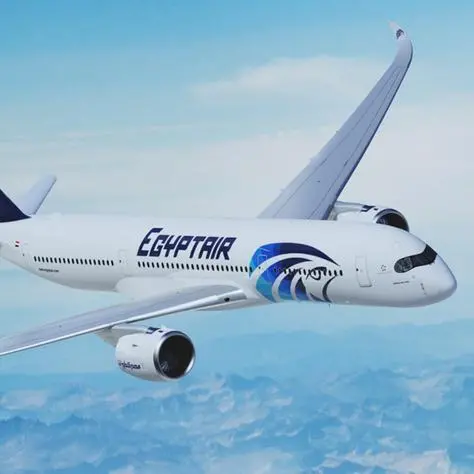
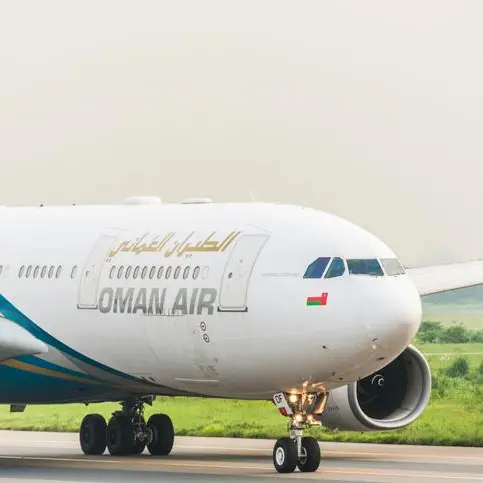
Middle Eastern carriers posted a 22.6% year-on-year increase in traffic in July, indicating that the recovery of travel demand has continued. However, the number was still 4.2% below pre-Covid levels, according to data released by the International Air Transport Association (IATA).
Capacity rose 22.1% and load factor climbed 0.3 percentage points to 82.6%.
Globally, revenue passenger-kilometres (RPKs) increased 26.2% year-on-year in July, reaching 95.6% of the traffic numbers seen in 2019. According to IATA, this growth aligned with the steady recovery trend observed in the industry over the past seven months.
Passenger load factors approached the levels achieved in 2019, reaching an industry-wide average of 85.2%, only 0.4 percentage points away from full recovery.
“Planes were full during July as people continue to travel in ever greater numbers. Importantly, forward ticket sales indicate that traveller confidence remains high. And there is every reason to be optimistic about the continuing recovery,” said Willie Walsh, IATA’s Director General, in a statement.
Asia-Pacific airlines continued to lead the regions, recording a 105.8% increase in July 2023 traffic compared to July 2022. Capacity climbed 96.2% and the load factor increased by 3.9 percentage points to 84.5%.
African airlines saw a 25.6% traffic increase in July 2023 versus a year ago, the second highest percentage gain among the regions.
Earlier in May, IATA had upgraded its outlook for 2023, stating airline industry net profits are expected to reach $9.8 billion in 2023, which was more than double the previous forecast of $4.7 billion (December 2022).
Some 4.35 billion people are expected to travel in 2023, which is closing in on the 4.54 billion who flew in 2019.
(Writing by Bindu Rai, editing by Seban Scaria)