PHOTO
Seventy percent of the UAE’s jet fuel needs could be sourced from power-to-liquid by 2050, according to a Boeing representative, based on the trajectory of renewable electricity and the capability to create the synthetically produced liquid hydrocarbon.
As the world races against the clock to achieve net zero targets by 2050, the aviation industry is also implementing strategies that will reduce their carbon footprint.
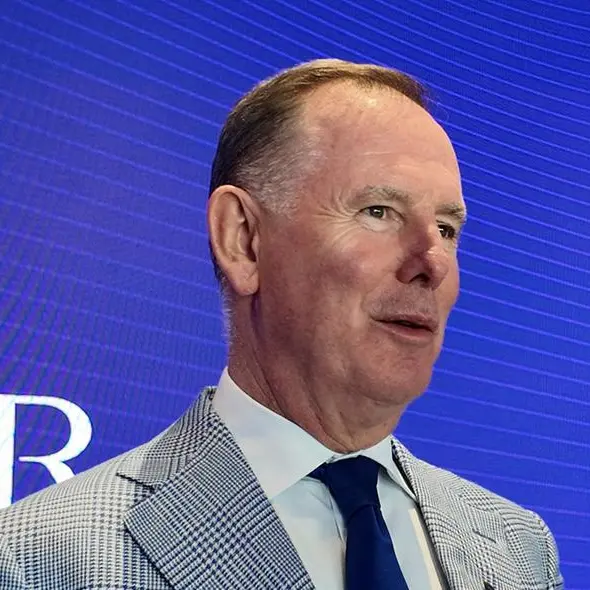
Speaking at the ‘Net-Zero Future of the Aviation Industry’ panel at the Arabian Travel Market, Brian Moran, Vice President, Global Sustainability Policy & Partnerships at Boeing, spoke about adopting a four-pronged strategy to reduce carbon emissions, “which starts and ends with fleet renewal.”
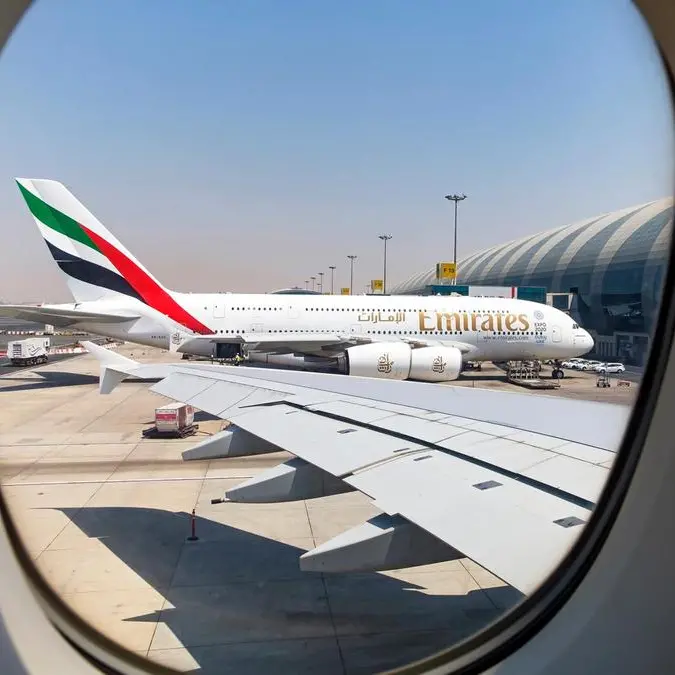
“New planes provide significant efficiency gains, with each generation reducing fuel use and emissions anywhere between 15% and 25%,” Moran continued, citing the Emirates order book, which include the much-delayed but energy-efficient 777-9 aircraft, along with Etihad Airways’ new Dreamliner, which was unveiled yesterday at the ATM and has been designed with lighter seats in the economy class cabin to provide more fuel efficiency for the aircraft.
Yvonne Moynihan, Chief Corporate & ESG Officer at Wizz Air, also spoke about how the ultra-low-cost carrier has achieved the ‘lowest carbon emissions per passenger kilometre in Europe’ through a three-pronged strategy and has pledged to further reduce emissions by 25% by 2030, in comparison to 2019 levels.
“We are also focused on fleet renewal with the Airbus A321neo aircraft, which offers a 50% reduction in noise footprint, a 20% reduction in fuel consumption and a 50% reduction in nitrogen oxide emissions compared to earlier aircraft models,” she stated, adding that the airline has also signed an MoU with Airbus to explore the potential of highly efficient, ultra-low-cost hydrogen-powered operations as part of its mid- to long-term strategy.
Meanwhile, people like Dave Rouse, founder and CEO of CarbonClick, are working with major airlines around the world, including Etihad, to create a more transparent offsetting programme that shows accountability for customer payments.
“What we focus on is carbon offset, whereby customers have the power to offset their own flight, be it through payment, loyalty points or a rewards programme,” Rouse said, adding that the goal was adding transparency about how the customer’s money is utilised.
While the roadmap to 2050 has numerous challenges, according to industry experts, the biggest hurdle is the short-term availability of sustainable aviation fuel and the cost structure, as it costs nearly five times more than jet fuel, according to Moynihan.
“And while some challenges may take longer to overcome, there is still low-hanging fruit out there that airlines are not tackling,” Rouse added, stating that the aviation industry and its partners needed to work on a government level to achieve more efficiency, either by shorter flight paths or taxis. “The idea is to work towards a common goal and to work together to make it happen.”
(Reporting by Bindu Rai; editing by Seban Scaria)