PHOTO
Players in Africa’s aviation sector are pushing for joint venture arrangements and other strategic partnerships with Turkish Airlines, as they eye capital injection from Ankara’s Wealth Fund for long-term financing that will power growth without pressuring struggling carriers for quick returns.
The Türkiye Wealth Fund (TWF), which has $224.04 billion in assets, as of its latest filings, holds the single largest stake -- 49.12 percent -- in Turkish Airlines.
Speaking at the fifth Türkiye-Africa Business and Economic Forum in Istanbul, the stakeholders noted that many African airlines are currently grappling with unpredictable funding due to fiscal constraints and reliance on short-term commercial bank funding.
“They don’t have instruments designed for long-term financing, yet what aviation needs is long-term liabilities. There is a need to have asset management firms in both Turkiye and Africa.”Prof Linjap said that the rollout of the African Continental Free Trade Area (AfCFTA) and the quest for deeper intra-continental trade mean that the continent’s aviation sector will face growing demand for expansion over the next decade, and require capital markets-led financing to meet the demands.
Strategic investors
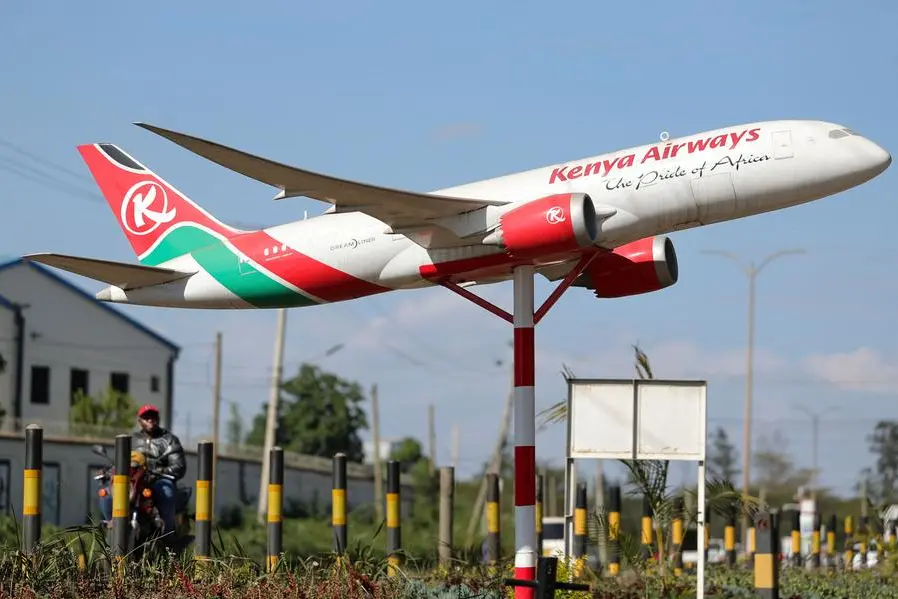
Major airlines in Africa, including Kenya Airways and South African Airways, are currently on the hunt for strategic investors to infuse fresh capital and turn around their fortunes.
In its latest filings, South African Airways reported a loss of $20.33 million for the full year 2023/24, while Kenya Airways reported a loss of $96.98 million in the first half of 2025.
African governments are advised to pursue strategic alliances with the world’s leading airlines to help de-risk investment in the continent’s aviation sector and crowd in more private capital to finance growth and expansion.“With that de-risking, dormant and untapped capital will then find opportunities in Africa’s aviation sector attractive,” said former Air Seychelles chief financial officer Mahmood Niazi Hoolash.
The AU wants governments to rethink individual bilateral aviation agreements entered with non-African countries to create an environment that allows the Single African Air Transport Market to take effect.“One of things we will need to under the Singe African Air Transport Market is the ensure that private capital is injected into the aviation sector. The problem is that Africa currently has several bilateral aviation agreements, which is not correct. The reason why countries don’t want to depart from these bilateral agreements is that they risk losing money, including parking fees and servicing fees,” Prof Linjap said.
© Copyright 2022 Nation Media Group. All Rights Reserved. Provided by SyndiGate Media Inc. (Syndigate.info).