PHOTO
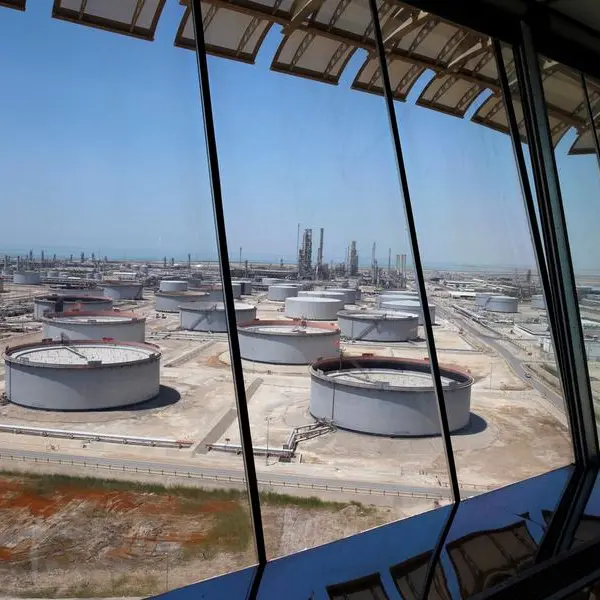
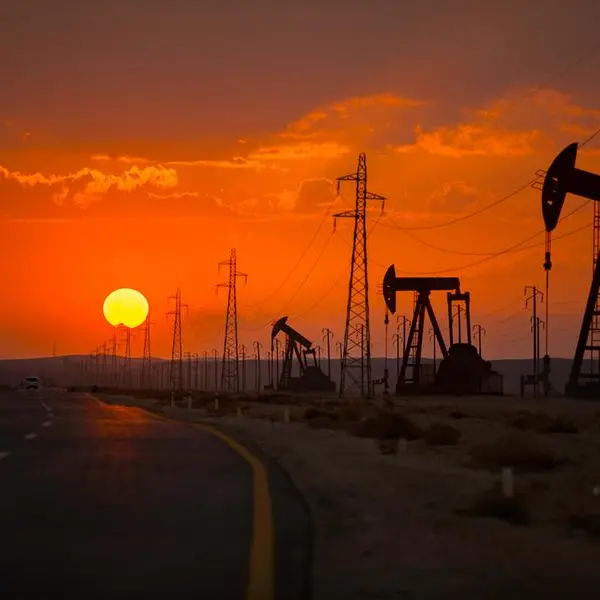
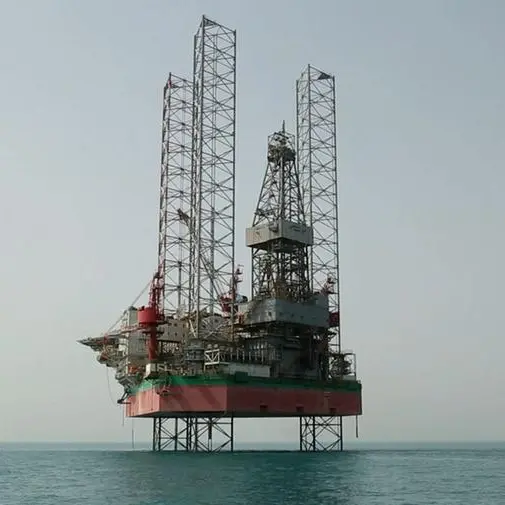
US oil majors are flocking back to Iraq just months after they decided to quit the OPEC producer and gave way to a swarm of Chinese companies.
Chinese oil developers now dominate Iraq’s oil industry after several of them were awarded mega projects within the country’s successive concession licensing rounds.
But analysts believe the return of such US oil heavyweights as ExxonMobil and Chevron to the world’s fifth largest holder of oil reserves has more to do with the attractiveness of Iraq’s new incentives than with any competition with the Chinese.
The withdrawal of ExxonMobil from one of Iraq’s largest oilfields last year and the decisions by other Western companies to scale down their operations in the country and the semi-autonomous Kurdistan region opened the door for Chinese companies.
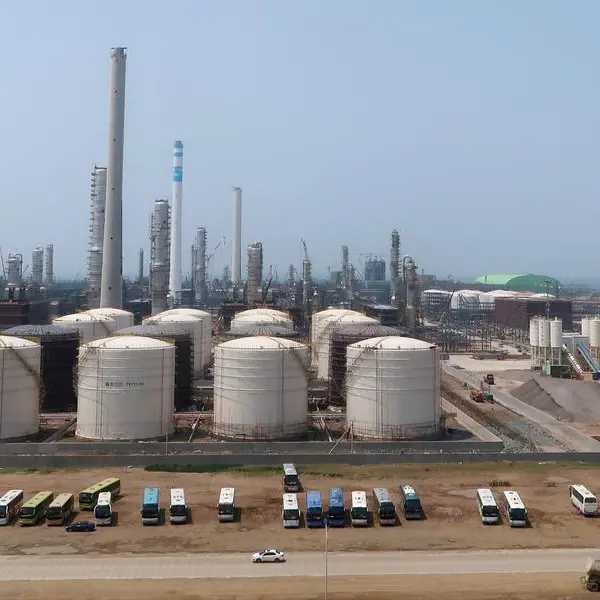
Chinese companies now control nearly two thirds of Iraq’s oil sector after ExxonMobil handed over its West Qurna 1 oilfield to Petrochina last year and six other Chinese companies were awarded new contracts on the same day in late 2024, according to Iraqi analysts.
“I don't think the reason US oil companies are returning to Iraq is because of Chinese dominance there,” said Walid Khaddouri, an Iraq energy specialist who had headed the information section at the Organisation of Arab Petroleum Exporting Countries (OAPEC).
“Usually, in such situations, such big companies consider the overall stability and security of the country. However, the most important consideration would be the fields they are awarded, and the terms of the contracts,” Khaddouri told Zawya Projects.
Khaddouri, who had written several books on Iraq’s oil industry, may be right. Last week, ExxonMobil signed an agreement with Iraq to develop its largest oilfield and one of the world’s biggest oil reservoirs.
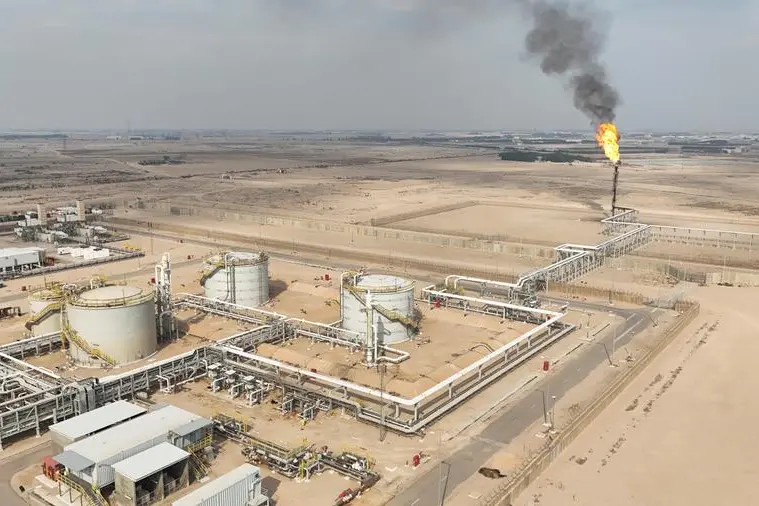
The field near the Iranian border in South Iraq is called Majnoun, Arabic for crazy. It was given that name because of its gigantic oil deposits of around 36 billion barrels in place, of which more than 12 billion barrels can be extracted with existing technology.
No details of the non-binding agreement were disclosed but Khaddouri said he believes it includes attractive profit-sharing terms and perhaps lower taxes.
Tax reduction
Iraq, which sits atop the world’s fifth recoverable crude reserves, said last month it is planning to reduce taxes on oil companies operating in the country on the grounds existing tax laws have “scared off” many foreign operators.
Abdul Hussein Al-Ankabi, chairman of the supreme committee for tax reform (SCTR), described the taxation of oil companies as a “complicated issue” that requires a profound study before a modified tax is enforced.
“This is a principal and complex issue … the tax imposed on oil companies had in the past scared off some of them and forced others to consider exiting Iraq,” he said.
Al-Ankabi did not mention the current tax on oil firms or the new tax levels planned.
In 2010, Iraq’s cabinet approved a tax of 35 percent on all foreign oil companies awarded contracts in OPEC’s second-largest oil exporter.
Chevron deal
ExxonMobil’s deal with Iraq comes a few weeks after Baghdad inked an agreement with U.S. oil producer Chevron for the development of the southern Nassiriya oilfield and other producing fields in the Arab country.
In July, the US company KBR also announced it has secured a two-year renewal of its engineering, procurement, and construction management (EPCM) contract with Basra Oil Company (BOC) for Majnoon oilfield.
Over the past two years, Iraq has signed agreements with several other oil majors, reversing a long period during which they retreated from the country.
Improved contract terms have lured both France's TotalEnergies and UK oil major BP to sign new deals, with a combined investment of over $50 billion, experts said.
Capacity expansion
The return of US oil producers and a rush by Chinese companies to grab contracts in Iraq coincide with plans to expand the country’s crude output capacity.
The UK-based consultancy firm Wood Mackenzie said in a report this year that Iraq is the world's sixth biggest oil producer with a capacity of around five million barrels per day (bpd) underpinned by the development of giant and supergiant southern oil fields, including Rumaila, West Qurna 1, West Qurna 2, Zubair and Halfaya.
It said that Iraq has an abundance of low-cost oil, with estimated crude oil reserves of 145 billion barrels, noting that Baghdad’s target is to lift capacity to over six million bpd in 2028.
Analysts believe Iraq can easily achieve that target with the award of the giant Majnoon field as it has the potential to pump nearly 1.8 million bpd.
“I think the Americans are coming back to Iraq because they don’t want to miss the profitable terms and massive opportunities arising in the oil sector,” said Nabil Al-Marsoumi, a Basra University economics professor and author of several books on Iraq.
“But I believe handing over our oilfields to the foreigners will not achieve the higher national interests because it means a large part of Iraq’s revenues will go to foreign companies let alone Iraq cannot exceed its OPEC quota,” he added.
(Reporting by N Saeed; Editing by Anoop Menon)
Subscribe to our Projects' PULSE newsletter that brings you trustworthy news, updates and insights on project activities, developments, and partnerships across sectors in the Middle East and Africa.