PHOTO
BRUSSELS - European Union leaders will attempt to find quick fixes to curb the jump in energy prices triggered by the Iran war when they meet for a summit on Thursday, but they have few easy options.
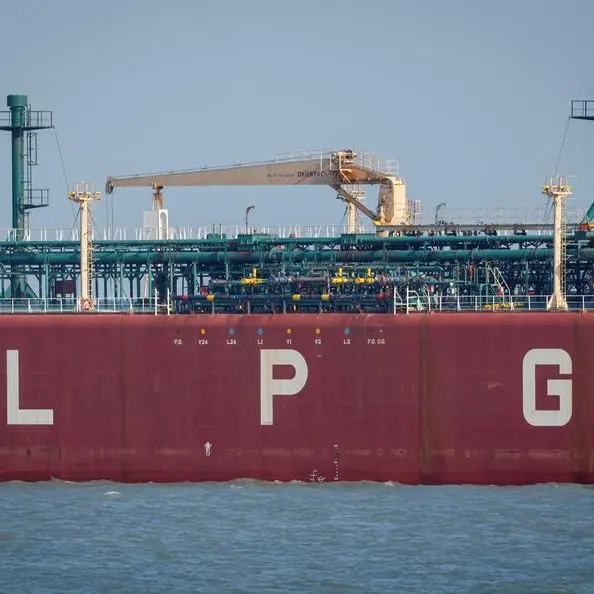
Europe's heavy reliance on energy imports means the continent is heavily exposed to surging prices caused by the closure of the Strait of Hormuz, through which some 20% of global oil and liquefied natural gas supplies normally pass.
European gas prices have increased by more than 60% since the U.S.-Israeli war on Iran began on February 28.
"This, once again, confirms the key strategy for the EU is to ensure the decarbonization of industries," Lithuanian Energy Minister Zygimantas Vaiciunas told Reuters, referring to Europe's plans to replace fossil fuels with locally-produced low-carbon energy sources over the coming years.
In the short term, however, "there is no single instrument or silver bullet that would easily cope with this challenge", he added.
Some governments are doubtful that the EU - whose 27 member states have vastly different energy mixes and national taxes on energy - can realistically offset a price spike resulting from the unprecedented disruption in global markets.
"We will not find the magic solution, unfortunately," one EU diplomat said.
'TARGETED TEMPORARY MEASURES'
Draft conclusions for the summit, seen by Reuters, said leaders would instruct the European Commission to "present without delay a toolbox of targeted temporary measures to address the recent spikes in the prices of imported fossil fuels".
European Commission President Ursula von der Leyen on Monday laid out options the EU executive is exploring. They omitted major EU interventions, instead promising tweaks to the bloc's emissions trading system and suggesting that governments cut national taxes or increase state aid for struggling industries.
None of the options is expected to dramatically cut prices while the Strait of Hormuz effectively remains shut.
Each has potential downsides. Allowing more state aid at the member state level could deepen divides between wealthy and poor countries, while cutting energy taxes is challenging for governments racing to increase public spending on defence.
Leaders are particularly split over how to approach the emissions trading system, the EU's most important climate change policy. Launched in 2005, the ETS forces power plants and industries to buy permits to cover CO2 emissions.
Von der Leyen said the Commission would adjust a reserve regulating the ETS's supply of emission permits to curb prices in the short term.
Ten EU leaders including Italy's Giorgia Meloni and Poland's Donald Tusk, demanded deeper changes on Wednesday, including more free CO2 permits for industry.
A second camp of countries, including Spain and the Netherlands, oppose weakening the system.
Leaders will wrangle over what instructions to hand to the Commission.
Their draft conclusions ask Brussels to bring forward a planned review of the ETS to July, "while preserving the essential role of the ETS in the climate and energy transition" - wording diplomats said not all countries supported.
The draft conclusions also set out multiple deadlines, many this year, for measures to boost the EU's competitiveness and help it close the gap with rivals - the U.S. and China - including an "EU Inc" plan presented on Wednesday to simplify rules on creating innovative startups.
(Reporting by Kate Abnett, Jan Strupcewski; additional reporting by Philip Blenkinsop, Lili Bayer Editing by Gareth Jones)