PHOTO
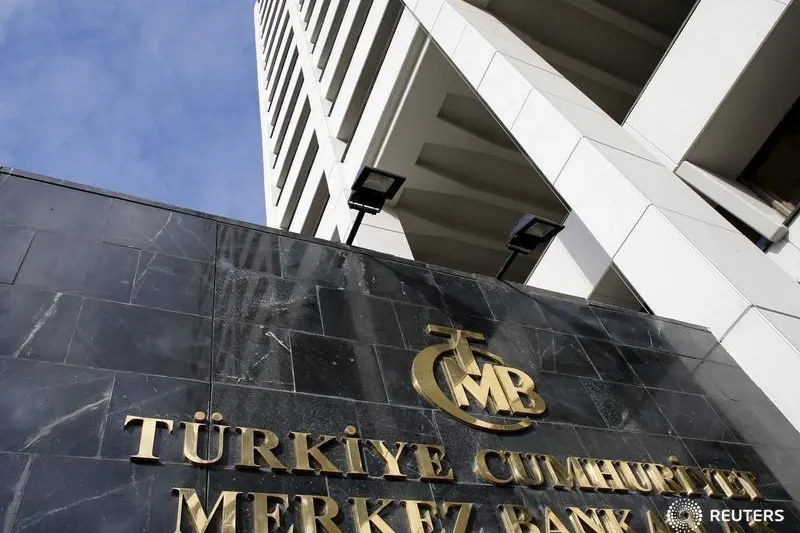
ISTANBUL - Turkey's central bank raised its end-2026 interim inflation target to 24% from 16%, Governor Fatih Karahan said on Thursday, forecasting that the short-term inflationary effects of the Iran war would remain "pronounced".
Presenting the central bank's quarterly inflation report in Istanbul, Karahan said the bank had also lifted its end-2027 interim inflation target to 15% from 9% and its end-2028 interim target at 9%.
The upward revisions came after the bank kept its key interest rate at 37% last month, holding steady for the second successive policy meeting despite some expectations for a tightening of policy.
"While the central question before us is how long the regional tensions and pressures on energy supply will persist, we assess that the related inflationary effects will remain pronounced in the short term," Karahan said.
How long the tension lasts is a critical risk factor for the inflation outlook, he said, adding there would be no compromise on the bank's determination to bring down inflation and that it would continue to use all available tools for disinflation.
MOVE AWAY FROM FORECAST BAND COMMUNICATION
Karahan said the war and its impact had prompted the bank to reconsider the communication of uncertainty around forecasts and it had decided that "moving away from 'forecast band communication' is an appropriate approach".
The bank forecast that inflation would be 26% by the end of 2026, 15% at end-2027 and 9% at end-2028 before stabilising at the medium-term target of 5%.
In its previous quarterly inflation report in February, the bank had raised its year-end inflation forecast band by two percentage points to 15-21%.
The governor said the bank needed to focus on short-term inflationary impacts for now to hinder a deterioration in the inflation outlook. The bank has flexibility with its rate corridor when risks are on the upside, with all options on the table in the period ahead, he added.
The war-related surge in energy prices has rattled countries like Turkey that rely on energy imports.Monthly inflation surged to 4.18% in April and 32.37% on the year.
As annual inflation slowed from levels above 40% at the start of last year to 30.65% in January, the central bank slashed its key rate by 900 basis points in five steps since last summer.
It then made a smaller-than-expected 100-basis point cut to 37% in January and has held rates steady in subsequent meetings.
(Reporting by Nevzat Devranoglu, Ezgi Erkoyun and Ebru Tuncay; Writing by Daren Butler; Editing by Huseyin Hayatsever and Gareth Jones)