PHOTO
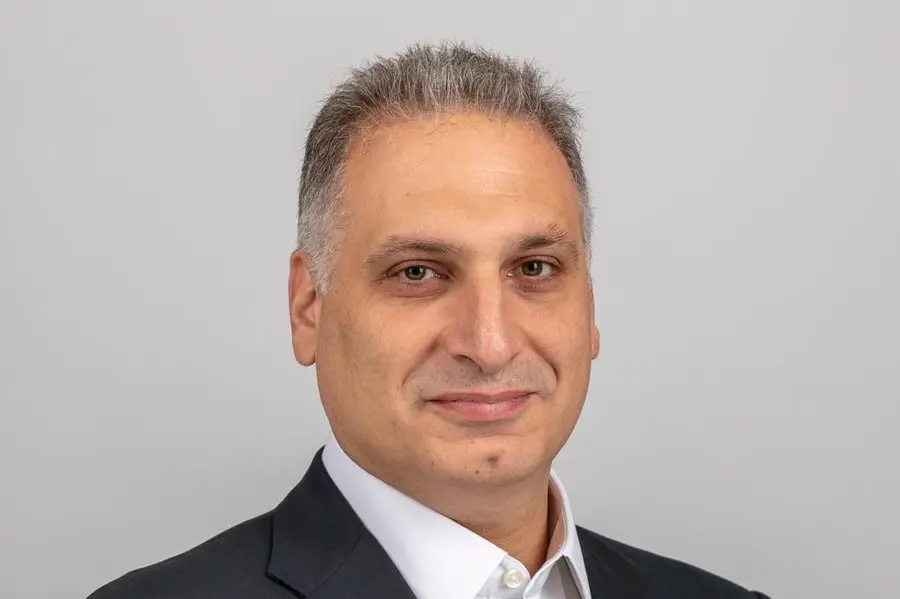
Doha, Qatar: Advisor to the Prime Minister and Official Spokesperson for the Ministry of Foreign Affairs Dr. Majed bin Mohammed Al Ansari affirmed that stopping the Iranian attacks on countries in the region does not require investigative committees or the formation of joint teams, but rather a clear decision by the attacking party to halt its assaults on states that have not targeted it.
Al-Ansari explained that Iran is attacking Gulf states without any justification, emphasizing that it must stop these attacks because the Gulf countries are not part of the conflict. He added that the continued Iranian attacks have led to the suspension of gas and petrochemical production in Qatar.
He pointed out that any threat to maritime navigation and its freedom represents a threat to everyone, highlighting the need to de-escalate and halt the attacks in order to reach a diplomatic solution to the crisis.
The Foreign Ministry spokesperson said that Iran “is attacking Gulf states without any reason and must stop its attacks because we are outside the conflict,” stressing that “our current focus is on defending our homelands and protecting them from Iranian aggression.”
He added that communications are still ongoing with Gulf countries to ensure de-escalation and to confront Iran’s attacks. Al-Ansari also affirmed that the Qatar Armed Forces have made significant efforts over the past few days, noting that Qatar’s strategic reserves of goods have not yet been used.
He further stated that Israeli violations in Lebanon, Gaza Strip, and the West Bank will not stop as long as the Iranian attacks continue.
Commenting on statements by Iranian Foreign Minister Abbas Araghchi, Dr. Al Ansari said: “The matter is very simple. What is required is to stop the attacks on countries that have not targeted Iran,” stressing that Qatar, along with the rest of the countries in the region, has distanced itself from the war and escalation since the first day.
During the Ministry of Foreign Affairs’ weekly press briefing yesterday, Al Ansari added that Qatar continues to be targeted, noting that on Sunday the country was attacked by five drones. He affirmed that Qatar will continue to defend itself and reserves the right to respond to these attacks.
He said that in Qatar, we have observed that over the past two days, there have been fewer warnings due to the absence of a direct or visible threat. "However, this in no way means that the escalation has decreased or that the danger has been diminished. This is perhaps a message to all our fellow citizens, residents, and those living in Qatar today: the official authorities have taken all necessary measures to protect their security.
"But this requires the cooperation and collective effort of everyone. Here, we also wish to sincerely commend the significant cooperation and solidarity among the various segments of society in responding to warnings, heeding alerts, and engaging positively with official information and statements issued by the authorities," he added.
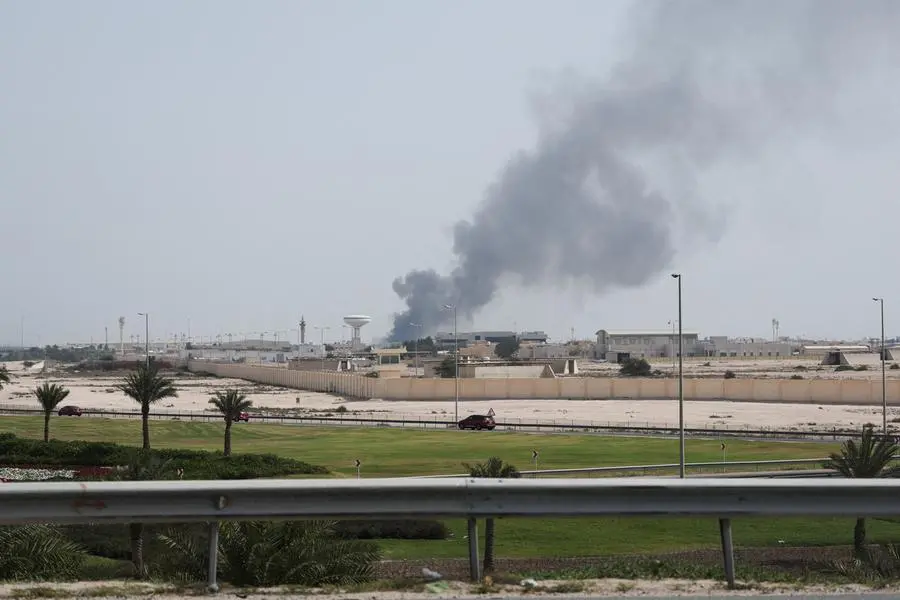
He explained that Iranian strikes in recent days have targeted civilian and vital facilities in Qatar, including residential areas and facilities in Ras Laffan, Mesaieed, and Hamad International Airport, in addition to threats published by unofficial Iranian media outlets targeting specific residential areas within the country.
The Foreign Ministry spokesperson said that the evacuation operation in parts of Doha last Saturday took place after an Iranian missile was launched toward a residential complex, which was intercepted.
Following the interception, he said, all necessary measures were taken to ensure the safety and protection of citizens and residents in Qatar, stressing that Iranian attacks on civilian facilities in the country have not stopped.
Al Ansari praised the efforts of the Qatari Armed Forces, noting that Qatari soldiers have demonstrated high competence and the ability to deal with various challenges. He said the armed forces have reached the highest levels of readiness and preparedness, achieving a deterrence level that has protected the country from significant damage resulting from these attacks. He added that the interception rate of Iranian attacks has exceeded 90 percent.
Regarding diplomatic efforts, Al Ansari noted that consultations held Sunday with the Egyptian side focused on overall coordination between Qatar and the Arab Republic of Egypt, as well as broader Arab coordination in light of regional developments.
He also stated that communications among officials of the Gulf Cooperation Council (GCC) countries continue on an almost daily basis at various levels, whether among leaders or foreign ministers, emphasizing that the Gulf states are speaking with one voice in rejecting Iranian attacks and calling for de-escalation.
He said this unified Gulf stance is also reflected in communications with international partners, including the United States and European countries, aimed at strengthening regional security and ensuring stability in the region.
Al Ansari emphasized that Gulf diplomacy is highly active at this stage, seeking to reduce escalation and reach diplomatic solutions to the crisis.
He stressed that these efforts do not mean accepting or tolerating Iranian attacks, but are accompanied by defensive coordination and clear messages to the international community about the seriousness of these assaults.
He further noted that in recent days Prime Minister and Minister of Foreign Affairs H E Sheikh Mohammed bin Abdulrahman bin Jassim Al Thani received German Foreign Minister Johann Wadephul, with whom he reviewed the developments of the military escalation in the region and its serious repercussions for regional security and stability. During the meeting, the Prime Minister renewed Qatar’s condemnation of the Iranian attacks on the country and warned against the irresponsible targeting of vital infrastructure, especially those related to water, food, and energy facilities.
Al Ansari added that Minister of State for Foreign Affairs H E Sultan bin Saad Al Muraikhi participated via videoconference in both the joint ministerial meeting between the GCC foreign ministers and the United Kingdom, and the joint ministerial meeting between the GCC foreign ministers and Morocco, Egypt, and Jordan.
He explained that in light of recent developments, Qatar issued several statements, including welcoming last Wednesday the UN Security Council’s adoption of Resolution 2817, which condemns Iranian attacks on countries in the region.
Qatar also condemned on Thursday the Iranian attack on Port of Salalah in Oman, describing it as a hostile act and a violation of international law. On the same day, Qatar condemned Israeli attacks on southern Lebanon, calling them a violation of international law and UN Security Council Resolution 1701. On Saturday, Qatar also condemned the attack on the UAE Consulate General in the Kurdistan Region of Iraq, describing the targeting as a violation of the Vienna Convention.
On the humanitarian front, the Foreign Ministry spokesperson said that through the Qatar Fund for Development, Qatar announced last Thursday the provision of urgent humanitarian support to those affected in Lebanon amid the sharp military escalation and ongoing Israeli attacks, which have caused large-scale internal displacement.
The emergency relief intervention is being implemented through Qatar Charity and the Qatar Red Crescent, aiming to provide urgent humanitarian assistance to more than 40,500 displaced and affected families. The support includes the distribution of over 12,000 food baskets in addition to essential non-food items. He added that this assistance comes within the framework of Qatar’s ongoing commitment to supporting humanitarian and relief efforts and assisting people in brotherly and friendly countries, including Lebanon.
© Dar Al Sharq Press, Printing and Distribution. All Rights Reserved. Provided by SyndiGate Media Inc. (Syndigate.info).