PHOTO
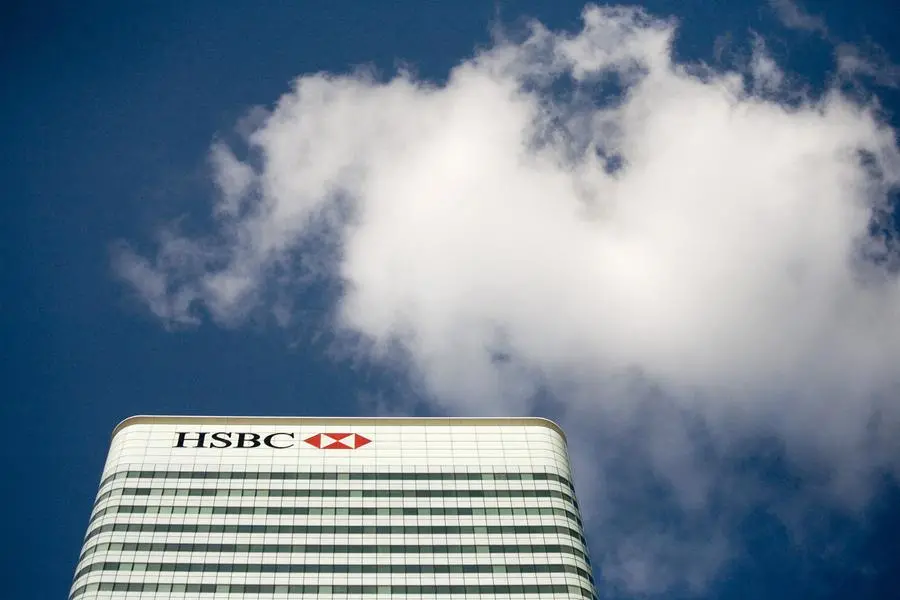
HONG KONG: HSBC Holdings Chair Brendan Nelson said on Tuesday that a Middle East peace deal was essential to ensure a substantial resumption of global energy flows, withoil-driven inflation looming as a major risk to the world economy.
Nelson, speaking at the HSBC Global Investment Summit in Hong Kong, added that as long as uncertainty persists, energy prices would remain elevated.
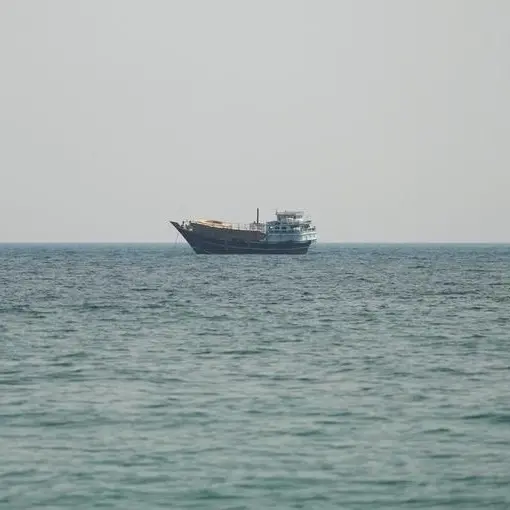
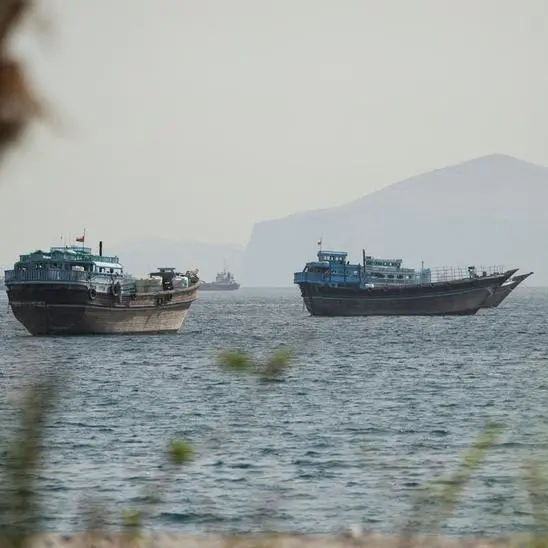
Oil prices have surged since the Iran war began, and prices remain close to $100 a barrel as investors position themselves for prolonged tensions over the crucial Strait of Hormuz, through which a fifth of global oil and gas typically passes.
Nelson warned that current global growth, trade and inflation projections should be "approached with considerable caution" given that the impacts of the Iran conflict are yet to be fully understood.
"The longer the disruption continues, the more the indirect effects from higher energy costs will lift inflation and depress growth," Nelson said.
With a swift reopening of the strait looking unlikely, Nelson said he expected interest rates to be held steady in the U.S., Europe and Britain this year as a rise in short- and long-term market rates had tightened financial conditions.
The U.S. Navy began a blockade of the strait on Monday, following the breakdown of weekend talks to end the six-week-long war.
ANZ analysts estimate about 10 million barrels per day of crude supply have been effectively removed from the market, adding that a prolonged U.S. blockade could curb an additional 3 million to 4 million barrels per day. (Reporting by Selena Li in Hong Kong; Writing by Scott Murdoch; Editing by Christian Schmollinger and Kevin Buckland)