PHOTO
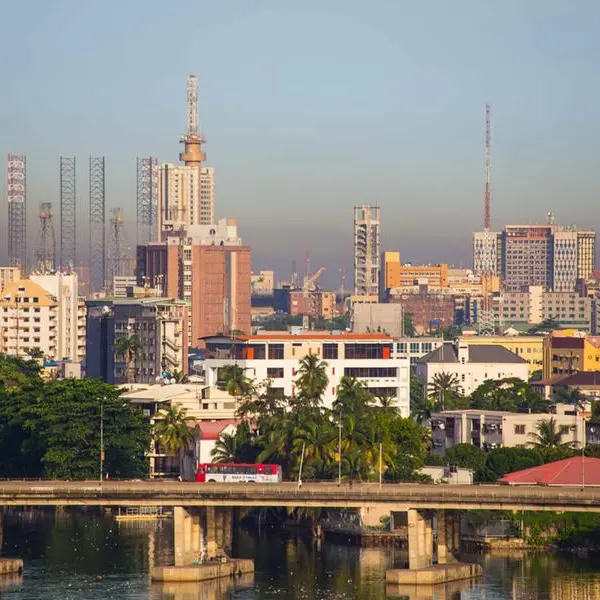
Driving across most East African cities and towns is a nightmare. Dysfunctional traffic lights, poor driving habits and badly designed roads among other factors make for endless gridlocks.
The long traffic jams in Nairobi, Kampala, Dar es Salaam and Kinshasa eat into productivity and contribute to fatigue, anxiety and mental stress. This pressing problem cannot, unfortunately, be resolved overnight. Neither can it be ignored, because it is clearly unsustainable. The numbers that tell the traffic gridlock story are mind boggling.
A study by the UN Habitat estimates that African cities lose up to $340 billion annually to traffic jams, equivalent to a tenth of the continent’s GPD. The study estimates that Nairobi alone loses some $600,000 per day in work hours, pollution and wasted fuel in traffic jams.
According to studies by the World Bank, the average commuter in Kampala loses about one-and-a-half hours every day stuck in traffic jams, which translates to about 52 working days or nearly two months lost in a year.
The World Bank studies show traffic jams could be costing Uganda more than $800 million annually in lost GDP, reduced productivity, fuel waste and time lost.
It is not in doubt that unless the congestion problem is addressed urgently, African cities will continue to lose competitiveness. The most obvious problem when you visit nearly all African cities is the lack of clean, reliable public transport systems.
The current infrastructure is woefully inadequate, and can hardly keep up with the rapidly growing populations. Leaving the public transport sector in the hands of profit-centered buses and vans has made Nairobi a mess.
The mostly old, rickety and dirty public service vehicles break all the rules in the rush to maximise on profits. The Kenyan capital with a population of five million has only a handful functional traffic lights and could be put to shame even by small cities of less that one million population in the developed world.
Motorbikes are a menace that has left a trail of disorder, horrific injuries and death in nearly all East African cities. Kigali, though, is an exception. Most traffic lights here work, while motorists are disciplined, making driving easier and safer. The city however still suffers heavy rush hour traffic.
The starting point in addressing the traffic problem is having a comprehensive public transport system complemented by high-capacity buses, light rail and subways.
The only way to convince people to avoid using personal vehicles for their daily commutes to work is by fixing public transport.
When people know that they can expect clean, on-schedule, safe and comfortable public transport they are less likely to buy or use personal cars regularly.
Development of the Nairobi Bus Rapid Transit system, for example, started in 2020 but by the 2022 election year it had died due to lack of funding.
The project still remains a pipe dream. Dar es Salaam has made some baby steps in trying to have an organised public transport but is not there yet.
To have order on the road the law and traffic regulations must be followed. Traffic police must also tame their appetite for bribes, as this undermines their authority to enforce the law. These are low-hanging fruits that could help to ease the chokehold on African cities, but long-term investments remain the only viable solution.
© Copyright 2026 Nation Media Group. All Rights Reserved. Provided by SyndiGate Media Inc. (Syndigate.info).