PHOTO
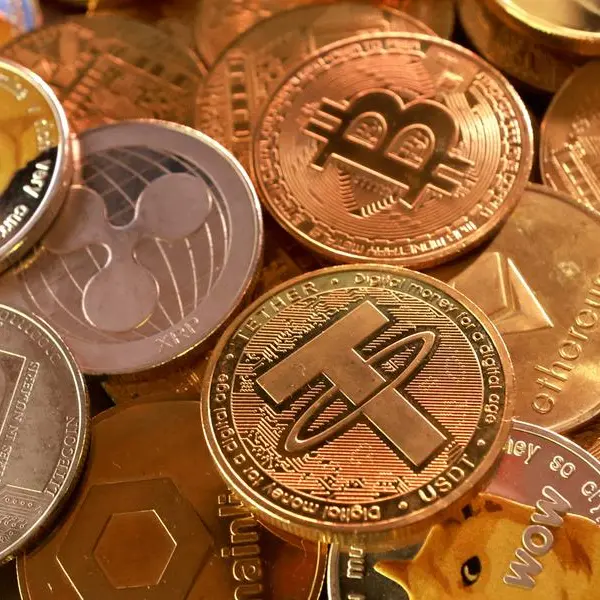
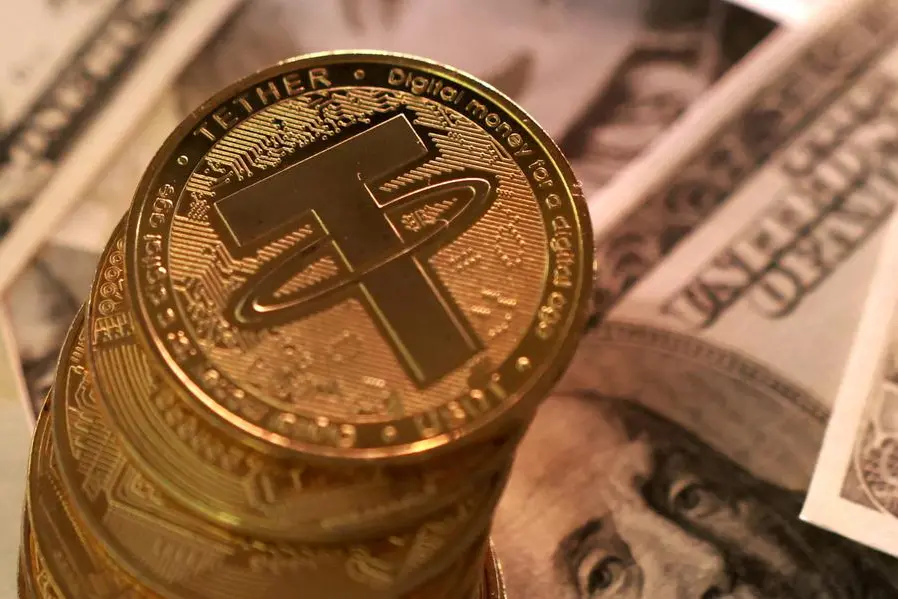
Tether, the world's biggest stablecoin issuer, plans to launch a crypto token representing the Georgian lari with the support of Georgia's government, the company said on Monday, in the latest sign of the country's pro-crypto approach.
Tether's new token is unusual in being launched by a private company in partnership with a government, although Tether did not detail the nature of the partnership, or whether what it called the "official" stablecoin amounted to a central bank digital currency.
Georgia's Prime Minister Irakli Kobakhidze, head of the central bank, Natia Turnava, and a member of parliament, Vakhtang Turnava, were quoted in Tether's statement expressing support for Tether and financial innovation more broadly, but did not refer to the token directly.
A government spokesperson directed Reuters to the member of parliament, who did not immediately respond to written questions about the government's involvement in the stablecoin. Georgia's central bank did not immediately respond to an emailed request for comment.
Tether said the token will be a "digital representation of the Georgian lari," called GELT, with details on its structure, rollout and implementation to be announced later. It aims to support cross-border commerce, the development of fintech and digital payments, Tether said.
Georgia, a South Caucasus country of 3.7 million, is among the world’s top miners of cryptocurrency. Tether said the launch is a result of the National Bank of Georgia's stablecoin rules making the country attractive to digital asset businesses.
Stablecoins are a type of cryptocurrency pegged to a fiat currency. They are mostly used in crypto trading, and not widely accepted as a means of payment.
The Bank for International Settlements has warned that privately-issued stablecoins pose a threat to financial stability and monetary sovereignty.
El Salvador-based Tether says it has nearly $190 billion of its dollar-pegged token in circulation. Its token pegged to the Mexican peso has less than $20 million worth in circulation and Tether announced it would wind down a token pegged to the offshore Chinese yuan due to low demand.
(Reporting by by Elizabeth Howcroft in Paris, additional reporting by Lucy Papachristou; Editing by Bernadette Baum)